Buying guides
Apollo Neuro for Sleep: Does the Vibration Actually Help You Fall Asleep? (2026 Honest Take)
Apollo Neuro for sleep, evaluated honestly. What Sleep mode actually does, what the evidence shows, and how it stacks up against Sensate, Muse S, and a $65 baseline.
“Transcutaneous vagus nerve stimulation has promising results across small studies, but the field needs larger, sham-controlled trials before any device should be sold as a depression or anxiety cure.”
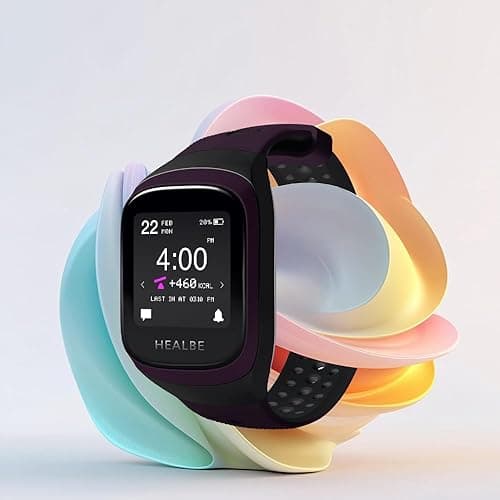
You can't fall asleep, or you wake at 3 a.m. and can't get back down, and somewhere on Instagram or in a Huberman clip you saw the Apollo Neuro wearable framed as a sleep tool. The pitch is clean: a small band on your wrist or ankle, a "Sleep" mode, gentle vibration that supposedly nudges your nervous system into the parasympathetic state your brain refuses to enter on its own. $350. Worth it?
We already published a general Apollo Neuro review covering stress, HRV, and overall value. This post is the sleep-only version — does Sleep mode actually shorten the time it takes you to fall asleep, is it worth wearing overnight, and is it better per dollar than the Sensate, the Muse S, the Pulsetto, or the unglamorous $40 white noise machine plus $25 sleep mask sitting next to it in your cart.
The short answer: Woo-Woo 2, modest effect for some sleepers, not a sleep cure
Woo-Woo 2 out of 5. Apollo's low-frequency vibration mechanism is plausible, the Sleep and Unwind modes are real and pleasant, and a subset of anxious or over-thinking sleepers report a genuine wind-down benefit. But Apollo's published sleep evidence is early, the samples are small, and a short-term HRV bump is not the same as a measurable change in sleep onset latency. At $350, it is not the best dollar-per-outcome buy for most sleep problems — but if your specific issue is anxious pre-sleep rumination and you already have decent sleep hygiene, it is defensible. If you're hunting for the Woo-Woo Meter rubric, that's the link.
What Apollo's Sleep and Unwind modes actually do
Apollo runs seven modes; for sleep, two matter. Unwind is a ~30-minute descending vibration pattern designed as a pre-bed wind-down — you start it after you've put your phone down, lie in bed, and let the band do its thing while you drift off. Sleep is a longer, lower-intensity overnight mode that can run for several hours and is meant to keep gentle vagal-afferent input going as you sleep.
You wear the band on your wrist or your ankle. Most overnight users converge on the ankle — less wrist movement, less chance the band catches on bedding. Sessions are controlled from the Apollo Health app; the device pairs over Bluetooth and you can schedule modes in advance. Battery life on continuous use is roughly six hours, which means an "all-night" wear is partly aspirational unless you stack a charge cycle into your routine.
The mechanism Apollo claims is that the low-frequency tactile input stimulates vagal afferents and shifts the autonomic nervous system toward parasympathetic dominance, which is the state your body needs to fall asleep. Mechanistically plausible — vagal tone and parasympathetic shift are real, well-described phenomena, and you can read the foundational HRV overview from Shaffer & Ginsberg if you want the biomarker background.
What the evidence actually says about vibration for sleep onset
"Transcutaneous vagus nerve stimulation has promising results across small studies, but the field needs larger, sham-controlled trials before any device should be sold as a depression or anxiety cure."
That editorial caveat is from the tVNS literature, but the same epistemic standard applies to infrasonic-vibration wearables. Apollo Health's published and preprint sleep data is mostly small-sample, often involves investigators with ties to the company, and measures HRV shifts or self-reported subjective sleep rather than objective sleep onset latency in a polysomnography lab. The honest summary: short-term HRV changes are real and measurable; the inferential leap to "and therefore you will fall asleep faster, durably" is the part that the data does not yet support.
The adjacent literature on transcutaneous vagus nerve stimulation — a more direct intervention than vibration — has dozens of small RCTs on anxiety and stress endpoints, but even that more-studied modality is not at the level of "prescribe this for insomnia." Apollo sits further back on the evidence curve than tVNS, and tVNS is itself not yet settled science. If you want the broader category walkthrough, our vagus nerve devices evidence post covers the landscape.
What this means in practice: if Apollo helps your sleep, the most honest explanation is probably a combination of (a) a genuine but modest parasympathetic effect for somatic-responsive people, (b) a powerful ritual / sensory-anchor effect that any consistent pre-bed habit produces, and (c) the placebo and expectancy effects that any $350 calming purchase carries. Those are not bad things. They are just not what the marketing implies.
Wearing it overnight: comfort, battery, partner factors
The practical questions sleep buyers actually ask, answered straight:
- Does it wake you? For most users, no. Sleep mode vibrations are low-intensity by design. Anxious / light sleepers occasionally find any new sensory input disruptive for the first week — give it a real trial period.
- Does it wake your partner? Not unless your partner is touching the band. The vibration is tactile, not acoustic, and not transmitted through a mattress.
- Battery. ~6 hours of continuous use. For a true overnight wear, expect to charge daily and accept that the band may quietly run out before morning.
- Skin and strap. Soft fabric strap is fine for most people. Skin irritation under the band is the most common complaint after a few months of nightly wear; rotating wrist and ankle helps.
- App dependency. Real. If your phone is dead, Sleep mode is not happening.
Where Apollo actually helps for sleep — and where it doesn't
Where Apollo defensibly helps: people whose insomnia is anxious / monkey-mind rumination, who already have decent sleep hygiene (dark room, no caffeine after 2, consistent bedtime), and who respond to somatic input generally — if massage, weighted blankets, or progressive muscle relaxation reliably shift your state, vibration likely will too. Apollo is a strong ritualizer.
Where Apollo does not help, regardless of marketing: sleep apnea (you need a measurement device and possibly a CPAP — see our best wearable for sleep apnea 2026 post), circadian misalignment (you need light timing, not vibration), caffeine-driven or alcohol-driven insomnia (you need to cut the input), or clinically diagnosed insomnia or anxiety (you need CBT-I or a clinician, not a wearable). Apollo is not cleared as a treatment for any condition, and the marketing language sometimes edges past where the evidence sits.
Apollo Neuro vs the sleep-specific alternatives
The comparison most Apollo reviews skip, because their affiliate programs don't overlap. Ours do. Here's the honest field:
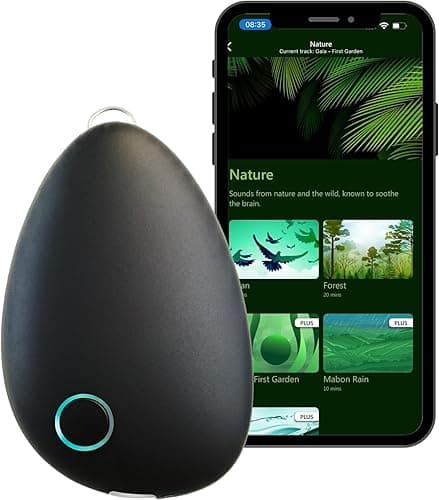
- Sensate 2 (~$299) — sternum-placed infrasonic puck, 10-minute pre-bed sessions only (not overnight). Similar mechanism family, simpler product, one-time purchase, no overnight wear question. Our Pulsetto vs Sensate breakdown covers Sensate's mechanism in depth.
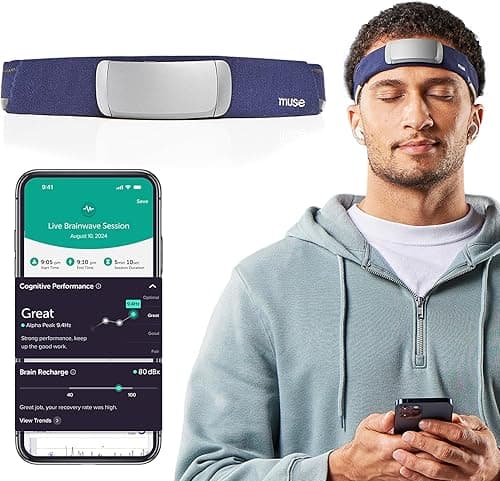
- Muse S Gen 2 (~$400) — EEG-guided sleep tracking and audio "soundscape" sleep journeys. More data, no overnight vibration, headband form factor that not everyone tolerates. See our Muse 2 vs Muse S comparison for the difference between the two Muse devices.
- Pulsetto (~$269) — neck-worn transcutaneous vagus nerve stimulator, 4-minute pre-bed sessions, more direct mechanism than vibration, anxiety-adjacent evidence base.
- HeartMath Inner Balance (~$159) — HRV coherence training via paced breathing. Not a sleep device, but if your problem is autonomic dysregulation, this trains the underlying skill rather than passively delivering input. The HeartMath honest review covers the trade.
- A Manta Sleep Mask Pro or MZOO sleep mask (
$25–$45) plus a Yogasleep Dohm or LectroFan Evo white noise machine ($40–$60) — the unglamorous $65 baseline most insomniacs have never actually tried with discipline. If your room is too bright and too quiet, no $350 wearable will out-perform fixing those two things first. - A Hatch Restore 2 (~$170) — if your problem is morning waking and circadian anchoring rather than falling asleep, the sunrise alarm is a more mechanistically appropriate tool.
If you want measurement — the only way to actually know whether Apollo is moving your sleep — pair it with an Oura Ring Gen 4 or another sleep tracker and look at a thirty-day before/after on sleep onset latency. Our Oura vs Apple Watch for sleep post covers the tracking options.
What we'd actually recommend, for whom
Decision-table version, because that's what you came for:
- Anxious, ruminative sleepers with decent sleep hygiene who already love somatic input. Apollo is defensible at $350. Buy Unwind-first, accept that Sleep mode overnight is a bonus rather than the core value.
- Light sleepers or sleepers with partners who don't want any new device in bed. Skip Apollo. Sensate (pre-bed only, no overnight wear) or Muse S (sleep audio, no overnight vibration) fits better.
- Sleepers whose room is too bright, too noisy, or whose bedtime is inconsistent. Spend $65 on a real sleep mask and a white noise machine first. Honestly. Then decide if a $350 wearable still feels necessary.
- Suspected sleep apnea or chronic morning fatigue despite "8 hours." You don't need Apollo. You need measurement and possibly a sleep study — start with our sleep apnea wearable post.
- Circadian / shift-work / jet-lag insomnia. Hatch Restore 2 plus light-timing discipline. Apollo is the wrong tool.
The honest take: Apollo Neuro for sleep is a defensible adjunct for a specific reader — the anxious sleeper who already has the boring fundamentals in place and wants a tactile reset. It is not a sleep cure, the published evidence does not yet justify the marketing, and for most sleep problems there's a cheaper, more mechanistic option in our catalog. Buy it because you'll genuinely use Unwind every night as part of a ritual you've already built — not because you saw it framed as a $350 fix.
Products mentioned in this post
Apollo Neuro Wearable
Vibration-based wearable for stress relief and sleep, with growing clinical evidence.
Sensate 2 Relaxation Device
Vagus nerve relaxation device using infrasound vibration for stress and anxiety relief.
Muse S Gen 2 Headband
Soft fabric EEG headband for both meditation and overnight sleep tracking.
Pulsetto Vagus Nerve Stimulator
App-controlled non-invasive vagus nerve stimulator for stress, sleep, and anxiety.

HeartMath Inner Balance Sensor
HeartMath's HRV biofeedback sensor for coherence and resilience training.
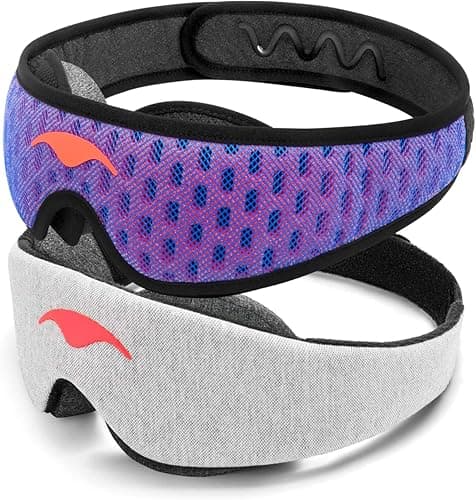
Manta Sleep Mask Pro
Premium contoured sleep mask with zero pressure on your eyes — a top-rated travel pick.
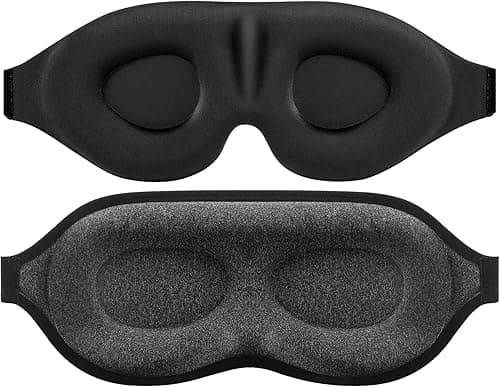
MZOO Luxury Sleep Eye Mask
Amazon's #1 best-selling sleep mask. The cheapest upgrade your sleep can get.
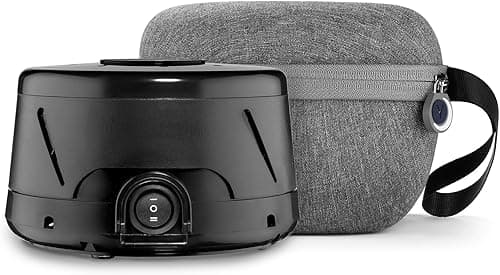
Yogasleep Dohm Classic White Noise
The original mechanical white-noise machine — fan-driven, simple, indestructible.
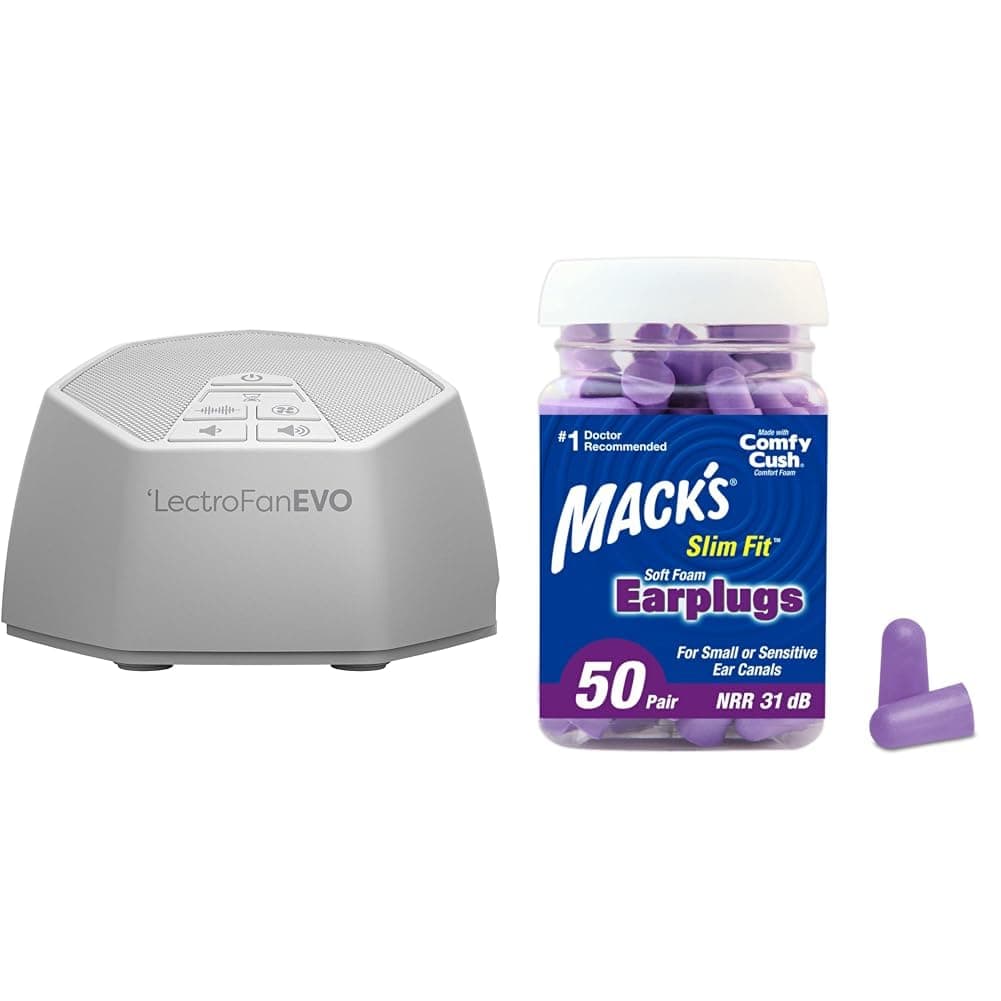
LectroFan EVO White Noise Machine
Twenty-two fan and white-noise sound modes in one compact bedside unit.
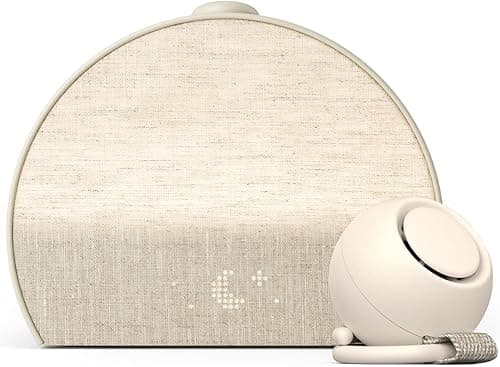
Hatch Restore 2 Sunrise Alarm
Smart sunrise alarm with sound, light, and a TikTok cult following.
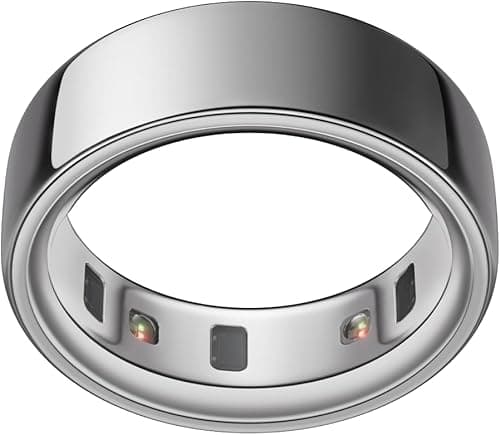
Oura Ring Gen 4 - Heritage
Premium smart ring for sleep, HRV, and daily readiness — no subscription needed for the basics.
Frequently asked
- Should I wear Apollo Neuro all night?
- You can, but you don't need to. The strongest sleep use case is the 30-minute Unwind mode pre-bed and the early portion of Sleep mode as you drift off. Battery life is ~6 hours, so a true all-night wear is partly aspirational, and any sleep benefit Apollo offers is concentrated in the wind-down window rather than mid-sleep. If overnight wear is uncomfortable or you're a light sleeper, run Unwind pre-bed only and call it good.
- Can Apollo Neuro replace melatonin?
- No — different mechanisms, different problems. Melatonin is a circadian signal; Apollo is an autonomic / wind-down cue. If your problem is being too wired to fall asleep, Apollo's mechanism is plausibly relevant. If your problem is circadian misalignment (jet lag, shift work, late chronotype), you need light-timing and possibly melatonin, not vibration. Many sleepers benefit from both addressed separately rather than expecting one to solve the other.
- Is Apollo Neuro better than Sensate for sleep?
- Different products. Sensate is sternum-placed, 10-minute pre-bed sessions only, one-time purchase, no overnight wear, simpler product. Apollo is wrist or ankle, longer Unwind sessions, optional overnight wear, more app dependency. If you want a no-fuss pre-bed reset and never want to think about it again, Sensate is the cleaner buy. If you want a wearable that integrates into a broader stress/sleep ritual and you'll actually use the app, Apollo's flexibility justifies the slightly higher price.
- Will the Apollo vibration wake my partner?
- Not unless they're touching the band. The vibration is tactile and low-intensity, not acoustic, and it does not transmit meaningfully through a mattress. The more common partner complaint is the user's own restlessness in the first week of adapting to wearing a band overnight — that usually settles within seven to ten nights.
- How long until I see sleep improvements from Apollo?
- Most users who get benefit report it within the first week or two on subjective sleep quality. Apollo's own research suggests 2–6 weeks for measurable HRV change, which is a proxy outcome, not a sleep outcome. The honest test: pair Apollo with an Oura ring or another sleep tracker, run thirty nights of consistent use, and check whether your average sleep onset latency actually moved. If it hasn't by week six, it probably isn't going to.
Sources
- [1]An Overview of Heart Rate Variability Metrics and Norms · Frontiers in Public Health · 2017-09-28
- [2]Critical Review of Transcutaneous Vagus Nerve Stimulation: Challenges for Translation to Clinical Practice · Frontiers in Neuroscience · 2020-04-28
- [3]Amazon product listings (current pricing) · Amazon.com · 2026-04-09
Related reading
More from the desk
Buying guides
Apollo Neuro for sleep in 2026: does the $350 wearable actually help you fall asleep? An honest review
An honest review of Apollo Neuro's Sleep mode at $350 — what it does, who it helps, and the $250 sleep stack that covers most of the same ground.
Buying guides
Apollo Neuro Review 2026: Is the $350 Vibration Wearable Worth It? An Honest Take
An honest review of Apollo Neuro at $350 — what the research actually shows, who it helps, and how it compares to Pulsetto, Sensate, and HeartMath.
Buying guides
WHOOP 4.0 vs Oura Ring Gen 4: which recovery wearable is actually worth it in 2026
Honest WHOOP vs Oura comparison for 2026 — 3-year subscription math, HRV and sleep accuracy, strain vs readiness, and which one fits your actual use case.