Buying guides
Apollo Neuro Review 2026: Is the $350 Vibration Wearable Worth It? An Honest Take
An honest review of Apollo Neuro at $350 — what the research actually shows, who it helps, and how it compares to Pulsetto, Sensate, and HeartMath.
“Transcutaneous vagus nerve stimulation has promising results across small studies, but the field needs larger, sham-controlled trials before any device should be sold as a depression or anxiety cure.”
You saw it on an Instagram ad, a Huberman podcast clip, or in a biohacker newsletter, and now you're trying to decide whether the Apollo Neuro wearable is worth $350. The pitch is tidy: a small band on your wrist or ankle delivers gentle vibrations that "train" your nervous system toward calm, sleep, focus, or energy. The fan community is real. The marketing leans heavily on HRV studies. You want to know if it actually works before you click buy.
Here's what most reviews won't tell you: Apollo Neuro sits in a crowded aisle now. At the same price point you can buy a Sensate 2 sternum puck, and for $80 less you can buy a Pulsetto vagus nerve stimulator that targets the same nervous-system goal through a more direct mechanism. The $350 question is not really "does Apollo work" — it's "does Apollo work better than the alternatives, for you."
The short answer: Woo-Woo 2, works for some, overpriced vs. the alternatives
Apollo Neuro is a polished, well-designed lifestyle device with a plausible mechanism, a genuine fan community, and a clinical evidence base that is thinner than the marketing implies. We rate it Woo-Woo 2 out of 5 — mechanism is real, delivery is polished, evidence is early. If you already have a consistent evening wind-down and want a tactile cue to anchor it, Apollo is a defensible buy. If you are trying to actually reduce stress or fix sleep, there are cheaper, more mechanistic options in our catalog that will probably serve you better per dollar.
What Apollo Neuro is and how it claims to work
Apollo is a fabric-band wearable worn on the wrist or ankle, controlled through the Apollo Health app. It delivers low-frequency vibration patterns — Apollo calls this "SAVVI" / infrasonic vibration — across seven modes: calm, sleep, focus, energy, recover, social, and clear + focused. Sessions run roughly 15–60 minutes depending on mode, and Apollo Health's framing is that repeated use nudges the autonomic nervous system toward better sympathetic/parasympathetic balance, measurable as improved heart rate variability.
The hardware itself is genuinely well-made. The app is clean. There is no hidden subscription on the core device as of this writing, though Apollo has been drifting toward premium app features. Pricing sits around $350 at current retail according to Amazon listings. For a review period of a few months, most users describe a pleasant tactile experience — the vibrations are subtle, not buzzy.
What the evidence actually shows (and what it doesn't)
"Transcutaneous vagus nerve stimulation has promising results across small studies, but the field needs larger, sham-controlled trials before any device should be sold as a depression or anxiety cure."
That editorial caveat was written for tVNS devices, but the same standard applies to infrasonic-vibration wearables like Apollo. The published Apollo Neuro studies are mostly small, frequently involve investigators with ties to Apollo Health, and measure short-term HRV changes rather than durable clinical outcomes. HRV itself is a real and well-established biomarker — Shaffer & Ginsberg's 2017 overview in Frontiers in Public Health is the foundational reference — but a short-term HRV bump from any calming intervention is not the same thing as a durable stress or sleep improvement.
Compare Apollo's evidence base to the transcutaneous vagus nerve stimulation literature, which has dozens of small RCTs across anxiety, depression, and inflammation endpoints. Even that literature — which is substantially larger than Apollo's — is not yet at the level of "prescribe this." Apollo sits further back on the evidence curve. Honest framing: plausible mechanism, polished delivery, early-stage clinical evidence that should not be treated as settled science.
Who Apollo Neuro actually seems to help
From the pattern of user reports we trust, three groups get the most out of Apollo:
- People who already have a consistent evening wind-down ritual. The Sleep mode functions as a tactile anchor — a sensory "it's time" cue that slots into an existing routine. If you already brush, dim lights, and read for twenty minutes, Apollo adds a physical marker that many users find genuinely calming.
- People who respond to somatic input generally. If massage, weighted blankets, or progressive muscle relaxation reliably shift your state, vibration-based input is likely to land for you too.
- People with subclinical, daily-grind stress. Apollo is a lifestyle device, and the app-guided sessions provide structure for people who otherwise never sit still for 20 minutes.
Who Apollo does not help, despite marketing that edges this direction: anyone expecting it to treat clinical anxiety, insomnia, or ADHD. Apollo markets toward ADHD use cases — tread carefully. The evidence there is very limited, and the device is not cleared as a treatment for any condition.
Apollo Neuro vs. Pulsetto vs. Sensate — the $350 question
This is the comparison most Apollo reviews skip, because their affiliate programs don't overlap. Ours do. Here's the honest three-way:
- Pulsetto (~$269) — neck-worn, app-controlled, delivers transcutaneous vagus nerve stimulation directly. Bigger mechanistic bet on the vagal pathway, cheaper, growing (if still early) clinical literature behind tVNS as a modality. See our Pulsetto honest review for the full breakdown.
- Sensate 2 (~$300) — a bone-conduction infrasonic puck that sits on the sternum during 10-minute sessions. One-time purchase. No ambient wear. Well-liked for pre-sleep and meditation routines. Our Pulsetto vs. Sensate comparison breaks down the mechanistic differences.
- Apollo Neuro (~$350) — wrist/ankle wearable, app-dependent, all-day-wearable in theory but most users converge on specific session types. More lifestyle than clinical.
If the goal is the most direct intervention on the vagal/parasympathetic system for the least money, Pulsetto wins. If the goal is a one-time purchase that anchors pre-sleep wind-down without app friction, Sensate wins. Apollo's case is "I want a wearable I can use in more contexts than a neck device or a chest puck" — that is a real benefit, and it's the one thing Apollo genuinely does best.
For a broader category overview, our best vagus nerve devices 2026 round-up covers the full stress-wearable landscape.
Apollo for sleep specifically
This is the strongest "works for me" use case in user reports. Apollo's Sleep mode runs a descending vibration pattern over ~20 minutes that functions as a structured wind-down. Honest take: if you struggle with pre-sleep rumination, a 20-minute tactile anchor has real ritual value — independent of whether the vibration itself is the active ingredient.
That's worth naming explicitly. A $40 weighted eye mask plus a disciplined bedtime probably covers 60–70% of the same benefit at a tenth of the cost. If you need structure and you need it to feel like a device, Apollo delivers. If you can build the ritual without hardware, you will save $310.
If you actually want to train HRV, buy the right tool for it
Apollo markets HRV improvement as a downstream outcome. If HRV training is actually what you want, there are more direct tools:
- HeartMath Inner Balance (~$159) — trains HRV coherence directly via paced breathing with real-time biofeedback. The HeartMath research library is not flawless but it is more targeted to the HRV-training claim than anything Apollo has published.
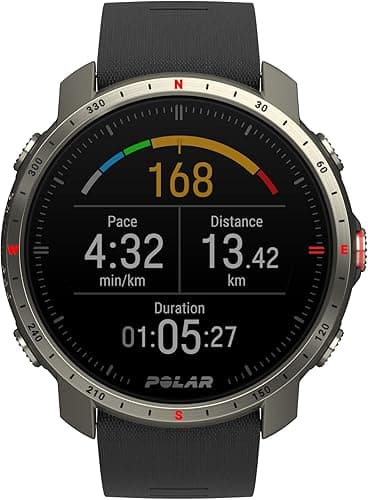
- Polar H10 chest strap (~$90) — the gold-standard HRV measurement device. If you want to actually validate whether Apollo is moving your HRV, the Polar H10 paired with an HRV4Training-style app is the reference stack researchers use.
- Truvaga — handheld tVNS from the company that makes the FDA-cleared gammaCore prescription device. More clinical lineage than Apollo, roughly comparable price.
Side effects, costs beyond the sticker, and who should skip it
Apollo's safety profile is benign: occasional skin irritation under the band, vibration fatigue if you use it too often, and for some users, the vibration becomes a distraction during focus mode rather than an aid. Battery life requires daily-ish charging. The app dependency is real — no phone, no session.
Skip Apollo if: you are using it as a substitute for treating diagnosed anxiety, PTSD, or insomnia; you resent app-dependent hardware; you will not use a device more than a handful of times (most wearables end up in drawers within 90 days). At $350, the drawer-fate risk is the single biggest reason to think twice.
Our Woo-Woo rating and the honest bottom line
Woo-Woo 2 out of 5. Mechanism is plausible, build is polished, evidence is thin relative to the marketing. For the full rubric see what the Woo-Woo Meter means.
If you already own an Oura or Whoop, have a consistent wind-down practice, and specifically want a tactile nervous-system cue you can wear in more contexts than a neck device, Apollo is a defensible buy. If you are trying to solve stress or sleep at all, Pulsetto (more mechanistic), Sensate (simpler, one-time), or HeartMath Inner Balance plus a disciplined breathing practice will likely deliver more outcome per dollar.
Marketing claims to ignore before you click: durable mood improvement, ADHD "treatment," and anything framed as "trains your nervous system" without specifying the measurable endpoint. Apollo is a well-made lifestyle device. It is not a clinical intervention, and $350 should buy you either a clinical intervention or a device you'll use every day. Decide which one you're actually in the market for.
Products mentioned in this post
Apollo Neuro Wearable
Vibration-based wearable for stress relief and sleep, with growing clinical evidence.
Pulsetto Vagus Nerve Stimulator
App-controlled non-invasive vagus nerve stimulator for stress, sleep, and anxiety.
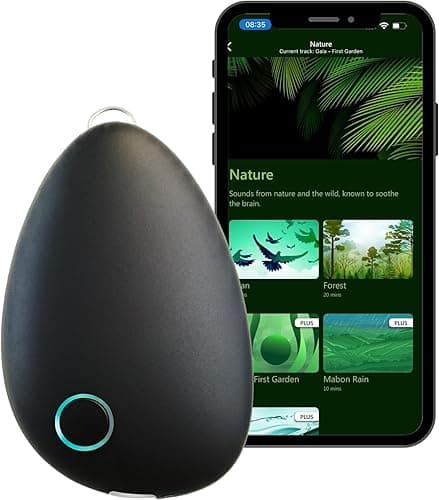
Sensate 2 Relaxation Device
Vagus nerve relaxation device using infrasound vibration for stress and anxiety relief.
Truvaga Vagus Nerve Stimulator
Handheld clinical-grade vagus nerve stimulator — quick daily sessions.

HeartMath Inner Balance Sensor
HeartMath's HRV biofeedback sensor for coherence and resilience training.
Polar H10 Heart Rate Sensor
The gold-standard chest strap for HRV and heart rate — ANT+ and Bluetooth in one.
Frequently asked
- Does Apollo Neuro actually work?
- For some users, yes — as a tactile cue that anchors an existing wind-down or focus routine. Apollo's published studies show short-term HRV changes, but those are not the same as durable stress or sleep improvements. The honest answer: it works as a ritualized sensory input for people who respond to somatic cues. It is not a treatment for clinical anxiety, insomnia, or ADHD, and the clinical evidence is much lighter than Apollo's marketing implies.
- How long until I feel something from Apollo Neuro?
- Most users report noticing subjective calming within the first session or two — but that's a session-level effect, not evidence the device is training your nervous system over time. Apollo's own research suggests 2–6 weeks of consistent daily use before measurable HRV change. If you're still not feeling anything after a month of near-daily sessions, it's probably not going to click for you.
- Apollo Neuro vs. Pulsetto — which is better?
- Different mechanisms. Pulsetto directly stimulates the vagus nerve via the neck and has more mechanistic evidence behind tVNS as a category. Apollo delivers tactile vibrations via the wrist or ankle and is more wearable across contexts. For direct intervention on the parasympathetic system for less money, Pulsetto wins. For an all-day wearable that fits into more daily contexts, Apollo wins. Our Pulsetto honest review covers the trade in depth.
- Is there a subscription with Apollo Neuro?
- The core device works without a subscription, but Apollo has increasingly been gating premium app features. Check current terms before you buy — they have shifted over time. Sensate, by comparison, is a one-time purchase with no subscription pressure.
- Is Apollo Neuro worth $350?
- If you already have a consistent wind-down practice and want a tactile anchor you can wear in more contexts than a neck device or chest puck, yes — it's a defensible lifestyle purchase. If you're trying to meaningfully reduce stress or fix sleep, a $269 Pulsetto, a $300 Sensate, or a $159 HeartMath Inner Balance will likely deliver more per dollar. The $350 Apollo justifies when the wrist/ankle form factor genuinely matters to you; otherwise it's overpriced relative to the alternatives.
- Can Apollo Neuro replace meditation or therapy?
- No. Apollo is a general-wellness device, not a medical treatment. It can support a meditation or wind-down practice as a tactile anchor, but it doesn't replace the practice itself — and it absolutely doesn't replace therapy for diagnosed anxiety, PTSD, or insomnia. Treat it as an adjunct to a real routine, not a shortcut around one.
Sources
- [1]Critical Review of Transcutaneous Vagus Nerve Stimulation: Challenges for Translation to Clinical Practice · Frontiers in Neuroscience · 2020-04-28
- [2]An Overview of Heart Rate Variability Metrics and Norms · Frontiers in Public Health · 2017-09-28
- [3]HeartMath Research Library · HeartMath Institute · 2026-01-01unverified
- [4]Amazon product listings (current pricing) · Amazon.com · 2026-04-09
Related reading
More from the desk
Buying guides
Apollo Neuro for Sleep: Does the Vibration Actually Help You Fall Asleep? (2026 Honest Take)
Apollo Neuro for sleep, evaluated honestly. What Sleep mode actually does, what the evidence shows, and how it stacks up against Sensate, Muse S, and a $65 baseline.
Buying guides
Apollo Neuro for sleep in 2026: does the $350 wearable actually help you fall asleep? An honest review
An honest review of Apollo Neuro's Sleep mode at $350 — what it does, who it helps, and the $250 sleep stack that covers most of the same ground.
Buying guides
WHOOP 4.0 vs Oura Ring Gen 4: which recovery wearable is actually worth it in 2026
Honest WHOOP vs Oura comparison for 2026 — 3-year subscription math, HRV and sleep accuracy, strain vs readiness, and which one fits your actual use case.