biometric
Heart Rate Variability (HRV)
The variation in time between consecutive heartbeats. Higher HRV typically indicates a more resilient autonomic nervous system.
Heart rate variability (HRV) is the natural beat-to-beat variation in time between consecutive heartbeats, measured in milliseconds. It's controlled by the autonomic nervous system — the system that runs heart rate, digestion, breathing, and stress response without your conscious involvement.
Higher HRV is generally associated with better cardiovascular fitness, faster recovery, lower stress, and lower all-cause mortality risk. It's one of the most-validated wearable-derived biomarkers in consumer wellness.
Most modern wellness wearables (smart rings, chest straps, smart watches) measure HRV during sleep or while at rest. Different devices use different metrics — RMSSD is the most common in research, while many consumer devices show a normalized "score" based on your personal baseline.
HRV is highly individual. Compare yourself to your own baseline, not to other people.
Sources
- [1]An Overview of Heart Rate Variability Metrics and Norms · Frontiers in Public Health · 2017-09-28
Products that use this
Related products
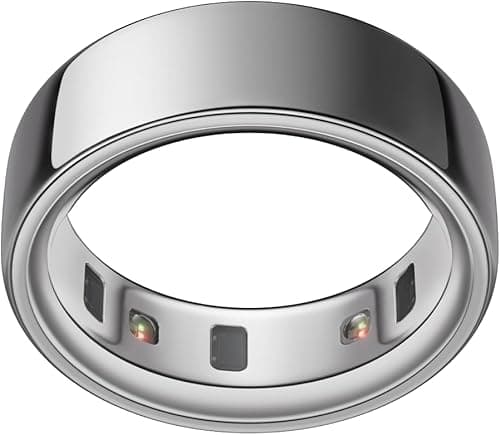
Oura Ring Gen 4 - Heritage
Premium smart ring for sleep, HRV, and daily readiness — no subscription needed for the basics.
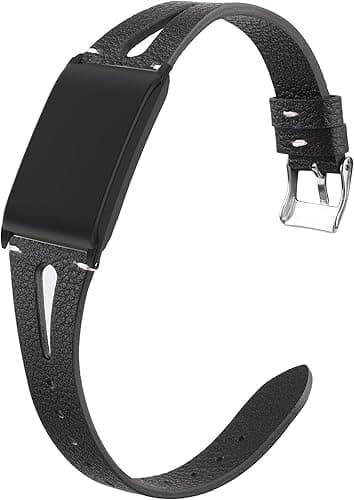
Whoop 4.0 Strap
Subscription-based recovery and strain tracker favored by athletes and high performers.
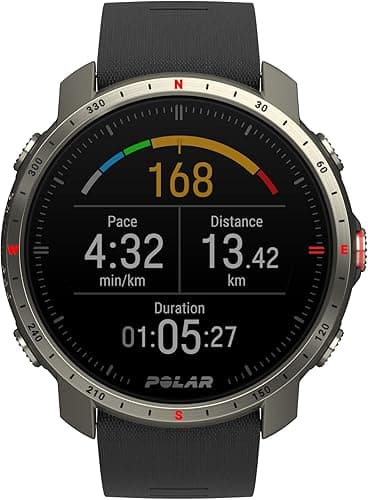
Polar H10 Heart Rate Sensor
The gold-standard chest strap for HRV and heart rate — ANT+ and Bluetooth in one.

HeartMath Inner Balance Sensor
HeartMath's HRV biofeedback sensor for coherence and resilience training.