Buying guides
Oura Ring vs Apple Watch for Sleep: Which Tracker Is Actually Worth It in 2026?
Oura Ring Gen 4 vs Apple Watch Series 10 for sleep tracking — a head-to-head on accuracy, HRV, wearability, subscription math, and which one to actually buy.
“Heart rate variability is one of the few wearable metrics with both a deep physiological basis and a long literature linking it to real-world outcomes.”
You want a wearable that will actually tell you something useful about your sleep, and you've narrowed it to two: the Oura Ring Gen 4 Heritage or the Apple Watch Series 10. Every other review hedges because both affiliate programs pay. We'll pick.
The short version: these are two different products that happen to both track sleep. If you choose on feature lists you'll likely buy the wrong one. If you choose on the question "what is this device actually for," the decision takes five minutes.
The quick verdict
Buy the Oura Ring Gen 4 Heritage if your dominant goal is better sleep and recovery — smaller, seven-day battery, richer overnight HRV trend, a report layer built specifically for sleep. Buy the Apple Watch Series 10 if you want one wearable that does sleep respectably while also covering fitness, notifications, fall detection, and ECG. If you hate subscriptions, jump straight to RingConn Gen 2 — credible hardware, no monthly fee.
Everything below is the detail behind that call.
How each device actually measures sleep
Both use photoplethysmography (PPG) — green and infrared LEDs that read blood-volume changes to infer heart rate and heart rate variability. Both add accelerometry for movement detection. The difference is where the sensor sits.
Oura sits on the palmar side of your finger, against tissue with dense capillary perfusion. Finger PPG is the signal-richest wearable site short of a clinical pulse oximeter — it's why hospital finger clips are finger clips. It's also largely immune to the sleep killer of wrist PPG: motion artifact. You sleep with a hand under the pillow and the sensor barely notices. A wrist-worn device with the same arm under a pillow is fighting physics.
Apple Watch sits on the dorsal wrist, farther from the artery, with skin that moves more. The Series 10 compensates with better optics, a thinner case, and watchOS sleep-staging algorithms that have improved every year since the 2022 launch of the feature. It's genuinely fine. It is not as clean a signal as a finger ring, and no software heroics will change the physics.
What the independent literature actually says about staging accuracy
Neither device matches polysomnography — the lab-grade gold standard with EEG electrodes on your scalp. That is not a controversial statement; it applies to every consumer sleep tracker ever sold.
Within the consumer tier, the pattern in small independent validation studies has been consistent: finger-based PPG rings tend to do better than wrist-based watches at four-stage (wake/light/deep/REM) classification, largely because of the signal-quality gap above. Oura publishes its own research roundup making this case — see the Oura Research Library — which is credible, and also vendor-driven. Read it as "here is the best-case reading of our own data," not as independent replication. Apple's sleep-staging claims sit in a similar posture: improved, plausible, not independently validated at lab scale.
The layer above staging — overnight resting heart rate and HRV trends — is where both devices are on firmer ground. Trendlines over weeks, not single-night stage numbers, are where the real signal lives for most users. For the physiological backing here, the canonical reference is Shaffer & Ginsberg's 2017 overview in Frontiers in Public Health.
Wearability and battery — the nightly reality
This is the section most comparisons skip, and it's the one that actually decides whether you'll still be wearing the thing in six weeks.
Oura: around seven days of battery on a charge. No screen. You put it on and forget it exists. Charging is a 20–80 minute dock session you fit in while you shower. People who buy Oura for sleep tend to keep wearing it for sleep.
Apple Watch: nightly charging is part of the product. The Series 10 is thinner than previous generations but it is still a 42mm (or 46mm) slab on your wrist that lights up at 3am when a notification lands or the screen raises to "check time" motions. Apple's own sleep mode dims this, but not everyone uses it, and a fraction of buyers simply stop wearing the watch to bed within a month. The watch that isn't on your wrist is tracking nothing.
If you cannot reliably commit to nightly charging logistics and a wearable on your wrist at night, a ring wins on any spec sheet because it's the one you'll actually wear.
HRV and recovery — where Oura leaves Apple behind
Apple Watch takes HRV readings as spot checks — brief samples during specific periods, typically when you're still. The trend line exists, but it's derived from sparse samples, and the "Health" app does little to make it actionable beyond showing you a graph.
Oura computes HRV continuously through the night and presents a nightly baseline with a "Readiness" score that leans on it. Same sensor family, very different reporting layer. If you care about HRV as a recovery signal — not a trivia number, but an input to whether you should train hard today or take it easy — Oura is the more usable tool by a meaningful margin.
Heart rate variability is one of the few wearable metrics with both a deep physiological basis and a long literature linking it to real-world outcomes.
That's why the HRV gap matters. Both devices can read HRV acceptably. Only one of them is built to act on it.
The subscription math
This is where honest comparison forces uncomfortable numbers. Current pricing on Amazon is roughly $349 for the Oura Gen 4 Heritage and $329 for the Apple Watch Series 10 (GPS 42mm). Apple charges once and you own the data features forever. Oura charges once for the ring plus an optional membership (around $5.99/month after the first free month) for the full app experience.
Run it over three years. Apple Watch: ~$329 plus whatever you spent on bands and chargers. Oura: ~$349 plus roughly $200 in membership across 36 months, call it $550 total — though you can cancel the subscription without bricking the ring, you just lose some of the analytics. The true gap is therefore somewhere between "identical" (if you skip Oura's sub) and "roughly $220 over three years" (if you keep it).
Oura's subscription isn't extortion, but it is real money, and the honest framing is: are the Readiness and sleep analytics worth $6/month to you? For some buyers they are. For others, not close.
Ecosystem lock-in
Apple Watch lives inside Apple Health. That's the best wellness-data hub in consumer tech — it reads from hundreds of third-party apps and devices, and if you already have an iPhone it's almost frictionless. If you want MyFitnessPal, Strava, a Withings scale, a Dexcom CGM, and your wearable all talking, Apple Health is where that happens.
Oura's app is narrower but deeper on sleep and recovery specifically. It exports to Apple Health and Google Fit, so you can get the ring's data into the broader ecosystem — but the Oura reporting experience is inside Oura's own app, and it's the best one in the category.
Android readers: Apple Watch is a non-option. The nearest cross-shop is the Samsung Galaxy Watch 7, which does sleep staging competently and pairs cleanly with Samsung Health. Against Oura on Android, the tradeoffs map roughly the same as Apple Watch on iOS.
Where each one is genuinely weak
Apple Watch weak spots: the HRV reporting layer is minimal, nightly wear is a compliance problem for a real fraction of buyers, and the battery will not make it through a full day of heavy use plus sleep tracking without top-up charging. Sleep as a pure feature is a respectable afterthought, not the design brief.
Oura weak spots: no workout detection worth relying on (you'll still pull your phone to log a run), no ECG, no notifications, and no GPS. The ring does one job. If you also want activity coaching, Apple wins on breadth the same way Oura wins on depth.
The alternatives worth surfacing
- RingConn Gen 2 — the "Oura without the subscription" pick. Longer battery (12-day claims hold up close to that in practice), no monthly fee, smaller research library, less polished app. For a shopper who specifically doesn't want recurring charges, this is the call. We covered the wider ring landscape in the best smart rings in 2026.
- Whoop 4.0 Strap — if you train hard most days and want a strain-and-recovery model, Whoop's framework is the strongest consumer answer. Subscription-only model. Not a sleep-first purchase — a training-first one that happens to include sleep.
- Wellue O2Ring — if your real sleep question is "do I have apnea," neither Oura nor Apple is the right tool. The Wellue is a dedicated overnight pulse-oximeter that records minute-by-minute SpO2, and it's the correct consumer device for screening oxygen desaturation patterns. (Still not a diagnosis — that's a sleep study. It's the screener.)
Our honest take — Woo-Woo 1
Woo-Woo 1 out of 5 on the Woo-Woo Meter. Both products are PPG-and-accelerometry devices with published validation studies. No mysticism, no vague energy claims, no rebranded placebo. The open questions are about accuracy margins, not whether any of this works.
For sleep specifically, the Oura Ring Gen 4 Heritage is the better tool. Finger PPG, seven-day battery, richer overnight HRV, a sleep-first report layer. If sleep is why you're buying, buy the ring.
For "one wearable that does everything respectably, sleep included," the Apple Watch Series 10 is the better tool. You're trading some sleep-signal fidelity for a device that also does fitness, messages, calls, ECG, fall detection, and the whole Apple Health interop layer.
For the reader who refuses subscriptions on principle, the RingConn Gen 2 is the right answer, and it isn't close — same job as Oura, one payment, done.
The mistake most buyers make is treating this as "which device is better." It isn't. It's "what do you want the device to do." Pick the job first and the hardware picks itself.
Products mentioned in this post
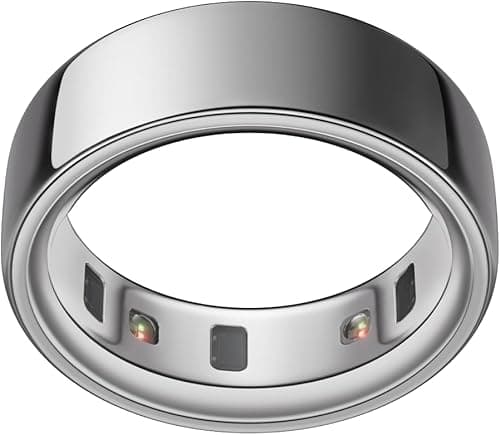
Oura Ring Gen 4 - Heritage
Premium smart ring for sleep, HRV, and daily readiness — no subscription needed for the basics.
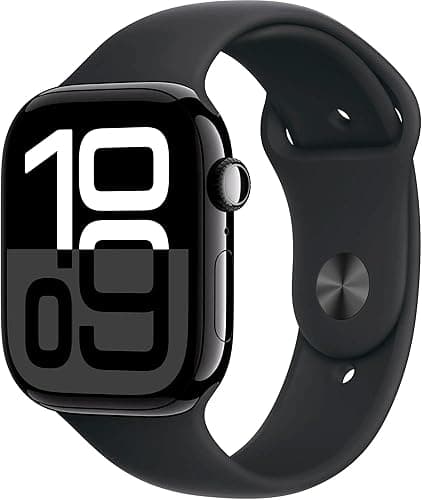
Apple Watch Series 10 (GPS 42mm)
Apple's mainstream wellness watch — workouts, sleep stages, ECG, blood oxygen, in a single device.
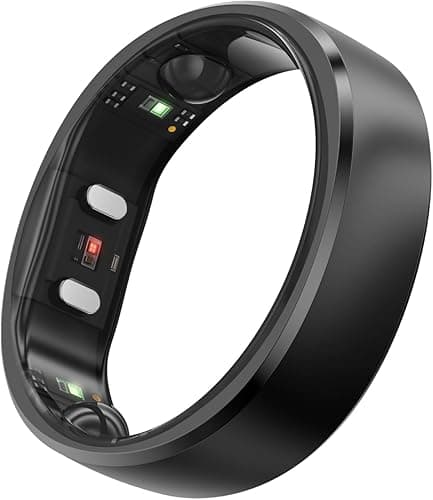
RingConn Gen 2 Smart Ring
Subscription-free smart ring with 12-day battery — a credible Oura alternative under $300.
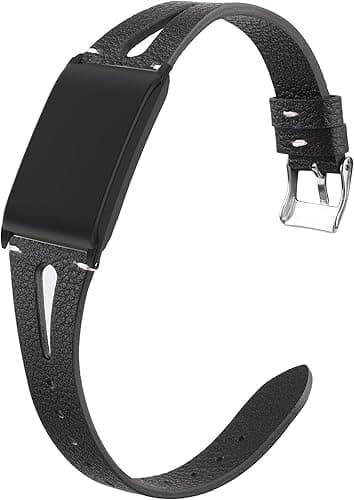
Whoop 4.0 Strap
Subscription-based recovery and strain tracker favored by athletes and high performers.
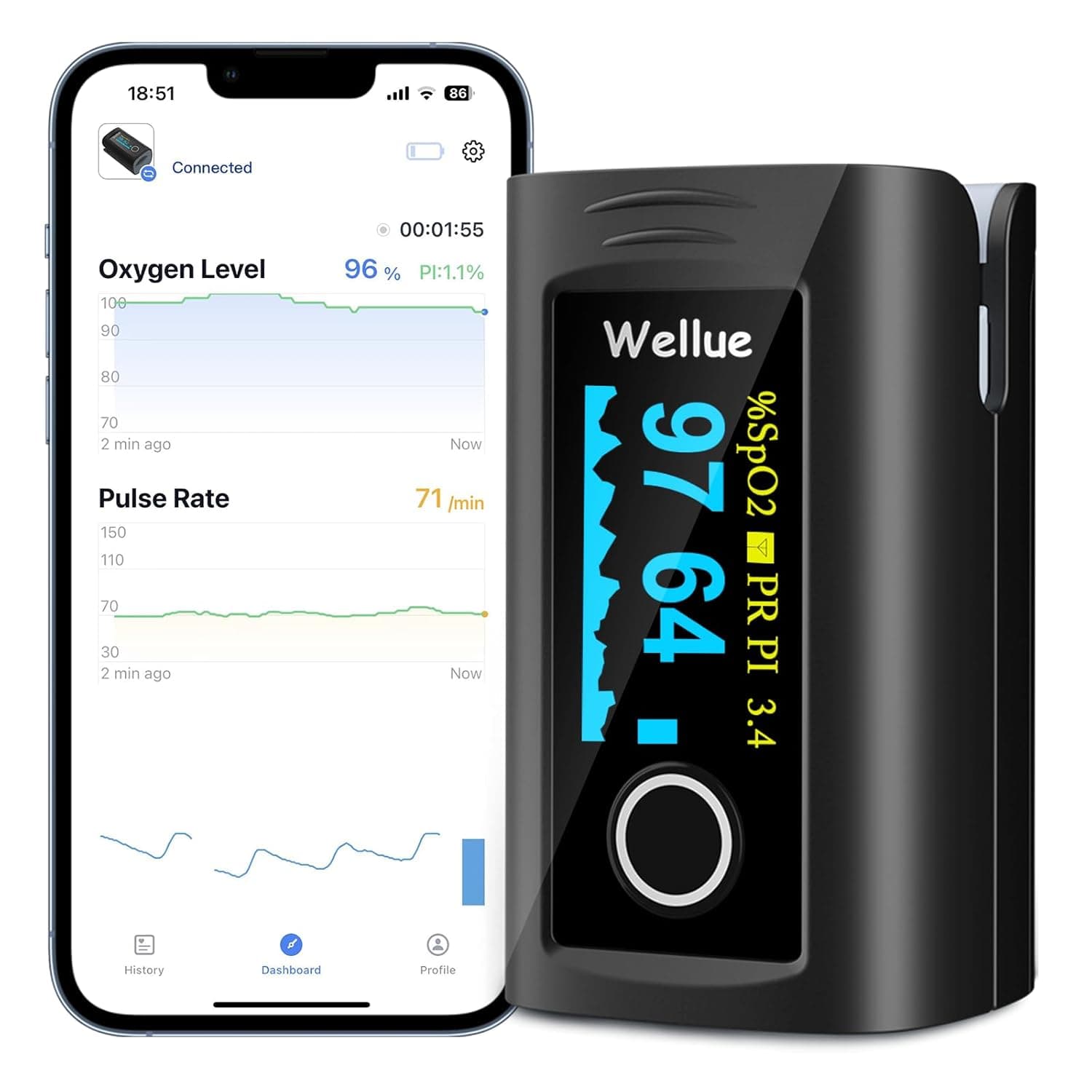
Wellue O2Ring Oxygen Monitor
Continuous overnight SpO2 ring monitor — designed for sleep apnea screening.
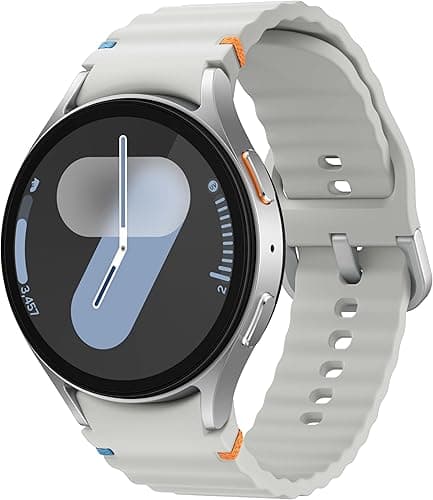
Samsung Galaxy Watch 7 (44mm)
AI-powered Galaxy Watch with energy score, sleep coaching, and frequent 30%-off pricing.
Frequently asked
- Is Oura Ring or Apple Watch better for sleep tracking?
- For sleep specifically, Oura Ring Gen 4 is the better tool. Finger-based PPG gives a cleaner signal than wrist PPG, the seven-day battery means you actually wear it every night, and the app's sleep and Readiness reporting is more actionable than Apple's. Apple Watch Series 10 is still a respectable sleep tracker — it just isn't built sleep-first the way the Oura is, and nightly charging plus wrist bulk cause a real share of buyers to stop wearing it to bed.
- How accurate is Apple Watch sleep tracking compared to Oura?
- Neither device matches a lab polysomnograph, which uses scalp EEG electrodes. Within the consumer tier, small independent studies generally show finger-worn rings beating wrist watches on four-stage (wake/light/deep/REM) classification because the finger PPG signal is less affected by motion. Apple's sleep staging has improved significantly since launch and is now genuinely useful for trend-level insight. Use either for nightly trends, not for clinical-grade stage numbers.
- Do you have to pay a subscription for the Oura Ring?
- The ring itself works without a subscription — you get basic sleep, heart rate, and activity data. The full app experience (Readiness scores, tags, detailed analytics, cycle insights) is gated behind an optional membership at around $5.99/month after the first free month. Over three years, that's roughly $200 on top of the $349 hardware. You can cancel anytime without bricking the ring, you just lose the premium analytics layer.
- Can Apple Watch track HRV as well as Oura?
- Both can read HRV from PPG, but the implementations differ sharply. Apple Watch takes spot-check HRV readings at intervals and surfaces the trend in the Health app with minimal interpretation. Oura computes HRV continuously through the night and uses the resulting overnight baseline as a key input to its Readiness score. If HRV as a recovery signal is why you're buying, Oura is the materially more usable tool.
- Is there a sleep tracker that's better than both Oura and Apple Watch?
- For pure sleep-stage accuracy, a dedicated EEG headband like Muse S is technically closer to lab-grade because it reads brain activity directly — but compliance is harder since most people won't keep wearing a headband to bed. For sleep apnea screening specifically, the Wellue O2Ring is a better tool than either Oura or Apple Watch because it records continuous SpO2 all night. For general sleep-and-recovery trend tracking with high compliance, an Oura-class ring remains the right consumer answer.
Sources
- [1]An Overview of Heart Rate Variability Metrics and Norms · Frontiers in Public Health · 2017-09-28
- [2]Oura Research Library · Oura · 2026-01-01unverified
- [3]Amazon product listings (current pricing) · Amazon.com · 2026-04-09
Related reading
More from the desk
Buying guides
WHOOP 4.0 vs Oura Ring Gen 4: which recovery wearable is actually worth it in 2026
Honest WHOOP vs Oura comparison for 2026 — 3-year subscription math, HRV and sleep accuracy, strain vs readiness, and which one fits your actual use case.
Buying guides
HRV training apps that actually work in 2026 (and the hardware they need)
Honest 2026 guide to HRV training apps and the chest straps, rings, and sensors that make them work. Real protocols, real evidence, Woo-Woo Meter ratings.
Buying guides
Apollo Neuro for Sleep: Does the Vibration Actually Help You Fall Asleep? (2026 Honest Take)
Apollo Neuro for sleep, evaluated honestly. What Sleep mode actually does, what the evidence shows, and how it stacks up against Sensate, Muse S, and a $65 baseline.