Buying guides
Muse 2 vs Muse S Gen 2: Which EEG Headband Is Actually Worth It in 2026?
Muse 2 vs Muse S Gen 2 — same seven-sensor EEG, two very different devices. Meditation biofeedback or overnight sleep tracking: how to pick the right one.
“Transcutaneous vagus nerve stimulation has promising results across small studies, but the field needs larger, sham-controlled trials before any device should be sold as a depression or anxiety cure.”
You've decided you want an EEG headband. You've narrowed it to Muse. Now you're stuck on the last fork: the $250 Muse 2 or the $350 Muse S Gen 2. Every other review hedges — "both are great, here are our affiliate links" — because the commission is the same either way. We'll pick.
The short version: these are two different devices wearing the same brand name, built to solve two different problems. If you choose by feature list you will probably buy the wrong one. If you choose by form factor — specifically, by whether you want a device to meditate with or a device to sleep in — the decision takes about three minutes.
The short answer: Muse 2 for meditation, Muse S for sleep
Both headbands read your brain with the same seven-sensor EEG stack — frontal and temporal electrodes, PPG, accelerometer, breath sensor — and both drive the same real-time "weather sounds that go calm when you do" biofeedback through the Muse app. The meditation experience on the two devices is nearly identical.
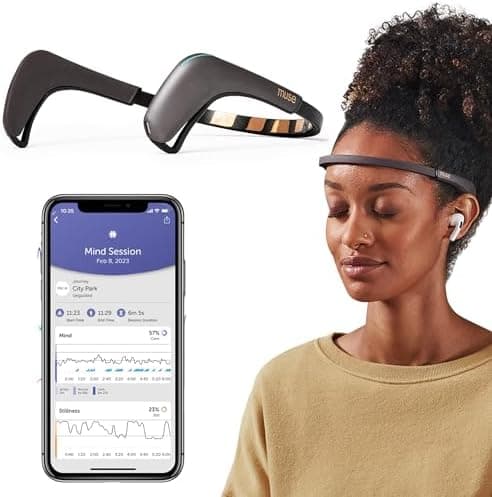
The difference is wearability. Muse 2 is a hard plastic band with silicone ear contacts, sized for seated sessions of 5–30 minutes. Muse S Gen 2 puts the same electronics into a soft fabric headband with a 10+ hour battery, designed so you can actually sleep in it — and it adds overnight EEG-based sleep staging plus "digital sleeping pills" (guided journeys whose audio dims as you drift off).
If you want meditation feedback, the $100 premium for Muse S buys you features you won't use. If you want overnight sleep tracking, trying to sleep in a Muse 2 will make you hate your life by night three. Pick by what you'll do with it, not by which spec sheet is longer.
What both headbands share — the EEG layer
The seven-sensor setup is the same on both. Muse reads frontal-lobe activity as a correlate of attention and calm, translates that into a "Calm Mind" score, and drives real-time audio — birds when you're focused, storms when your mind wanders. That loop is the product. It is also what consumer EEG can and cannot do honestly: four frontal electrodes are enough to track gross changes in attention and relaxation, but they are much noisier than the 32-channel research-grade systems the academic literature is built on.
Muse publishes its own validation studies arguing its signal quality is comparable to research-grade systems for the frontal electrodes it uses — which is credible, and also vendor-driven research that has not been replicated at scale by independent labs.
"Transcutaneous vagus nerve stimulation has promising results across small studies, but the field needs larger, sham-controlled trials before any device should be sold as a depression or anxiety cure."
That editorial caveat was written for tVNS, but the same standard applies to consumer EEG neurofeedback. Muse is a Woo-Woo 2 out of 5 on our Woo-Woo Meter: real mechanism, polished delivery, modest evidence base for durable outcome claims, strong user reports. Read "trains your brain" and similar marketing as aspirational, not clinical.
Where they diverge — form factor and use case
Muse 2 has a rigid frame with silicone contact points behind the ears. It goes on in fifteen seconds and is comfortable for half an hour. It is completely wrong for sleeping in. Battery runs around five hours of active use, which is fine for meditation and useless for overnight tracking.
Muse S Gen 2 is a soft textile band with the sensors stitched inside. You can pull it down over your eyes like a sleep mask. Battery runs 10+ hours, enough for a full night. All of the meditation features work exactly the same on it — so if you're cross-shopping purely for seated sessions, Muse S is a valid (expensive) upgrade. If you try to do a 15-minute desk meditation in a Muse S, the soft band works fine, but you're paying $100 for sleep features you aren't using.
The sleep question: does Muse S actually help you sleep?
This is the feature that justifies the price gap. Muse S offers two things Muse 2 doesn't:
- Digital sleeping pills — guided audio journeys that adapt as the EEG signal shifts; the narration dims as you drift off.
- EEG-based sleep staging — wake / light / deep / REM estimates derived from the frontal EEG plus accelerometer, reported next morning.
The EEG approach to sleep staging is more direct than the PPG-plus-movement estimation that a ring or watch does. A good smart ring like Oura infers sleep stages from heart rate and motion; Muse S is reading brain activity, which is what the clinical sleep labs actually use. That said, Muse does not publish independent open clinical validation of its sleep stage accuracy — the Muse research page is the main public source, and it should be read as vendor-driven.
The real limit is compliance. Most people do not want to wear a headband to bed, and of those who try it, the majority drop it within two weeks. If you already sleep comfortably in an eye mask and don't mind one more device on charger rotation, Muse S can be genuinely useful. If you toss and turn, or if a wearable on your forehead will bother you, the $350 is likely to end up in a drawer.
What the evidence actually supports
EEG neurofeedback for meditation has a real research base. The strongest studies, though, are on research-grade multi-channel EEG, not four-electrode consumer headbands. The leap from "EEG neurofeedback modifies attention in a lab" to "wearing a Muse three times a week for a month will change how you feel" is not well-supported in published, independent, sham-controlled trials. It's plausible. It isn't settled.
The closest parallel is the consumer vagus-nerve-stimulator field, where we've written in depth about the gap between promising small trials and reliable clinical outcomes — see vagus nerve devices: what the evidence shows for the broader "small studies, larger trials needed" frame. It applies cleanly here too. Short-term in-session effects on HRV and attention are real. Durable clinical outcome claims should be treated as aspirational until larger independent trials land.
Foundational HRV reference: Shaffer & Ginsberg's 2017 overview in Frontiers in Public Health, which Muse's PPG-based HRV metrics lean on alongside the EEG.
Muse vs Flowtime — the budget alternative most comparisons skip
Most Muse 2 vs Muse S comparisons stop at the Muse lineup because the writer's affiliate program does. Ours carries Flowtime too, so here's the honest three-way: at roughly $170, Flowtime is the cheapest well-built way into biosensing meditation. It combines EEG and HRV in a different form factor, runs its own app ecosystem, and is a defensible pick for a reader who wants to try biofeedback-guided meditation without spending Muse money.
Flowtime isn't a better Muse. It's a different bet — fewer electrodes, less polished app, but genuine biosensing at less than half the price of Muse S. If you want the best-built experience, neither Muse is the cheapest way in; both are the best-built way in. If you want the cheapest way to find out whether biofeedback meditation clicks for you at all, start with Flowtime and upgrade if you keep using it.
Muse S vs Apollo Neuro — the "calm wearable" cross-shop
Readers shopping at $350 for "a wearable that will help me sleep" often have Apollo Neuro on the same list. Different tools. Muse S measures your brain and shows you what it's doing. Apollo vibrates your wrist or ankle and nudges your nervous system. One is a biofeedback device; the other is a somatic input device.
If you want to watch your sleep stages, buy Muse S. If you want a tactile wind-down cue that doesn't require you to wear anything on your head, buy Apollo — and read our Apollo Neuro honest review first. For the full landscape of calm wearables in this price band, the Pulsetto vs. Sensate comparison covers the other mainstream options.
And if you want to cross-check what Muse's PPG reports against gold-standard HRV measurement, a Polar H10 chest strap paired with any HRV app is the reference stack researchers use. Useful if you're the kind of buyer who wants to know whether the numbers your Muse app shows are real.
What it's actually like to use a Muse daily
Honest texture: every session starts with a brief setup ritual — moistening the sensors, bluetooth pairing, a calibration minute. The first three to five sessions, the feedback won't feel meaningful yet — partly because your brain hasn't adapted to the feedback loop, partly because the signal is noisy until you get the band seated right. Around session five, something clicks.
The other fact nobody writing affiliate reviews wants to say out loud: wearable wellness devices have a roughly 60-day drop-off cliff. Muse is not exempt. A Muse that lives on your nightstand and gets used three times a week is worth every dollar. A Muse that sits in a drawer is $250 to $350 you could have put anywhere else. If your honest read on yourself is "I will probably not use this six weeks from now," neither device is the right buy.
Other caveats worth naming: the app is the product, and the product works because the company is alive to maintain it — if InteraXon shuts the app down, your headband is mostly a paperweight. A premium subscription tier gates some guided content. Some users report skin dryness from the contact points. And Muse S battery anxiety is real for people who forget to charge things.
Our honest recommendation
Both devices are Woo-Woo 2 out of 5. Mechanism is real, app layer is polished, evidence for durable outcome claims is modest. Not spiritual theater, not clinical intervention — a consumer biofeedback toy built carefully.
- Buy Muse 2 if you already meditate at least three times a week and want biofeedback to make the practice more honest. It is the right $250.
- Buy Muse S Gen 2 if you are a restless sleeper who already wears things at night comfortably and wants EEG-based sleep data the PPG rings can't give you. Only if. The $350 is worth it for exactly this person.
- Buy Flowtime if you want to try biofeedback meditation for the lowest defensible outlay and see whether it sticks.
- Don't buy any of them if you don't meditate yet. Start with a free month of Headspace or Calm. If you keep the practice past thirty days, come back and buy a Muse 2. If you don't, you've saved $250–$350.
Marketing claims to ignore before you click: "trains your brain," "proven to reduce anxiety," and any durable outcome claim that isn't tied to an independent sham-controlled trial. Muse is a well-made biofeedback device. It is not a treatment for anything, and neither headband will build a meditation practice you don't already have the motivation to build.
Products mentioned in this post
Muse 2 Brain Sensing Headband
Seven-sensor EEG headband with real-time feedback to keep your meditation honest.
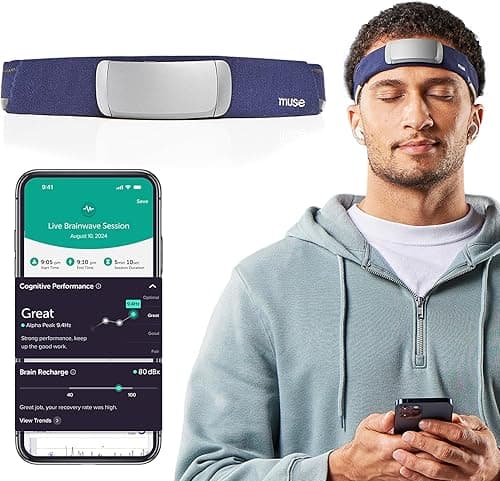
Muse S Gen 2 Headband
Soft fabric EEG headband for both meditation and overnight sleep tracking.
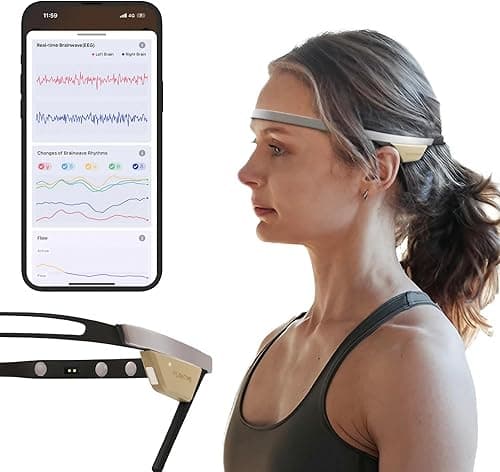
Flowtime Biosensing Meditation Headband
Budget biosensing headband — EEG plus HRV training without the Muse premium.
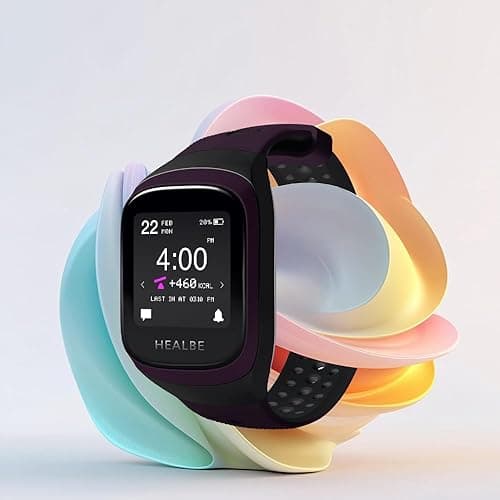
Apollo Neuro Wearable
Vibration-based wearable for stress relief and sleep, with growing clinical evidence.
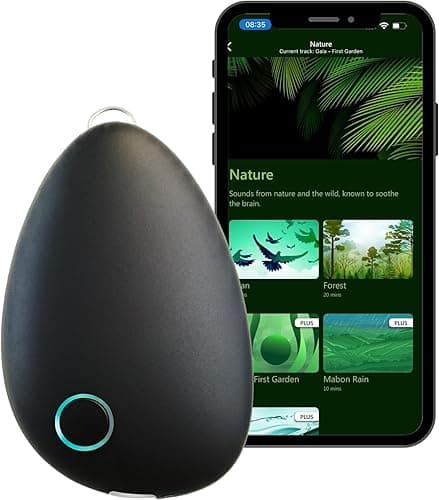
Sensate 2 Relaxation Device
Vagus nerve relaxation device using infrasound vibration for stress and anxiety relief.
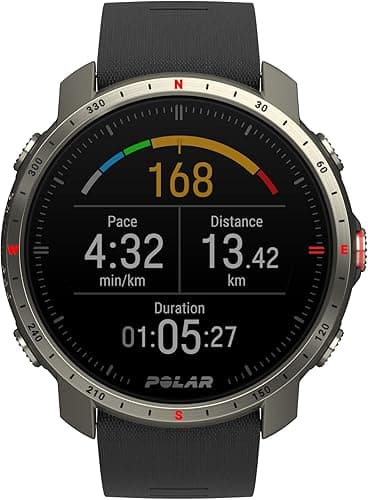
Polar H10 Heart Rate Sensor
The gold-standard chest strap for HRV and heart rate — ANT+ and Bluetooth in one.
Frequently asked
- Is Muse 2 or Muse S better?
- Neither is strictly better — they solve different problems. Muse 2 is a $250 hard-band headband built for seated meditation sessions. Muse S Gen 2 is a $350 soft-fabric band that does everything Muse 2 does plus overnight EEG sleep staging. If you only want meditation feedback, buy Muse 2; the $100 premium for Muse S buys you sleep features you won't use. If you specifically want to track sleep with EEG, Muse S is the only one of the two that can.
- Can you sleep in a Muse 2?
- You can, but you won't want to. Muse 2 is a rigid plastic band with silicone contact points behind the ears, sized for seated use. The battery only runs about five hours of active tracking, which isn't enough for a full night anyway. If sleep tracking is why you're buying a Muse, buy the Muse S Gen 2 — the soft fabric band and 10+ hour battery are the entire reason it costs more.
- Does the Muse headband actually work?
- It does what it claims to do in-session: it reads frontal-lobe EEG activity accurately enough to drive real-time biofeedback audio, and users generally report that the loop helps them notice when their attention drifts. Whether that translates into durable reductions in anxiety or improvements in focus over weeks and months is less settled — most of the supporting studies are short-term, small, or vendor-driven. Treat it as a legitimate biofeedback tool, not as a treatment for anything clinical.
- Muse vs Flowtime — which is better?
- Muse is the more polished product with a better app and more reliable signal quality. Flowtime is about half the price at $170, combines EEG with HRV, and is a defensible way to try biofeedback meditation without the Muse premium. If budget is the binding constraint, start with Flowtime. If you've already confirmed you'll use a biofeedback device regularly, the Muse build quality is worth the extra spend.
- How accurate is Muse sleep tracking?
- Muse S uses frontal EEG plus accelerometer data to estimate sleep stages, which is more direct than the PPG-and-motion approach used by smart rings and smartwatches. Muse publishes its own validation data supporting this, but independent clinical validation at the level of a lab polysomnograph is limited. Practically: the stage data is useful for tracking trends in your own sleep over time, but don't treat any consumer sleep-stage number — Muse, Oura, or otherwise — as clinical-grade.
Sources
- [1]Muse Research Page · InteraXon / Muse · 2026-01-01unverified
- [2]An Overview of Heart Rate Variability Metrics and Norms · Frontiers in Public Health · 2017-09-28
- [3]Critical Review of Transcutaneous Vagus Nerve Stimulation: Challenges for Translation to Clinical Practice · Frontiers in Neuroscience · 2020-04-28
- [4]Amazon product listings (current pricing) · Amazon.com · 2026-04-09
Related reading
More from the desk
Buying guides
WHOOP 4.0 vs Oura Ring Gen 4: which recovery wearable is actually worth it in 2026
Honest WHOOP vs Oura comparison for 2026 — 3-year subscription math, HRV and sleep accuracy, strain vs readiness, and which one fits your actual use case.
Buying guides
Apollo Neuro for Sleep: Does the Vibration Actually Help You Fall Asleep? (2026 Honest Take)
Apollo Neuro for sleep, evaluated honestly. What Sleep mode actually does, what the evidence shows, and how it stacks up against Sensate, Muse S, and a $65 baseline.
Buying guides
Apollo Neuro for sleep in 2026: does the $350 wearable actually help you fall asleep? An honest review
An honest review of Apollo Neuro's Sleep mode at $350 — what it does, who it helps, and the $250 sleep stack that covers most of the same ground.