Buying guides
Pulsetto vs Sensate: which "calm your vagus nerve" device actually delivers?
Pulsetto and Sensate both promise a calmer nervous system but work on different mechanisms. Here's the honest side-by-side — and who should buy which.
“Transcutaneous vagus nerve stimulation has promising results across small studies, but the field needs larger, sham-controlled trials before any device should be sold as a depression or anxiety cure.”
The quick verdict
If you just want the answer: Pulsetto wins on mechanism specificity — it's actual transcutaneous electrical vagus nerve stimulation, the same class of device as the FDA-cleared clinical units. Sensate wins on experience — a pebble on your chest, ten minutes of low-frequency vibration, and you feel noticeably calmer by the time the session ends. Pulsetto has the better evidence story. Sensate has the better ritual. If that's all you needed, stop here and buy the one whose trade-off you prefer.
If you want to know why we frame it that way — and why these two devices shouldn't really be compared like-for-like in the first place — keep reading.
What each device actually does
This is the part most comparison posts skip, and it's the most important thing on this page.
Pulsetto is an electrical tVNS device. You wear it around your neck like a collar; two electrode pads sit over the cervical branches of the vagus nerve and deliver low-amplitude electrical pulses during a 4–20 minute session. The mechanism is the same class as the FDA-cleared prescription tVNS devices used in migraine and treatment-resistant depression research.
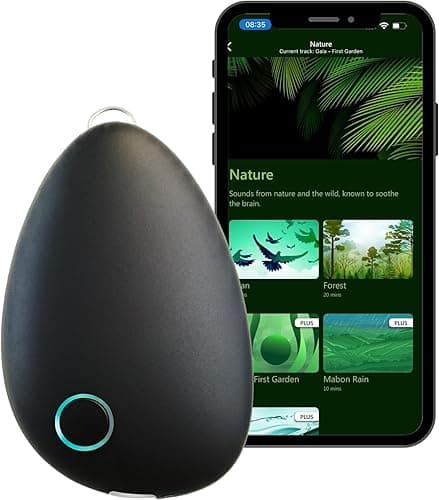
Sensate is a vibroacoustic device. A polished pebble rests on your sternum and vibrates at low ("infrasonic") frequencies, synced to a paired soundscape in the app. The marketing claim is that bone-conducted low-frequency vibration stimulates vagal tone and triggers the parasympathetic relaxation response.
These are not the same category of device. They are sold against the same pain point — "calm your nervous system" — but the mechanisms, the evidence bases, and the user experiences are different. Anyone framing them as apples-to-apples is, intentionally or not, being nudged by marketing.
What the evidence actually says
For tVNS (the Pulsetto mechanism), there's a growing clinical literature — dozens of small RCTs across anxiety, depression, inflammation, and stress endpoints. The critical review most cited in the field is Yap et al. 2020 in Frontiers in Neuroscience, which is direct: the signal is real, the protocols are inconsistent, and the trials are too small to draw definitive conclusions yet. The FDA has cleared non-invasive vagus nerve stimulators in the device class Pulsetto sits in — though it's worth being precise: Pulsetto itself is sold as a wellness device, not a cleared medical one. What it has is mechanism lineage, not regulatory standing.
For vibroacoustic therapy (the Sensate mechanism), there's older literature on low-frequency sound and vibration for relaxation and pain. The specific claim that a chest-worn pebble tones the vagus nerve via bone conduction has very little direct validation. What the device reliably does is induce a relaxation response during the session — which is real, measurable, and useful, but is not the same thing as "vagal toning" as a durable physiological change.
As our editorial caveat puts it: the tVNS field is promising, but no consumer device should be marketed as a depression or anxiety cure until the trials are larger and sham-controlled. That's the honest frame for Pulsetto. Sensate sits one step further out — a pleasant physiological intervention whose specific vagal claim is softer than its marketing.
For the longer version of the evidence walk-through, we wrote a dedicated piece on the vagus nerve device category.
What Pulsetto feels like
Pulsetto is active. You put it on, you sit still, you pick a mode, and you feel the stimulation — a tingly, slightly buzzy pulse along the side of your neck. Most users adjust the intensity up over the first week as the sensation stops being novel. There's a small but real learning curve: electrode placement matters, and a poorly-placed session is a dud.
The honest timeline is 2–3 weeks of daily use before you can meaningfully judge whether it's doing anything for you. Side effects are mild and local — occasional chin-tingling or mild jaw tension that resolves within the session. It doesn't feel magical. It feels like a physical thing happening to a specific nerve, which is what it is. Our deeper Pulsetto review has the long version.
What Sensate feels like
Sensate is the opposite. You lie down, you put on the app's audio, you rest the pebble on your sternum, and within about ninety seconds you notice your breathing slow down. The vibration is pleasant and immediate. By the end of a ten-minute session you feel calmer the same way you would after a good guided meditation.
The honest question — and this is where honest reviewers part ways with marketing reviewers — is whether the effect outlasts the session, and whether you're buying a vagus-nerve intervention or a very well-designed guided-nap delivery system. Both descriptions are defensible. It depends on which framing the buyer can live with.
Side-by-side
| Pulsetto | Sensate 2 | |
|---|---|---|
| Mechanism | Transcutaneous electrical tVNS | Vibroacoustic (chest vibration + audio) |
| Form | Neck-worn collar | Pebble on sternum |
| Session length | 4–20 minutes | ~10 minutes |
| Sensation | Active electrical pulse | Passive vibration |
| App required | Yes | Yes |
| Subscription | No | No |
| Evidence class | Growing tVNS RCT literature | Older relaxation literature; specific vagal-toning claim is thin |
| Who it's for | Active users comfortable with a learning curve | Passive users who want an easy daily ritual |
Current pricing shifts with promotions; check the product pages for today's numbers.
Woo-Woo Meter ratings
We rate each device separately because the mechanisms sit in different places.
- Pulsetto — 2/5 Woo-Woo. Real electrical mechanism, credible clinical lineage, evidence still early. This is solidly "emerging clinical" territory.
- Sensate — 3/5 Woo-Woo. The device does something — vibroacoustic relaxation is a real physiological effect. Whether that something is specifically "vagal toning" in the way the label suggests is the softer claim. Pleasant, effective-at-what-it-does, marketing-forward.
If the 2-vs-3 distinction is doing work for you, we explain the scale in the Woo-Woo Meter page. The short version: 2 is "mechanism is plausible, evidence is real but early." 3 is "mechanism is plausible but the specific marketed claim runs ahead of the evidence."
Who should buy which
Buy Pulsetto if: you want mechanism specificity, you're comfortable running an active daily device protocol, you have a specific stress or anxiety target in mind, and you'll actually commit to six weeks of daily sessions before judging it. You care more about "is the mechanism real?" than "does this feel nice?"
Buy Sensate if: you want the lowest-effort possible nervous-system ritual, you already meditate or nap and want a physical anchor for the habit, and you're okay with the honest framing that part of what you're paying for is the user experience itself. You care more about "will I actually use it?" than "what does the literature say?"
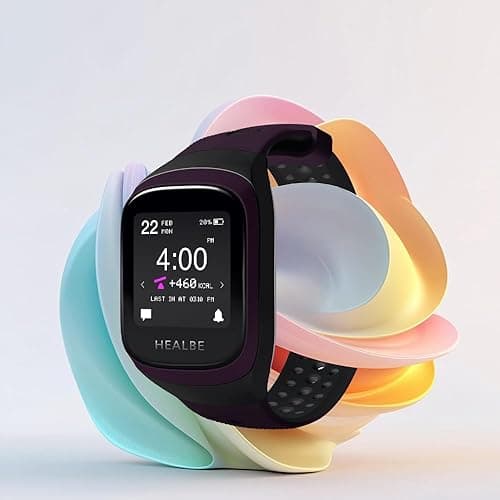
Consider an alternative if: you want a cheaper entry into the tVNS category — Truvaga is a handheld from the company behind the FDA-cleared clinical gammaCore device, with stronger clinical lineage than either of the two above. If you want a passive wearable that nudges autonomic state all day rather than a focused session device, look at the Apollo Neuro. If you'd rather see your own data than feel a device — biofeedback over stimulation — the HeartMath Inner Balance shows you HRV-driven coherence in real time for less than either of the primary two.
The honest take
If we had to hand one device to a stressed friend tomorrow with no prior context, it would be Pulsetto. The mechanism is the more defensible one. The price-per-evidence ratio is better. The published literature, while early, points in the right direction for the thing the device actually does.
Sensate is a beautiful object and a pleasant ritual — genuinely. But you could get most of its effect for free with a guided breathing app, a weighted chest cushion, and ten minutes of actually lying down. What Sensate sells that a free app doesn't is the haptic anchor and the design. If that's worth the price to you, it's a fine buy. Just know what you're buying.
The category mismatch is the point of this post. Don't let the shared "vagus nerve" marketing convince you these two devices are the same kind of purchase. One is a consumer version of a clinical device class. The other is a very well-made relaxation ritual with vagal marketing stapled on top. Both are valid. They're not interchangeable.
Products mentioned in this post
Pulsetto Vagus Nerve Stimulator
App-controlled non-invasive vagus nerve stimulator for stress, sleep, and anxiety.
Sensate 2 Relaxation Device
Vagus nerve relaxation device using infrasound vibration for stress and anxiety relief.
Truvaga Vagus Nerve Stimulator
Handheld clinical-grade vagus nerve stimulator — quick daily sessions.
Apollo Neuro Wearable
Vibration-based wearable for stress relief and sleep, with growing clinical evidence.

HeartMath Inner Balance Sensor
HeartMath's HRV biofeedback sensor for coherence and resilience training.
Frequently asked
- Can I use Pulsetto and Sensate together?
- Yes — they're not mechanistically conflicting, and the daily sessions are short enough to stack. In practice, most people won't sustain two separate rituals. If you're choosing because you can only commit to one, we'd pick Pulsetto for the stronger evidence story and Sensate for the easier daily adherence.
- Does insurance cover either device?
- No. Both are sold as wellness devices, not prescribed medical devices. FSA/HSA coverage varies by plan and by what your plan considers eligible — check with your administrator before assuming either qualifies.
- Do either of them actually tone the vagus nerve long-term?
- Honestly: we don't know yet. The tVNS literature (Pulsetto's mechanism class) has encouraging short-term effect sizes on anxiety and stress endpoints but is still short on large sham-controlled trials. The vibroacoustic literature is older and less specific to vagal outcomes. Anyone promising durable vagal toning from a consumer device is overselling the evidence.
- Can I get the same effect for free?
- Partially. Slow-breathing protocols (around 6 breaths per minute) reliably shift HRV and parasympathetic state without any hardware. A free guided breathing app plus ten minutes of lying down will get you most of what the Sensate session delivers. The Pulsetto mechanism — direct electrical stimulation of the vagus nerve — has no free equivalent.
- Which has the better return policy?
- Both offer trial periods through their direct-from-brand channels, and both are available on Amazon under Amazon's standard return window. Terms change — check the current policy at checkout. Given both devices need weeks of daily use before you can judge them, a generous trial window matters more than a few dollars of price difference.
Sources
- [1]Critical Review of Transcutaneous Vagus Nerve Stimulation: Challenges for Translation to Clinical Practice · Frontiers in Neuroscience · 2020-04-28
- [2]510(k) Premarket Notification — Non-invasive Vagus Nerve Stimulator · U.S. Food and Drug Administration · 2017-04-18unverified
- [3]Amazon product listings (current pricing) · Amazon.com · 2026-04-09
Related reading
More from the desk
Buying guides
Pulsetto vs Truvaga: which vagus nerve stimulator actually delivers in 2026 (honest comparison)
Pulsetto and Truvaga both cost $250–$270 and target the same vagus nerve. Here's the honest head-to-head — app vs. clinical lineage, who should buy which.
Buying guides
Biofeedback for anxiety: which devices actually work in 2026 (an honest review)
Honest 2026 guide to biofeedback devices for anxiety — HeartMath, Muse 2, Pulsetto, Sensate, Apollo Neuro. Real evidence, real prices, Woo-Woo Meter ratings.
Buying guides
Best Vagus Nerve Stimulation Devices in 2026: Honest Rankings
We ranked the top vagus nerve stimulation devices for 2026 by evidence, build quality, and value. Honest picks with Woo-Woo Meter ratings for each.