
Buying guides
HeartMath Inner Balance Honest Review: Is the OG HRV Biofeedback Sensor Worth $180 in 2026?
Honest review of HeartMath Inner Balance at $180 — 25 years of coherence research, dated UX, and how it stacks up against Apollo, Pulsetto, and Sensate.
“Coherence training via biofeedback is one of the older, better-validated forms of consumer-accessible nervous system regulation.”
A therapist mentioned it. A podcast guest swore by it. A friend who is into "coherence" made it sound like the only stress device with actual research behind it. Now you're staring at the HeartMath Inner Balance sensor — a small Bluetooth clip that retails around $180 — wondering whether a 25-year-old product with a 2010-aesthetic app is the right $180 to spend in a world that also sells Apollo Neuro at $350 and Pulsetto at $269.
The short version: the science is more solid than the user experience. HeartMath has more peer-reviewed research behind it than almost any other consumer stress device, and the durable benefit — a learned breathing skill that transfers off the device — is real. The product itself looks like it was designed in 2012, because it was. We rate it Woo-Woo 2 out of 5: real mechanism, real evidence, dated UX, and marketing that occasionally drifts past what the data supports.
What HeartMath Inner Balance actually is
Inner Balance is a fingertip or earlobe pulse sensor that pairs with HeartMath's app. You sit, breathe at a paced rhythm (usually around six breaths per minute), and watch a real-time graph of your heart rate variability. The goal is "coherence" — a state where your HRV trace becomes a smooth, high-amplitude sine wave oscillating at roughly 0.1 Hz. The app gives you a coherence score in real time and pushes you toward a green "high coherence" zone.
Stripped of the institutional framing, that's it: paced breathing with closed-loop biofeedback. No haptic vibration, no electrical stimulation, no EEG. Just your pulse, a screen, and a breathing target. Sessions run 5–15 minutes. Pricing sits around $180 according to current Amazon listings.
The science: 25+ years of HRV biofeedback research
"Coherence training via biofeedback is one of the older, better-validated forms of consumer-accessible nervous system regulation."
That framing matters because most stress wearables compete on novelty. HeartMath competes on a research base that genuinely predates the entire wellness-tech category. The HeartMath research library lists hundreds of peer-reviewed and conference papers spanning workplace stress, anxiety, PTSD adjuncts, and HRV-as-resilience-marker.
The broader HRV science HeartMath rides on is even stronger. Shaffer & Ginsberg's 2017 overview in Frontiers in Public Health is the foundational reference for HRV as a validated biomarker of autonomic balance. Resonance-frequency breathing — the technique Inner Balance trains you in — has its own independent literature outside HeartMath, with dozens of small RCTs across anxiety, hypertension, and asthma endpoints.
This is unusual ground for a $180 stress device. Compare it to the broader vagus-nerve-stim evidence base, which has fewer trials and shorter follow-up windows. Compare it to Apollo Neuro's published studies, which are mostly small and frequently involve investigators with ties to Apollo Health. HeartMath's published base is older, larger, and more independent.
Honest caveat: a lot of the HeartMath-branded research is institutional, single-arm, or measures short-term coherence rather than durable clinical outcomes. The coherence concept itself is well-defined operationally; the bigger "heart-brain coherence" framing the company markets goes further than the published data supports. Both things can be true.
What it actually feels like to use in 2026
The sensor pairs over Bluetooth in about ten seconds. The clip on your earlobe is unobtrusive; the fingertip clip is fine for a desk session. Battery is rechargeable USB-C on the current generation, and the hardware itself works reliably.
The app is the part that hasn't aged gracefully. The UI looks like an iPad app from 2014. Menus are layered, settings are buried, and the visualizations have not seen a serious redesign in years. The breathing pacer works. The coherence score updates in real time. The sessions are effective. But if you are coming from a beautifully designed Oura or Whoop experience, the contrast is jarring.
That said: the closed-loop part actually works. You can feel the trace push into the green zone when your breathing locks into the resonance frequency. Within two or three sessions, most users can hit coherence on demand. That immediate feedback is the entire point, and the dated app does not break the mechanism.
What 4–8 weeks of daily use actually looks like
User-reported outcomes converge on three things:
- Better in-the-moment stress reactivity. People who do 5–10 minutes of coherence training before a stressful meeting or presentation report feeling steadier. This is consistent with the published acute-effect literature.
- A modestly higher baseline HRV over weeks — though this is heavily confounded by sleep, alcohol, and exercise, and HeartMath alone is rarely the swing factor in your overall HRV trend.
- A learned skill that transfers off the device. This is the most interesting durable benefit. After a few weeks, most users can drop into resonance-frequency breathing without the sensor. The device functions as training wheels.
Honest about placebo: any 5–15 minute structured breathing practice probably does most of this. The Inner Balance edge is that real-time biofeedback shortens the learning curve and gives you a measurable target, which sustains adherence longer than an unguided breathing app for most people.
HeartMath vs. Apollo vs. Pulsetto vs. Sensate vs. Muse — which one for which buyer
Each of these targets nervous-system regulation through a different mechanism. Picking one is mostly about which mechanism you'll actually use:
- HeartMath Inner Balance (~$180) — active learning, you do the work. Closed-loop HRV biofeedback. Best for people who like to train a skill and want quantified progress.
- Apollo Neuro (~$350) — passive haptic vibration on the wrist or ankle. Wear-and-forget. Best for people who already have a wind-down routine and want a tactile cue. Our Apollo Neuro honest review covers the trade.
- Pulsetto (~$269) — electrical transcutaneous vagus nerve stimulation, neck-worn. The most direct mechanistic bet on the parasympathetic pathway. The Yap et al. 2020 tVNS review covers the underlying anxiety literature. See our Pulsetto honest review.
- Sensate 2 (~$300) — sub-audible bone-conduction vibration on the sternum. One-time purchase, no app friction. Our Pulsetto vs. Sensate breakdown explains the mechanistic difference.
- Muse S Gen 2 — EEG-based meditation feedback, more meditation-focused than stress-acute. Different category, similar idea (closed-loop biofeedback) on a different signal.
For a wider category map, our best vagus nerve devices 2026 round-up covers the full mind-stress lane.
Could you just use Oura/Whoop and a free breathing app instead?
This is the question almost no other HeartMath review will answer. Honest answer: partially, yes.
If you already own an Oura Ring or Whoop strap, you have a lagging HRV trend already. Pair that with a free Box Breathing or 4-7-8 app and you have replicated maybe 60% of HeartMath's value for $0. You'll learn paced breathing, you'll see your HRV trend over weeks, and you'll get most of the durable skill-transfer benefit. Our Oura vs. Apple Watch for sleep comparison covers HRV tracking on those devices.
What you lose: real-time intra-session feedback. Most free breathing apps don't show your HRV pushing into resonance as you breathe. That immediate closed loop is what HeartMath does well, and it's the single feature that justifies the $180.
If you want to validate whether HeartMath is actually moving your HRV, the Polar H10 chest strap paired with an HRV4Training-style app is the reference measurement stack researchers use. Around $90, more accurate than a fingertip sensor for trend work.
What HeartMath's marketing oversells
The published HRV-coherence research is solid. The marketing layer on top is not always.
Specifically: "heart-brain coherence" framed as a discrete, measurable physiological state with downstream cognitive consequences goes past the data. The "electromagnetic field of the heart" claims that occasionally show up in HeartMath-adjacent material edge into territory the peer-reviewed work does not support. Some of the institutional/global-coherence framing is interesting speculative writing; it is not science.
You can use Inner Balance and benefit from it without buying any of that. The mechanism that matters — paced breathing in the 0.1 Hz band, biofeedback-shortened learning curve, durable skill transfer — works regardless of whether you accept the broader institutional narrative. We'd recommend ignoring the heart-brain-coherence framing and using the device as a paced-breathing trainer, which is what it actually is.
Who should buy Inner Balance, and who should skip it
Buy if:
- You respond well to closed-loop feedback and want to train a measurable skill.
- You've tried free breathing apps and bounced off because the unguided practice felt aimless.
- You want a clinically-derived tool with a long research base and don't need a polished UI.
- You like the idea of acute pre-stress sessions (before meetings, before sleep) more than all-day passive wear.
Skip if:
- You want a wear-it-and-forget-it device — get Apollo Neuro instead.
- You have specific anxiety symptoms you're trying to address mechanistically — consider Pulsetto or Truvaga for a more direct vagal intervention.
- You already own an Oura or Whoop and use a breathing app daily — you've replicated most of the value.
- You will be put off by a dated UI to the point of not opening the app. Adherence is the whole game; if the UX kills your habit, the science doesn't matter.
For a sibling biofeedback option at a similar price point, the biofeedback home training device covers a broader signal set, though without HeartMath's research lineage.
The Wellness Devices verdict
Woo-Woo 2 out of 5. HeartMath Inner Balance is one of the rare consumer wellness devices where the underlying mechanism is well-validated, the published research is unusually deep, and the durable benefit — a learned breathing skill — actually transfers off the device. The hardware is showing its age and the app needs a redesign that may never come. The marketing layer occasionally drifts past what the data supports. None of that breaks the core training loop.
For the right buyer — someone who likes active, closed-loop biofeedback and doesn't mind dated UX — it's a defensible $180. For everyone else, the modern mind-stress aisle has cheaper passive options (Apollo, Sensate) and more direct mechanistic options (Pulsetto, Truvaga) that may serve you better. Our full rubric on what the rating means is at what is the Woo-Woo Meter.
If you buy it, commit to four weeks of near-daily 5–10 minute sessions. The device's value lives almost entirely in the skill it teaches you, not in the device itself.
Products mentioned in this post
HeartMath Inner Balance Sensor
HeartMath's HRV biofeedback sensor for coherence and resilience training.
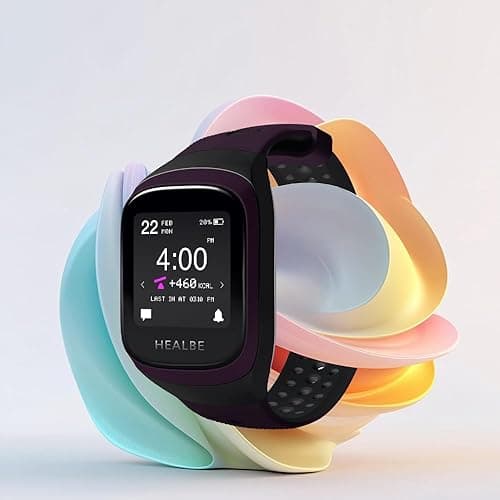
Apollo Neuro Wearable
Vibration-based wearable for stress relief and sleep, with growing clinical evidence.
Pulsetto Vagus Nerve Stimulator
App-controlled non-invasive vagus nerve stimulator for stress, sleep, and anxiety.
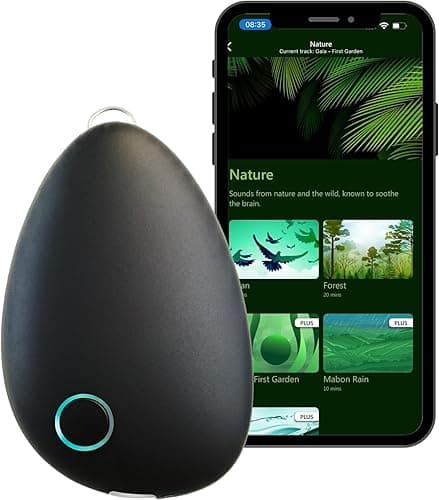
Sensate 2 Relaxation Device
Vagus nerve relaxation device using infrasound vibration for stress and anxiety relief.
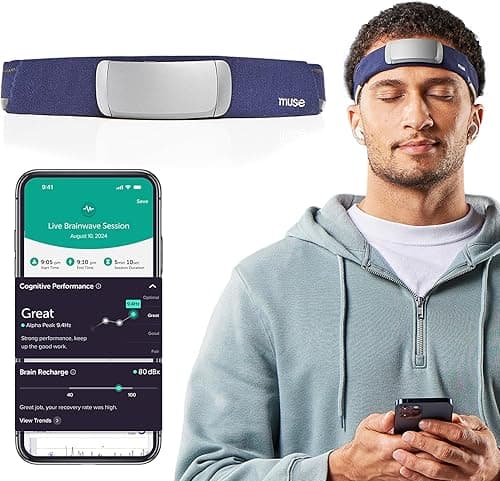
Muse S Gen 2 Headband
Soft fabric EEG headband for both meditation and overnight sleep tracking.
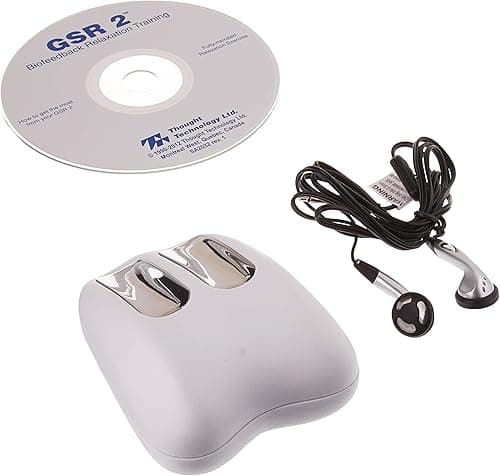
Biofeedback Home Training Device
Home biofeedback training system for stress management and self-regulation.
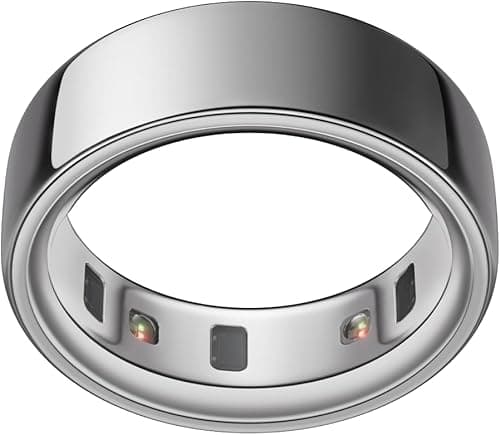
Oura Ring Gen 4 - Heritage
Premium smart ring for sleep, HRV, and daily readiness — no subscription needed for the basics.
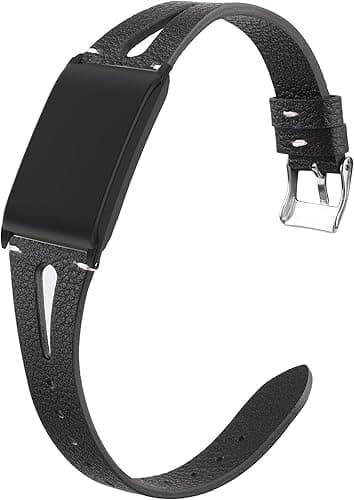
Whoop 4.0 Strap
Subscription-based recovery and strain tracker favored by athletes and high performers.
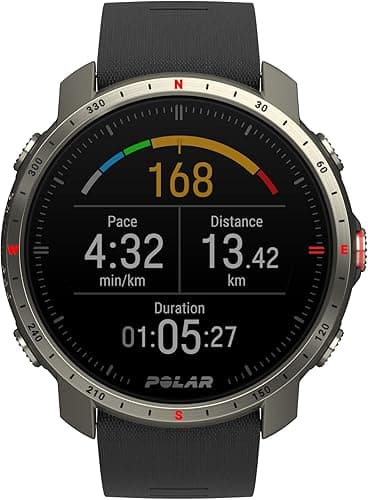
Polar H10 Heart Rate Sensor
The gold-standard chest strap for HRV and heart rate — ANT+ and Bluetooth in one.
Truvaga Vagus Nerve Stimulator
Handheld clinical-grade vagus nerve stimulator — quick daily sessions.
Frequently asked
- Is HeartMath Inner Balance worth $180 in 2026?
- For the right buyer, yes. The underlying HRV biofeedback mechanism has 25+ years of clinical literature behind it, and the durable benefit — a learned paced-breathing skill that transfers off the device — is real. The product itself shows its age, particularly the app UI. If you respond well to closed-loop feedback and want to train a measurable skill, it's a defensible $180. If you want passive wear-and-forget stress reduction, Apollo Neuro is a better fit; if you want a more direct mechanistic intervention, Pulsetto or Truvaga go further on the vagal pathway.
- Does HeartMath actually work, or is it pseudoscience?
- The core mechanism — paced breathing at roughly 0.1 Hz, with real-time HRV biofeedback — is well-validated. Resonance-frequency breathing has independent published evidence for acute stress reduction and HRV improvement, separate from HeartMath's own research library. Where the company drifts past the data is in the broader 'heart-brain coherence' framing and electromagnetic-field claims. You can benefit from the device while ignoring the institutional narrative — the training loop works regardless.
- HeartMath Inner Balance vs. Apollo Neuro — which should I buy?
- Different mechanisms and different commitments. HeartMath is active learning: you do 5–15 minute closed-loop sessions and train a skill. Apollo Neuro is passive: you wear a vibration band and let it cue your nervous system. HeartMath has a deeper published research base; Apollo has a more polished product and lifestyle-friendly form factor. If you want quantified training and don't mind dated UX, HeartMath. If you want a tactile cue that fits into a daily routine without app friction, Apollo. Apollo also costs nearly twice as much.
- Can I just use my Oura or Whoop with a free breathing app instead?
- Partially, yes. If you already own an Oura or Whoop you have a lagging HRV trend, and a free Box Breathing or 4-7-8 app gives you the paced-breathing practice. That replicates roughly 60% of HeartMath's value for $0. What you lose is real-time intra-session feedback — most free apps don't show your HRV pushing into resonance as you breathe. That closed loop is the single feature that justifies the $180. If you've never tried structured breathing, start with a free app; if you've bounced off free apps, the biofeedback edge can sustain adherence.
- How long until HeartMath Inner Balance starts working?
- Most users can hit coherence on demand within 2–3 sessions — that's the immediate skill-acquisition phase. Durable changes in baseline HRV and stress reactivity take 4–8 weeks of near-daily 5–15 minute sessions, and they're heavily confounded by sleep, exercise, and alcohol. The most reliable durable benefit is the learned breathing skill itself, which transfers off the device after a few weeks. If you're not opening the app daily, you will not get the benefit.
- Is the HeartMath app any good in 2026?
- The app works, but it has not aged gracefully. The UI looks like an iPad app from 2014, menus are layered, and the visualizations haven't been redesigned in years. The breathing pacer and coherence score are functional and reliable; the closed-loop feedback works as intended. If you're coming from polished modern wellness apps like Oura or Whoop, the contrast is jarring. The dated UX is the single biggest reason most users bounce off the device early.
Sources
- [1]HeartMath Research Library · HeartMath Institute · 2026-01-01unverified
- [2]An Overview of Heart Rate Variability Metrics and Norms · Frontiers in Public Health · 2017-09-28
- [3]Critical Review of Transcutaneous Vagus Nerve Stimulation: Challenges for Translation to Clinical Practice · Frontiers in Neuroscience · 2020-04-28
- [4]Amazon product listings (current pricing) · Amazon.com · 2026-04-09
Related reading
More from the desk
Buying guides
Biofeedback for anxiety: which devices actually work in 2026 (an honest review)
Honest 2026 guide to biofeedback devices for anxiety — HeartMath, Muse 2, Pulsetto, Sensate, Apollo Neuro. Real evidence, real prices, Woo-Woo Meter ratings.
Category deep-dives
Pulsetto review: is the breakout vagus nerve device worth $270?
Pulsetto became the most-searched vagus nerve device in 2025. Here's our straight-talk review — what it is, what the evidence says, and whether it earns its price.
Category deep-dives
Vagus nerve devices: what the evidence actually says
Non-invasive vagus nerve stimulation went from obscure neurology to consumer wellness in 18 months. Here's our honest read on the evidence — and what to make of the consumer devices selling it.