Buying guides
Best Vagus Nerve Stimulation Devices in 2026: Honest Rankings
We ranked the top vagus nerve stimulation devices for 2026 by evidence, build quality, and value. Honest picks with Woo-Woo Meter ratings for each.
“Transcutaneous vagus nerve stimulation has promising results across small studies, but the field needs larger, sham-controlled trials before any device should be sold as a depression or anxiety cure.”
Every "best vagus nerve devices" list on the internet right now reads the same way: five products, affiliate links, no evidence discussion, no methodology. Most of them can't tell you how tVNS actually works or why two of the four devices they recommend don't stimulate the vagus nerve at all.
We scored these devices against published evidence, stimulation specs, build quality, app experience, and long-term cost. We also gave each one a Woo-Woo Meter rating — our transparent scale for how far ahead the marketing has run from the science.
What Vagus Nerve Stimulation Actually Does (and Doesn't Do)
Transcutaneous vagus nerve stimulation (tVNS) sends mild electrical pulses through the skin to branches of the vagus nerve — the longest cranial nerve, running from brainstem to gut. Stimulating it shifts your autonomic nervous system toward parasympathetic ("rest and digest") dominance. The measurable proxy is heart rate variability (HRV): higher HRV generally correlates with better stress resilience and recovery.
The clinical literature on tVNS is real but early. A 2020 critical review in Frontiers in Neuroscience found promising results across dozens of small studies — anxiety, depression, inflammation — but flagged that most trials were small, used different protocols, and lacked adequate sham controls. The FDA has cleared one non-invasive VNS device (gammaCore) for specific conditions like cluster headache, but that clearance doesn't extend to the consumer devices below.
For the full evidence picture, read our deep dive on vagus nerve device evidence. The short version: the mechanism is real, the preliminary data is encouraging, and the consumer products are making claims the science hasn't fully validated yet.
How We Scored These Devices
We evaluated each device on six dimensions:
- Evidence base — published studies on the specific device or its underlying technology
- Stimulation parameters — frequency, waveform, and how they compare to clinically validated protocols
- Comfort and build — materials, fit, session experience
- App quality — interface, data tracking, no dark patterns or subscription pressure
- Cost over one year — purchase price plus any subscriptions, divided by daily use
- Return policy and support — how easy it is to try risk-free
We also included two devices that don't use electrical vagus nerve stimulation — Sensate 2 and Apollo Neuro — because the same buyer is cross-shopping them for the same problem. We're honest about the category difference.
Best Overall: Pulsetto
Woo-Woo Meter: 3 | View product
Pulsetto wins on balance, not on any single dimension. It has the largest user base among consumer tVNS devices, a genuinely good app with no subscription, a neck-worn form factor that lets you sit still during sessions, and a price point around $270.
The caveats are real. Pulsetto is CE-marked as a wellness device, not FDA-cleared for any condition. There are no peer-reviewed RCTs of the Pulsetto device specifically — the evidence case rests on the broader tVNS literature using lab-grade devices with similar but not identical stimulation parameters.
For the deep dive, read our Pulsetto honest review. Short version: credible bet for someone who's already done the basics (sleep hygiene, breathwork, movement) and wants hardware on top.
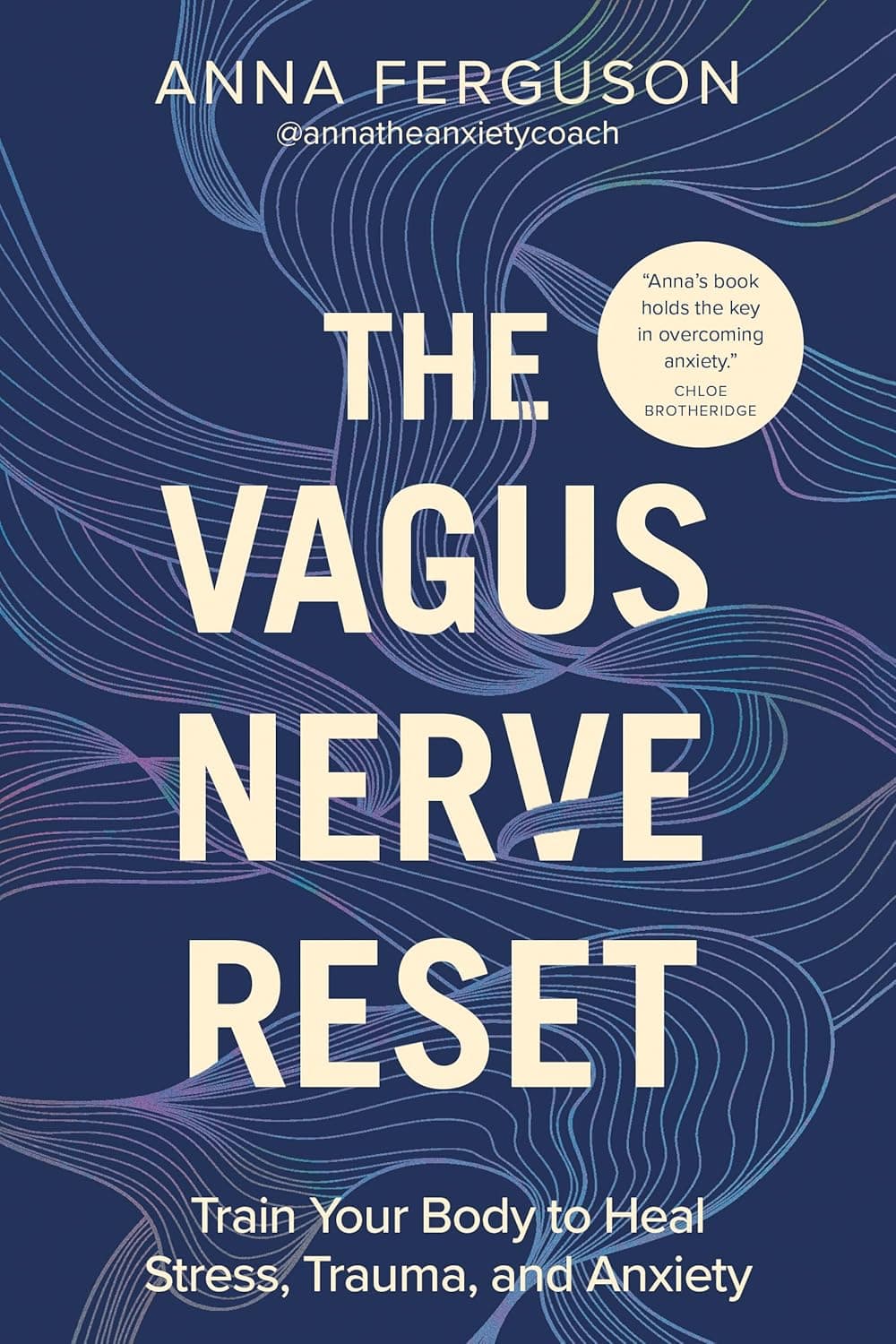
Best Clinical Pedigree: Truvaga
Woo-Woo Meter: 2–3 | View product
Truvaga is the consumer device from electroCore, the company behind the FDA-cleared gammaCore prescription tVNS device. That lineage matters. Truvaga uses the same 5,000 Hz carrier with 25 Hz burst stimulation parameters — the closest you can get to clinically validated specs in a consumer product.
The trade-offs: the app is less polished than Pulsetto's, the handheld form factor means you hold the device to your neck instead of wearing it, the price is higher, and the user community is smaller. If clinical pedigree is what matters most to you, Truvaga has the strongest case.
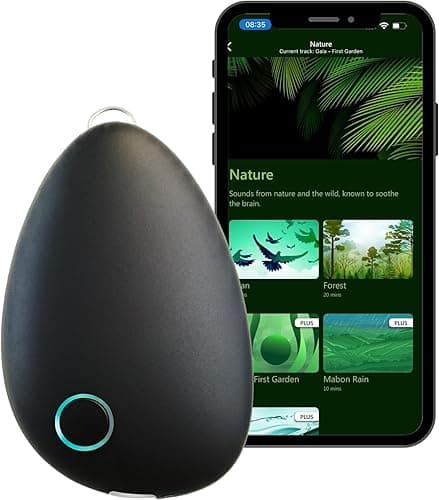
Best for Whole-Body Calm: Sensate 2
Woo-Woo Meter: 3 | View product
Honest disclaimer: Sensate 2 is not a vagus nerve stimulator. It's an infrasonic resonance device that sits on your sternum and delivers low-frequency vibrations paired with soundscapes. The company claims it activates the vagus nerve indirectly through vibroacoustic stimulation, but the mechanism is different from tVNS.
We include it because the same person Googling "best vagus nerve device" is cross-shopping Sensate — and because the subjective experience (deep body calm, parasympathetic shift) targets the same outcome. The published evidence for the specific device is limited. Read our Pulsetto vs Sensate comparison for the head-to-head.
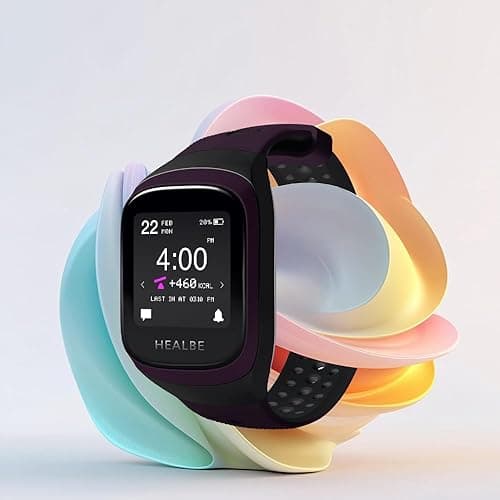
Worth Considering: Apollo Neuro
Woo-Woo Meter: 2 | View product
Apollo Neuro doesn't stimulate the vagus nerve at all. It delivers gentle haptic vibrations through a wrist or ankle band, designed to shift your autonomic state through somatosensory input. Different mechanism, different evidence base, same stressed buyer.
Apollo has its own small published studies showing HRV improvements, and the wearable form factor means you can use it passively throughout the day instead of in dedicated sessions. It earns the lowest Woo-Woo rating in this lineup because the claims stay closer to what the studies actually show.
Who Should Skip Vagus Nerve Devices
Don't buy any of these devices if:
- You have a pacemaker, implanted cardiac device, or seizure history — electrical stimulation near the neck is contraindicated
- You're pregnant — insufficient safety data for any of these devices during pregnancy
- You're looking for a replacement for prescribed anxiety or depression treatment — these are wellness devices, not medical ones
- You haven't tried the free stuff first — slow breathing at roughly 5.5 breaths per minute, cold water on the face, and even gargling all activate the vagus nerve at zero cost
If your stress or anxiety is clinical-grade, talk to a doctor about FDA-cleared options before buying consumer devices.
The Honest Take
The vagus nerve stimulation category earns a 3 on the Woo-Woo Meter overall. The underlying biology — vagal tone, HRV modulation, parasympathetic activation — is well-established. The consumer devices sit in the gap between that established biology and the rigorous, sham-controlled trials that would let anyone promise specific outcomes.
Our recommendations by buyer profile:
- Already done the basics, want hardware: Pulsetto. Best balance of price, experience, and community.
- Evidence quality matters most: Truvaga. Closest stimulation parameters to the clinical literature.
- Passive, all-day calm: Apollo Neuro. Different mechanism, but the most wearable option with modest evidence.
- Meditative body experience: Sensate 2. Not tVNS, but effective for the parasympathetic shift the buyer is actually after.
These devices probably do something real for stress regulation. The published literature supports trying them. It does not support promising you a result. Worth the money if you've already nailed sleep, movement, and breathwork. Not a substitute for professional help if you need it.
Products mentioned in this post
Pulsetto Vagus Nerve Stimulator
App-controlled non-invasive vagus nerve stimulator for stress, sleep, and anxiety.
Truvaga Vagus Nerve Stimulator
Handheld clinical-grade vagus nerve stimulator — quick daily sessions.
Sensate 2 Relaxation Device
Vagus nerve relaxation device using infrasound vibration for stress and anxiety relief.
Apollo Neuro Wearable
Vibration-based wearable for stress relief and sleep, with growing clinical evidence.
Frequently asked
- Do vagus nerve stimulators actually work?
- The short answer: probably, but the evidence is early. Transcutaneous vagus nerve stimulation has dozens of small published studies showing positive effects on anxiety, stress, and HRV. But most of those studies used lab-grade devices, not consumer products. The mechanism is real. The consumer-device evidence gap is also real.
- What is the best vagus nerve stimulation device in 2026?
- For most buyers, Pulsetto offers the best balance of usability, price, and community support. If clinical evidence pedigree matters most to you, Truvaga has the strongest specs — it shares stimulation parameters with the FDA-cleared gammaCore device. Both are credible options with real trade-offs.
- Is Pulsetto or Truvaga better?
- Pulsetto has the better app, neck-worn comfort, and larger user base. Truvaga has the clinical lineage — same company and stimulation parameters as the FDA-cleared gammaCore. Pulsetto is the better consumer experience. Truvaga is the better evidence story. Neither has peer-reviewed RCTs of the specific consumer device.
- Are vagus nerve stimulation devices safe?
- For most healthy adults, yes. The main contraindications are pacemakers or implanted cardiac devices, seizure disorders, and pregnancy. Side effects in published studies are generally mild — skin irritation at electrode sites and occasional headache. If you're on medication that affects heart rate or autonomic function, check with your doctor first.
- Can I stimulate the vagus nerve without buying a device?
- Yes. Slow-paced breathing at about 5.5 breaths per minute, cold water applied to the face, humming, gargling, and even singing all activate the vagus nerve through well-established physiological pathways. These are worth trying before spending money on hardware.
Sources
- [1]Critical Review of Transcutaneous Vagus Nerve Stimulation: Challenges for Translation to Clinical Practice · Frontiers in Neuroscience · 2020-04-28
- [2]510(k) Premarket Notification — Non-invasive Vagus Nerve Stimulator · U.S. Food and Drug Administration · 2017-04-18unverified
- [3]An Overview of Heart Rate Variability Metrics and Norms · Frontiers in Public Health · 2017-09-28
Related reading
More from the desk
Buying guides
Pulsetto vs Truvaga: which vagus nerve stimulator actually delivers in 2026 (honest comparison)
Pulsetto and Truvaga both cost $250–$270 and target the same vagus nerve. Here's the honest head-to-head — app vs. clinical lineage, who should buy which.

Buying guides
Biofeedback for anxiety: which devices actually work in 2026 (an honest review)
Honest 2026 guide to biofeedback devices for anxiety — HeartMath, Muse 2, Pulsetto, Sensate, Apollo Neuro. Real evidence, real prices, Woo-Woo Meter ratings.
Category deep-dives
Pulsetto review: is the breakout vagus nerve device worth $270?
Pulsetto became the most-searched vagus nerve device in 2025. Here's our straight-talk review — what it is, what the evidence says, and whether it earns its price.