Buying guides
Grounding Sheets for Sleep: Honest Review of an Earthing Practice With Real Pilot Data and a Lot of Hype
An honest review of grounding sheets for sleep — what Chevalier 2012 actually showed, what users report, and whether the $80–$200 sheet beats a $30 mat.
“Earthing has real published pilot studies. It also has a lot of marketing claims that go far beyond what the studies show. Both can be true.”
You heard "earthing" on a Huberman clip, in a Ben Greenfield newsletter, or in a Joe Rogan-adjacent thread, and now you're trying to decide whether to drop $80–$200 on a conductive grounding fitted sheet. The pitch is unusual: weave silver or carbon thread through cotton, run a cord to the ground pin of your outlet, and you sleep tied to the same electrical potential as the planet. Believers say it changes everything. Skeptics say it's a placebo wired to a wall.
Here's the actual situation. There is a small, real, mostly-pilot literature suggesting that grounding affects cortisol rhythm and subjective sleep quality. There is also a much larger marketing literature claiming things — anti-aging, free-radical scavenging, EMF protection — that the published studies do not support. Both can be true at the same time. This review walks the line.
The short answer: Woo-Woo 4 out of 5, run a 4-week test before you commit
Grounding sheets sit at the experiential edge of wellness tech. We rate them Woo-Woo 4 out of 5 — real published pilot data, plausible-but-unproven mechanism, marketing that consistently outruns the evidence. Recommended as a 4-week N-of-1 experiment for buyers who already have the obvious sleep fundamentals dialed (light, temperature, caffeine cutoff) and want to test something at the edge. If you want the cheapest possible test of the practice, start with a $30 grounding mat under your feet at the desk and see whether anything shifts before you commit to a sheet. For the full rubric, see what the Woo-Woo Meter means.
What grounding sheets actually are
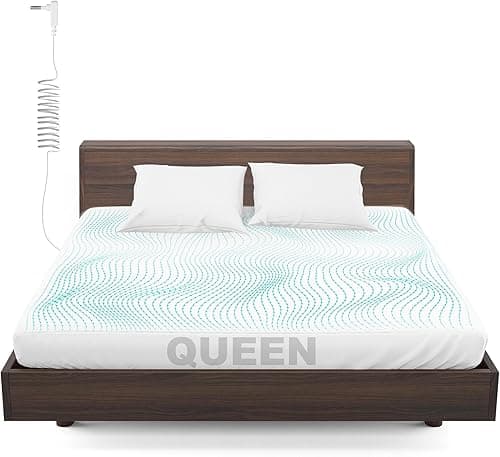
A grounding sheet is a fitted bedsheet woven with conductive thread — typically silver fiber or carbon-coated cotton — connected via a cord to the ground pin of a standard electrical outlet. When you sleep on it, your body sits at earth electrical potential, the same as if you were lying on damp grass with bare skin.
"Earthing" is the underlying hypothesis: that prolonged direct contact with the earth's surface electrons has measurable physiological effects, particularly on inflammation, cortisol rhythm, and sleep quality. Strip the mysticism off and the claim is electrical, not spiritual. Whether the claim is true is a separate question — and one a small number of researchers have actually tried to answer.
What Chevalier 2012 actually showed (and what it didn't)
The foundational reference for the entire grounding category is a 2012 review by Chevalier and colleagues in the Journal of Environmental and Public Health. It is cited by every honest reviewer and ignored by every dismissive one. Read on its own terms, it is more interesting than skeptics give it credit for and much weaker than evangelists imply.
What the review actually contains: a collection of small pilot studies — most with sample sizes in the single or low double digits — measuring effects on diurnal cortisol rhythm, subjective sleep quality, pain ratings, and a handful of inflammation and blood-viscosity markers. The signals are real in the sense that they appear across multiple small experiments. The cortisol rhythm finding in particular — flatter daytime peaks, more normal nighttime troughs after grounded sleep — is the most replicable and the most plausible mechanistically.
What the review does not contain: a single large, pre-registered, sham-controlled randomized trial. Most of the studies share investigators, often with commercial ties to the earthing industry. The endpoints are largely subjective or short-term physiological. There is no Cochrane review, no FDA clearance, no major medical society endorsement. The published evidence is closer to "interesting early data that nobody has bothered to falsify or replicate at scale" than to "proven therapy." Both halves of that sentence matter. See the Chevalier 2012 review directly if you want to read it.
What people actually report after 2-4 weeks of nightly use
Strip the testimonials of marketing language and a consistent pattern emerges. After roughly two to four weeks of nightly use, frequent reports include: faster sleep onset, less restless sleep, fewer middle-of-night wakeups, and occasional reports of unusually vivid dreams in the first week. A smaller subset of users report transient "detox-like" symptoms in the first few days, which we treat skeptically — that framing is far more about marketing narrative than about anything physiological.
Placebo plausibility is high here. You have spent $80–$200 on a sleep intervention, plugged it in, and gone to bed expecting to sleep better. That's an unusually strong expectancy effect even by sleep-product standards. None of this means the sheets don't work — placebo effects are real effects on subjective sleep — but it does mean you should be skeptical of your own first-week impressions. The honest test is whether you still feel the difference at week four, and ideally whether your tracker agrees.
Grounding sheet vs. grounding mat vs. grounding shoes — the decision matrix
If you're going to test earthing, the format matters more than the brand. Three formats, three buyer profiles.
- Grounding fitted sheet (~$80) — the highest-dose, most-researched format. You get 6–8 hours of direct skin contact every night, which is what the published pilot studies actually used. If you're going to commit to the practice, this is the format that matches the literature.
- Grounding mat for desk or floor (~$30) — the cheap-entry test. Lower dose (a few hours of foot contact at the desk, or under-laptop wrist contact) but a quarter of the cost. If you don't know whether you'll respond at all, this is the rational starting point. Many buyers find the mat answers the "do I notice anything?" question for under $30 and skip the sheet entirely.
- Earthing grounding shoes (~$50) — conductive-sole shoes for outdoor walking. In a rural or beach setting these probably do something close to walking barefoot on damp ground. In a city, on dry pavement, the conductivity benefit is largely symbolic. Buy them because you like them, not because you expect a sleep effect.
The matrix in one line: mat for the cheapest test, sheet for the highest-dose nightly practice, shoes for the daytime aesthetic.
What to look for (and avoid) in a grounding sheet
Most reviews skip the boring safety stuff. The boring safety stuff matters more than the brand.
- Conductive material. Silver-fiber sheets conduct better but degrade faster with washing — most lose meaningful conductivity after 30–50 washes. Carbon-coated cotton is less conductive day one but holds up longer. Neither is "better"; they are different durability profiles.
- GFCI outlet test before use. Plug the sheet's grounding cord into a standard outlet only after confirming with a $5 outlet tester that the ground pin is actually grounded. Older homes — particularly anything wired pre-1965 — frequently have outlets that look three-pronged but have no ground connection. Plugging into one of those is the difference between a working sheet and an inert one.
- Never plug into an ungrounded outlet. If your bedroom outlet doesn't pass the test, use a grounding rod adapter into properly grounded soil outdoors, or pick a different room. Don't fake it with a cheater plug.
- Wash with care. Cold water, mild detergent, no fabric softener (it coats the conductive fibers and kills conductivity). Air dry when possible.
These are the four things most "I slept on it for a week" reviews don't tell you. They are also the four things that determine whether you bought a working device or an expensive cotton sheet.
Where the marketing outruns the evidence
Three claims that appear repeatedly in grounding marketing and that the published studies do not support:
- "Free electrons neutralize free radicals." This is a chemistry-flavored gloss on the cortisol and inflammation findings, not a measured outcome. No pilot study has demonstrated direct in vivo free-radical scavenging from grounding. Treat it as marketing.
- "Anti-aging." No published study measures any aging biomarker — telomere length, epigenetic clock, anything — in grounded vs. ungrounded subjects. There is no evidence base for this claim.
- "EMF protection." Grounding the body changes its electrical relationship to ambient fields, but the leap from "changes electrical relationship" to "protects from health effects of EMF" requires evidence of those health effects, which the mainstream literature does not robustly support outside of high-intensity occupational exposure. Skip any grounding product whose primary pitch is EMF protection.
Naming these matters. The honest case for grounding is "small pilot studies suggest effects on cortisol rhythm and subjective sleep." The dishonest case is everything above. Don't pay for the second one.
How to actually test whether it works for you
This is the part almost no competing review covers. If you're going to spend $80–$200 on a sleep intervention, run an actual N-of-1 trial.
The simplest version: pair the sheet with a sleep tracker you already trust and look at the numbers across a four-week window with the sheet vs. a four-week window without. Our Oura vs. Apple Watch for sleep breakdown covers which trackers are actually accurate enough to make this comparison meaningful — short version, an Oura Ring Gen 4 or a Whoop 4.0 strap gives you a usable deep-sleep and HRV signal; a generic smartwatch mostly does not.
What to look for: changes in deep sleep minutes, HRV trend, and resting heart rate during sleep. Subjective "I feel better" is real but easy to fool yourself with. Tracker data isn't gospel either, but a four-week trend is much harder to placebo your way through than a morning self-report.
Who should buy a grounding sheet (and who should skip it)
Buy if you sleep poorly, you've already optimized the obvious stuff (consistent schedule, cool room, no caffeine after noon, dark bedroom), and you're willing to actually run the four-week test with a tracker. The sheet is for buyers who treat it as an experiment, not as a guaranteed fix.
Skip if any of the following: you want the cheapest possible test of the practice (start with the $30 mat), you live in a building you suspect has ungrounded outlets and aren't going to test them, you're expecting it to fix anxiety or chronic illness, or you bought into the EMF / free-radical / anti-aging marketing and that's the reason you're considering it. None of those are reasons supported by the actual evidence.
For sleep stack adjacency, a Manta Sleep Mask Pro and a Hatch Restore 2 sunrise alarm are both higher-confidence sleep purchases at lower price points — if your bedroom isn't already dark and your wake-up isn't already gradual, fix those first.
The honest bottom line
Grounding sheets are a Woo-Woo 4/5 product — real pilot data, real reported subjective effect, marketing claims that exceed the evidence. The most useful framing isn't "is earthing real?" but "if I want to test this, what's the cheapest, most rigorous way to do it?" The answer is: start with the $30 mat under your desk for two weeks. If something shifts — sleep, recovery, mood, anything traceable on a tracker — graduate to the grounding sheet and run a proper four-week trial paired with Oura or Whoop data.
This is the same skeptical-curious posture we've taken on Apollo Neuro, on cold plunge vs. sauna blankets, and on the broader spiritual-energy category. Earthing might do something. It might do nothing. The only way to know is to test it on yourself with instruments you trust, and to refuse to pay for the marketing claims the studies don't actually support.
Products mentioned in this post
Grounding Fitted Sheet
Conductive grounding fitted sheet that turns your bed into an earthing surface.
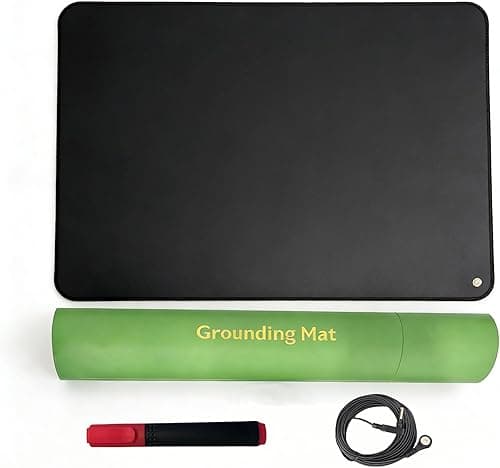
Grounding Mat for Desk/Floor
Earthing grounding mat for desk or bed — the simplest way to start a grounding practice.

Earthing Grounding Shoes
Conductive-sole shoes for staying grounded on city pavement.
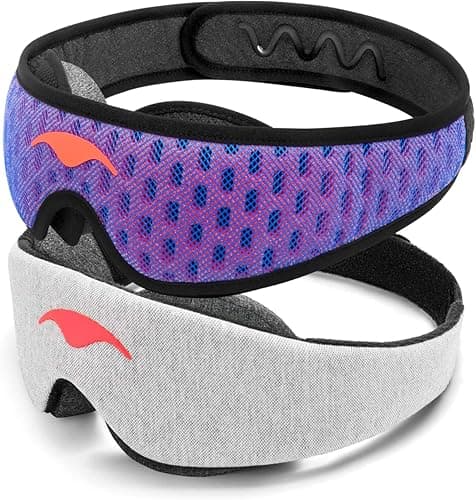
Manta Sleep Mask Pro
Premium contoured sleep mask with zero pressure on your eyes — a top-rated travel pick.
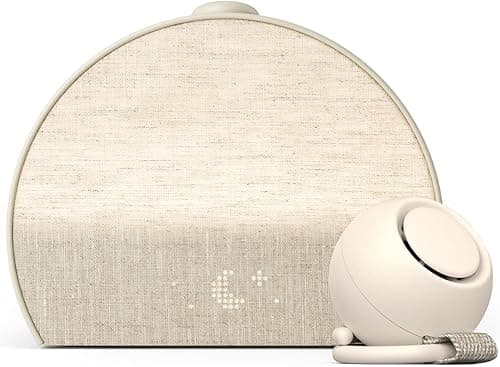
Hatch Restore 2 Sunrise Alarm
Smart sunrise alarm with sound, light, and a TikTok cult following.
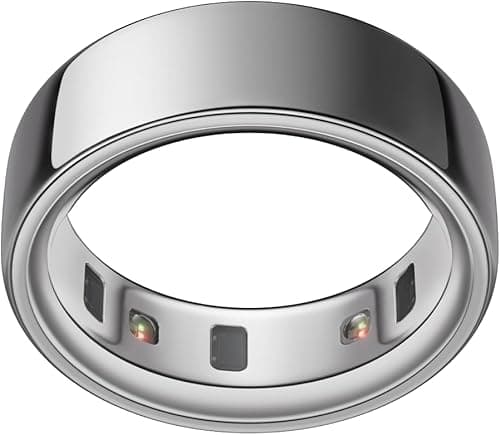
Oura Ring Gen 4 - Heritage
Premium smart ring for sleep, HRV, and daily readiness — no subscription needed for the basics.
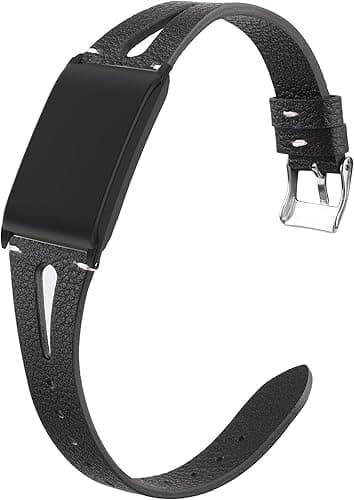
Whoop 4.0 Strap
Subscription-based recovery and strain tracker favored by athletes and high performers.
Frequently asked
- Do grounding sheets actually work for sleep?
- Possibly, for some users — and the published evidence is genuinely thinner than the marketing implies. The Chevalier 2012 review collected small pilot studies showing effects on diurnal cortisol rhythm and subjective sleep quality, mostly with single- or low-double-digit sample sizes and frequently overlapping investigators. There is no large sham-controlled RCT. Honest framing: real but early signal on sleep and cortisol, not proven therapy. Worth a 4-week N-of-1 test, ideally paired with an Oura or Whoop. Not worth treating as a settled treatment.
- Grounding sheet vs. grounding mat — which should I buy first?
- Start with a $30 grounding mat under your feet at the desk before you commit to a $80–$200 sheet. The mat is the cheapest possible test of whether you respond to the practice at all — lower dose, much lower cost. If two weeks of mat use produces nothing you can feel or track, the sheet probably won't either. If something shifts, graduate to the sheet for the higher-dose nightly contact that the published pilot studies actually used.
- Are grounding sheets safe? Any side effects?
- Generally low-risk if used correctly. The non-negotiable: test your outlet's ground pin with a $5 outlet tester before plugging the sheet in. Many older homes have three-pronged outlets that aren't actually grounded. A small subset of first-time users report transient symptoms in the first few days (often framed as 'detox' in marketing — we treat that framing skeptically). The bigger risk is buying an expensive sheet and plugging it into an ungrounded outlet, which makes the entire system inert.
- Do grounding sheets protect against EMF?
- No reliable evidence supports this claim. Grounding does change the body's electrical relationship to ambient fields, but the leap from 'changes electrical relationship' to 'protects from health effects' requires evidence of those health effects, which the mainstream scientific literature does not robustly support outside of high-intensity occupational exposure. Skip any grounding product whose primary marketing pitch is EMF protection — that's exactly the kind of claim that goes well beyond what the published studies show.
- How do you wash a grounding sheet without ruining it?
- Cold water, mild detergent, no fabric softener (it coats and kills the conductive fibers), air dry when possible. Conductivity degrades over time regardless — silver-fiber sheets typically lose meaningful conductivity after 30–50 washes, carbon-coated cotton holds up longer. Plan on the sheet being a 1–2 year purchase if you're using it nightly, not a decade-long fixture.
Sources
- [1]Earthing: Health Implications of Reconnecting the Human Body to the Earth's Surface Electrons · Journal of Environmental and Public Health · 2012-01-12
- [2]Amazon product listings (current pricing) · Amazon.com · 2026-04-09
Related reading
More from the desk
Buying guides
WHOOP 4.0 vs Oura Ring Gen 4: which recovery wearable is actually worth it in 2026
Honest WHOOP vs Oura comparison for 2026 — 3-year subscription math, HRV and sleep accuracy, strain vs readiness, and which one fits your actual use case.

Buying guides
Best infrared sauna blanket 2026: how to pick one (and when to buy a tent instead)
Best infrared sauna blanket in 2026 — HigherDOSE V4 vs LifePro vs the $150 generic, plus the compliance math nobody else does and when to buy a tent instead.
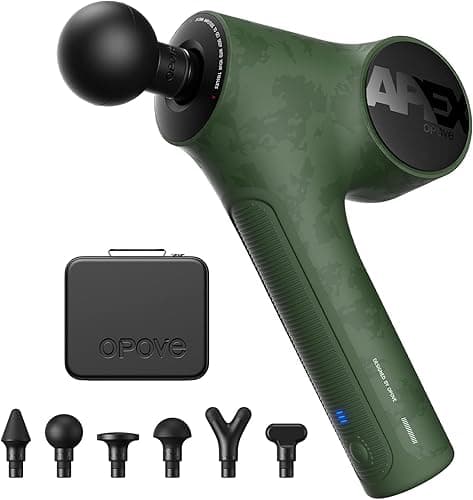
Buying guides
Theragun vs Hypervolt: which percussion massager is actually worth it in 2026
Theragun vs Hypervolt in 2026 — stall force, noise, ergonomics, and the compliance math nobody else does. Plus a $50 alternative that fits 80% of buyers.