Category deep-dives
Cold plunge vs sauna blanket: which one actually moves the needle?
Two of the most popular hormetic-stress wellness practices compared. The science, the practicality, and which one to start with.
“The Finnish sauna cohort is the closest thing the heat-therapy world has to a smoking-gun observational dataset — frequent users had dramatically lower all-cause mortality.”
Two practices, one Instagram aesthetic
If you spend any time in the wellness corner of social media, you've watched roughly a million people climb into a freezing tub at sunrise and roughly the same number wrap themselves in an infrared sauna blanket in the evening. Both are sold as the path to longevity, recovery, and "fixing your nervous system." Both are real practices with real history.
But the evidence isn't equal, the cost isn't equal, and the daily friction isn't equal. Here's the honest comparison.
What each one actually does to you
Cold exposure triggers an acute sympathetic ("fight or flight") response: heart rate spikes, cortisol rises briefly, brown adipose tissue (the metabolically active fat) gets activated. The hypothesis is that repeated short exposures train the autonomic nervous system to recover faster from stress, and that the brown fat activation has metabolic benefits over time.
Heat exposure (infrared sauna) triggers heat-shock proteins, increases blood flow, and produces a parasympathetic ("rest and digest") rebound after the session. The hypothesis is that repeated sessions improve cardiovascular function, reduce inflammation, and produce mortality benefits over years of practice.
Both are forms of hormesis — beneficial stress that strengthens the body when applied in measured doses. The mechanism for both is plausible. The evidence for both is uneven.
The evidence, honestly
Cold plunging
The cold-water exposure literature is small and mixed. There are mechanistic studies, single-session physiological studies, and a handful of small RCTs on mood and recovery. There is not a large prospective cohort study showing dramatic mortality benefits. The category is younger than the marketing suggests.
A 2022 review in the International Journal of Circumpolar Health explicitly described cold-water exposure as "a continuing subject of debate" — not a clear-cut category.
Infrared sauna
This is where things get more interesting. The strongest evidence in the heat category comes from a 20-year Finnish prospective cohort study published in JAMA Internal Medicine in 2015. In a population of ~2,300 men, frequent sauna use (4–7×/week) was associated with 40% lower all-cause mortality compared to once-per-week use. Same study found dose-response benefits for cardiovascular mortality and dementia incidence.
That's observational, not randomized, but the dose-response and the size of the effect make it the strongest single dataset in the entire hormetic-stress literature.
Caveat: that study is on traditional Finnish saunas, not infrared saunas, and not infrared blankets. The mechanism transfer is plausible but unproven.
The practical comparison
Cost
- Cold plunge: $80 (foldable bath) to $1500+ (hard tub with chiller). Plus water and ice management.
- Sauna blanket: $200–$600. Plug it in, wrap up, that's it.
Daily friction
- Cold plunge: High. You have to fill it, manage temperature, get in (which is the actual hard part), recover. Many people burn out within 60 days.
- Sauna blanket: Low. You can do it on your couch while watching TV. It's hard to skip.
Time
- Cold plunge: 2–5 minutes in the water, plus prep and recovery time. Real time cost ~20 minutes.
- Sauna blanket: 30–45 minutes inside the blanket, but you can read or watch something the entire time.
Comfort
- Cold plunge: Genuinely unpleasant. That's part of the practice for some people.
- Sauna blanket: Genuinely pleasant. That's part of the practice for other people.
Our pick if you can only do one
Start with the sauna blanket. Three reasons:
- The Finnish cohort data is the strongest evidence in either category, and the heat mechanism transfers more credibly to infrared than the cold mechanism transfers to anything cheaper than full immersion.
- The daily friction is dramatically lower, which means you'll actually use it 90 days from now.
- The cost of entry is lower at the budget end, and the high end gets you a credible product.
The LifePro infrared sauna blanket is the best-selling option on Amazon for a reason — solid build, honest spec sheet, reasonable price. The HigherDOSE blanket is the premium option if you want medical-grade construction and a better trial period.
If you've done sauna for six months and you want to add cold, then add cold. The Ice Barrel is the most popular option in its price tier; the BINYUAN portable tub is the cheapest credible entry point.
When to do neither
Both are contraindicated if you have:
- Untreated cardiovascular disease (talk to a cardiologist first)
- Pregnancy (heat in particular)
- Open wounds or infections
- Heat or cold sensitivity from medications or conditions
Neither is a substitute for clinical care. They're additive practices, not replacement therapies.
The bottom line
Both cold and heat are real practices with real but uneven evidence. The sauna blanket is the better starting point for most people: stronger underlying data, lower friction, easier to actually maintain. Add cold later if you want — but don't start with it just because it's louder on Instagram.
Products mentioned in this post
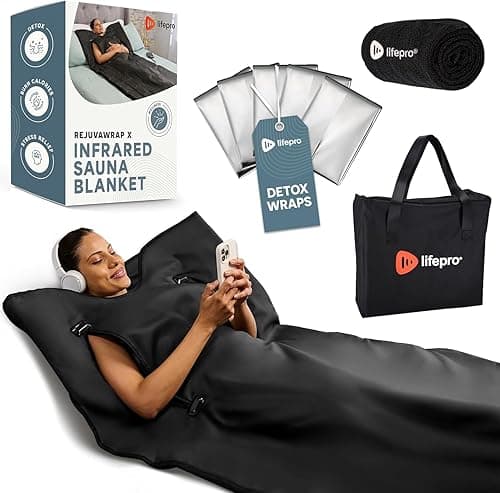
LifePro Infrared Sauna Blanket
Amazon's best-selling infrared sauna blanket — recovery and relaxation in one wrap.
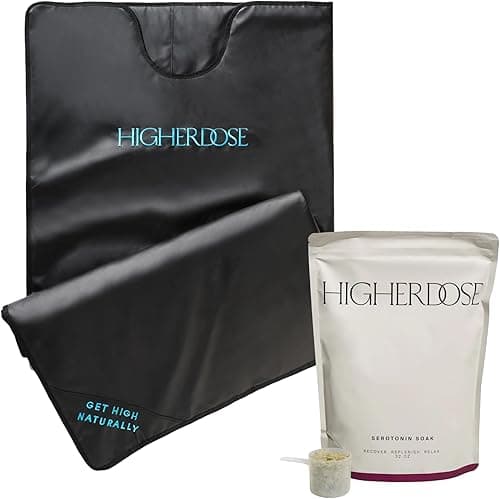
HigherDOSE Infrared Sauna Blanket V4
Premium medical-grade infrared sauna blanket with a 90-day trial — the influencer favorite.
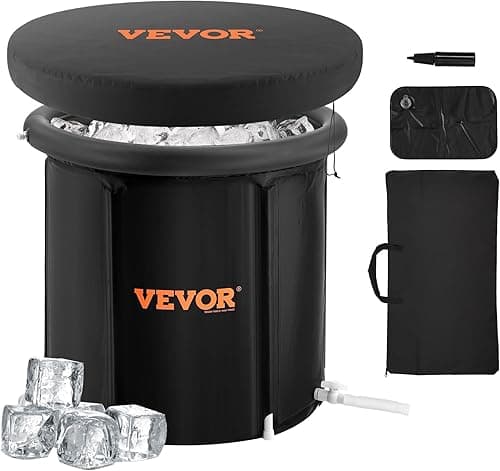
Ice Barrel 300 Cold Plunge
The portable cold plunge that brought ice baths into normal homes.
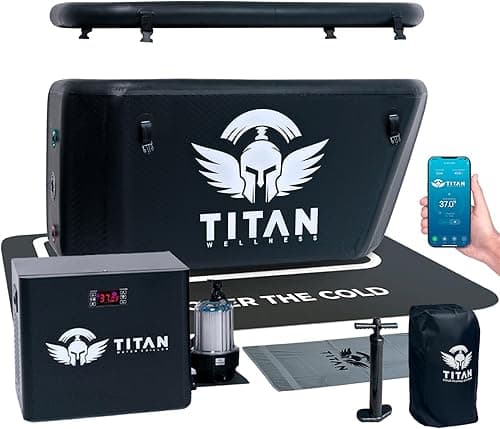
BINYUAN Portable Ice Bath Tub
Foldable budget ice bath — the cheapest way to start a cold plunge practice.
Frequently asked
- Is contrast therapy (alternating hot and cold) better than either alone?
- It might be, but the evidence is even thinner. Most contrast protocols are extrapolated from athletic recovery research, and the consumer practice doesn't usually match those protocols. Start with one before stacking.
- How often should I use a sauna blanket?
- The Finnish cohort data showed dose-response benefits up to 4–7 sessions per week. Most consumer recommendations are 3–5×/week of 30–45 minutes. More is not always better — give your body time to adapt.
- What temperature should a cold plunge be?
- Most protocols use 50–59°F (10–15°C) for 2–5 minutes. Colder is not better — colder dramatically increases the risk of cold-shock and is not better-supported by the data.
- Can I do these if I have high blood pressure?
- Talk to a clinician first. Both heat and cold cause cardiovascular load that interacts with blood pressure medication. Don't experiment without guidance.
Sources
- [1]Association Between Sauna Bathing and Fatal Cardiovascular and All-Cause Mortality Events · JAMA Internal Medicine · 2015-04-01
- [2]Health effects of voluntary exposure to cold water — a continuing subject of debate · International Journal of Circumpolar Health · 2022-09-18
Related reading
More from the desk
Buying guides
Best infrared sauna blanket 2026: how to pick one (and when to buy a tent instead)
Best infrared sauna blanket in 2026 — HigherDOSE V4 vs LifePro vs the $150 generic, plus the compliance math nobody else does and when to buy a tent instead.
Buying guides
Best Cold Plunge for Small Spaces (2026): Apartment-Friendly Picks That Actually Fit
The best cold plunge for small spaces in 2026: footprint-first picks for renters and apartment dwellers, plus when to skip the plunge entirely.
Buying guides
Theragun vs Hypervolt: which percussion massager is actually worth it in 2026
Theragun vs Hypervolt in 2026 — stall force, noise, ergonomics, and the compliance math nobody else does. Plus a $50 alternative that fits 80% of buyers.