Buying guides
WHOOP 4.0 vs Oura Ring Gen 4: which recovery wearable is actually worth it in 2026
Honest WHOOP vs Oura comparison for 2026 — 3-year subscription math, HRV and sleep accuracy, strain vs readiness, and which one fits your actual use case.
“Heart rate variability is one of the few wearable metrics with both a deep physiological basis and a long literature linking it to real-world outcomes.”
You've decided you want a recovery wearable. You've narrowed it to two: the WHOOP 4.0 strap and the Oura Ring Gen 4 Heritage. Every other comparison hedges because both affiliate programs pay well. We'll commit to a verdict.
The short answer is that these are not the same product. WHOOP is a subscription-rented strain coach with a strap attached. Oura is a finger-worn sleep and readiness tracker you buy once. Pick on use case, not on the listicle's "winner" badge.
The 60-second answer
Buy WHOOP 4.0 if you train hard four or more days a week, already wear a watch during the day, and want a strain-and-recovery framework built in. The subscription is the cost of doing business — accept it or don't.
Buy Oura Ring Gen 4 Heritage if you care most about sleep, want a wearable that disappears on your finger, and prefer to pay once. Add Oura+ only if you want cycle tracking, longer-range trends, and the newer feature drops.
Buy neither if your real goal is to change your HRV (a Polar H10 plus a paced-breathing app moves the number more than any passive tracker) or fix your sleep (a Manta sleep mask and a Hatch Restore fix more sleep problems than any wearable). And do not buy both — data overlap is around eighty percent and the daily friction of two devices kills compliance.
What each one actually measures
WHOOP 4.0 reads continuous photoplethysmography (PPG) from the wrist or bicep band, adds skin temperature and an SpO2 estimate, and produces three headline numbers: strain (cardiovascular load across the day), recovery (a blended score from overnight HRV, resting heart rate, sleep performance, and respiratory rate), and sleep stages. Worn 24/7 — that is the design intent.
Oura Ring Gen 4 reads PPG from the palmar side of your finger, the densest capillary bed short of a clinical pulse oximeter, and layers in skin temperature, movement, and SpO2. It produces a Readiness score, sleep stages, daytime HRV snapshots, and a cycle-tracking pipeline that has been the company's quiet competitive moat for years.
The honest physics gap: finger PPG generally produces a cleaner overnight HRV signal than wrist PPG, because the finger sits against a richer perfusion bed and moves less while you sleep. WHOOP's optional bicep band partially closes the gap by moving the sensor away from the most motion-prone joint on the body, but the ring still has a structural sensor-site advantage.
The subscription math — the real cost difference
This is the part nobody publishes cleanly. It is the actual buying decision.
WHOOP: $0 hardware, around $30/month or $239/year for the membership. There is no app or data without the subscription — stop paying and the device becomes a wristband. Three-year cost: roughly $720.
Oura Ring Gen 4 Heritage: roughly $349–$499 one-time depending on finish, plus an optional Oura+ membership at about $5.99/month (around $72/year) for the full feature set. Skip Oura+ and you keep core sleep, HRV, and readiness; you lose newer feature drops, the longer trend windows, cycle insights, and tags. Three-year cost: roughly $565 with Oura+, roughly $349 without.
Verdict: Oura wins on lifetime cost. WHOOP wins on no-upfront friction — useful if you want to try recovery tracking without writing a $400 check on day one. Over three years, the ring is cheaper even with the subscription. Over five years, it is dramatically cheaper.
For specific current prices, check live retailer listings — what we have written here matches publicly listed pricing on Amazon and brand sites at time of writing, but both companies adjust pricing more than once a year.
Sleep tracking — who wins
Oura. The signal-quality gap above is the main reason, and the reporting layer is built around sleep first.
Independent validation studies of consumer sleep wearables have consistently shown that finger-based PPG rings tend to outperform wrist-worn watches at four-stage classification (wake/light/deep/REM), and that overnight HRV averages from a still finger are closer to ECG reference than wrist PPG averages. Neither device matches polysomnography — no consumer wearable does — but Oura is the closer approximation.
WHOOP's sleep staging has improved every year and is genuinely fine. The bicep band, if you can stand it overnight, narrows the gap further. But if sleep is your primary reason for buying a wearable in 2026, the ring is the more honest pick.
Strain and training load — who wins
WHOOP. This is the single feature Oura does not try to compete on.
WHOOP's "strain" framework converts your cardiovascular load across the day into a 0–21 score, contextualizes it against your recovery percentage, and gives you an actionable target band. Athletes who already think in terms of acute and chronic training load find it useful out of the box. Oura's "Activity" tab acknowledges movement but does not pretend to be a training tool.
If you train four or more days a week and want strain context — not just a "you walked X steps" tally — WHOOP is built for you.
HRV — neither, both, and the honest read
Heart rate variability is one of the few wearable metrics with both a deep physiological basis and a long literature linking it to real-world outcomes.
Both produce reliable HRV trend data. The foundational reference is Shaffer & Ginsberg's 2017 overview in Frontiers in Public Health, which both companies cite (rightly) as backing their HRV interpretations. The number is real. The autonomic signal is real.
Neither device is suitable for session-by-session HRV biofeedback training. Both use optical sensors validated against ECG for overnight averages, not for the millisecond-precise R-to-R timing a real-time paced-breathing session needs. If you want to actually train HRV — not just watch it — a chest strap is the tool. We cover this in detail in HRV training apps that actually work, and the short answer is a Polar H10 plus a paced-breathing app for about $90 total.
The "Readiness 87" or "Recovery green" interpretive layer that both apps put on top of HRV is more debatable than the underlying signal. It is a useful nudge. It is not a verdict. Don't let either app decide whether you train today — use the trend, not the daily score.
Women's health and cycle tracking
Oura. The lead is structural: temperature sensor, finger form factor (which sits closer to core temperature than a wrist), and earlier feature investment. The cycle pipeline is one of the most-used features in the Oura+ subscription, and it is what keeps long-term ring buyers paying the monthly fee.
WHOOP added cycle tracking but is catching up rather than leading. If cycle insights are a primary use case, Oura is the better tool.
Comfort and daily wear
Ring (Oura) for office workers, sleepers, lifters who hate forearm bands, and anyone who already wears a watch. The Heritage is small enough that most people forget it is on, charges weekly in a 20–80 minute dock session, and survives showers.
Strap (WHOOP) for athletes who want a dedicated recovery device, don't already wear a watch for training, and prefer cloth bands they can swap. The wrist band can chafe under barbell work; the bicep band fixes that and is the better option for serious lifters. Charging happens via an external battery pack that slides over the strap while you wear it, so the device never has to come off.
The compliance question matters more than any spec. The wearable you actually wear all month is the one that produces useful trend data.
The honest case for buying neither
For pure HRV training: a Polar H10 or Garmin HRM Pro Plus with Elite HRV or HRV4Training is around $90–$130 and is the highest-evidence path into actual HRV training. We walk through the protocols in HRV training apps that actually work and the device-pairing context in biofeedback for anxiety: which devices actually work.
For pure sleep: a well-fitted sleep mask and a sunrise alarm produce more durable sleep improvement than any wearable. The wearable measures sleep. It does not cause better sleep. We cover the sleep-mask side in our best wearable for sleep apnea 2026 post and the ring side in best smart rings 2026.
For "I want a watch that also tracks sleep": the Apple Watch Series 10 or Garmin Venu 3 are the better picks, with the caveat that they are watches with sleep features bolted on rather than dedicated recovery devices. The Apple side is covered in detail in Oura Ring vs Apple Watch for sleep.
For "I want a ring without a subscription": the RingConn Gen 2 is the honest no-subscription alternative — the hardware is credible, the app is leaner than Oura's, and you pay once.
For "I just want activity tracking": the Fitbit Charge 6 is cheaper, lighter, and competent at the basics. Don't buy WHOOP or Oura if you don't care about HRV and recovery.
Our pick
Woo-Woo Meter: 1/5 (hardware) / 3/5 (interpretation). The sensors and HRV math are real. The sleep-stage estimation is good-but-imperfect. The "readiness 87 — go train" interpretive scoring is the part to hold loosely. Use it as a nudge, not a verdict. See what is the Woo-Woo Meter for the rubric.
Buy WHOOP 4.0 if you train hard four-plus days a week, already wear a watch, and value strain framing. Accept that the subscription is the product. You are renting access to your own data.
Buy the Oura Ring Gen 4 Heritage if sleep, recovery, and cycle tracking are your primary use cases, you want to pay once, and you prefer a wearable that disappears. Skip Oura+ for the first month, then decide if the extra features are worth $72/year for you.
Buy Polar H10 + a paced-breathing app instead if your goal was always to change your HRV rather than watch it. The strap is the gym; the ring is the scoreboard.
Don't buy both. The data overlaps too heavily and the daily friction kills compliance on whichever device you wear less. Pick one. Wear it for ninety days. Decide then whether it earned the shelf space.
Products mentioned in this post
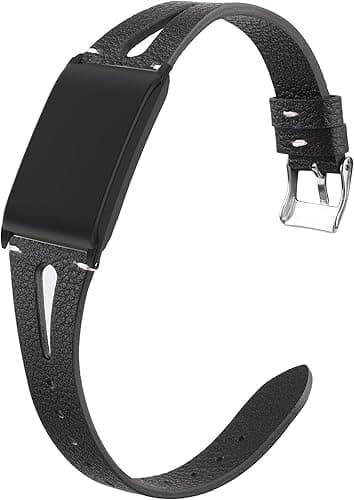
Whoop 4.0 Strap
Subscription-based recovery and strain tracker favored by athletes and high performers.
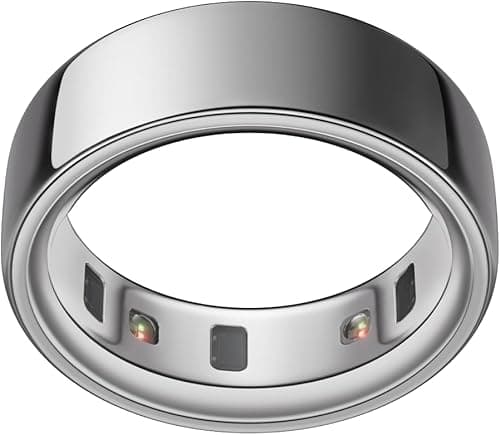
Oura Ring Gen 4 - Heritage
Premium smart ring for sleep, HRV, and daily readiness — no subscription needed for the basics.
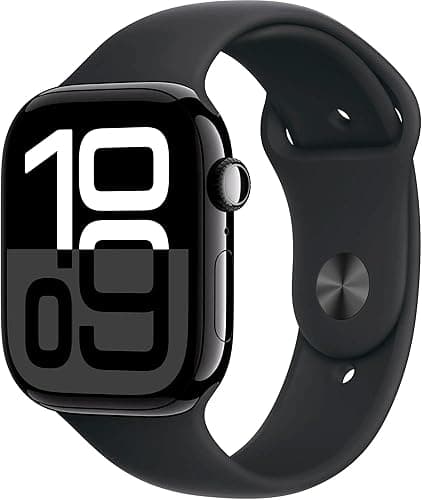
Apple Watch Series 10 (GPS 42mm)
Apple's mainstream wellness watch — workouts, sleep stages, ECG, blood oxygen, in a single device.
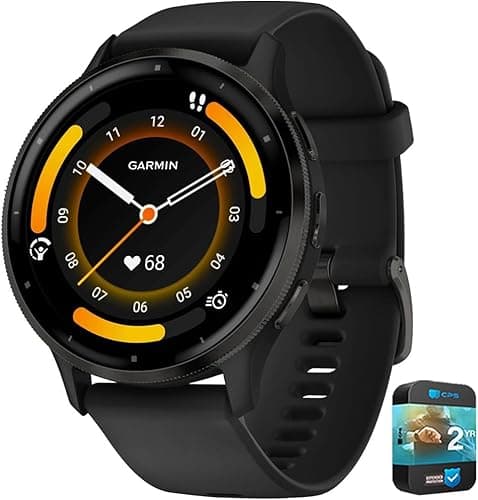
Garmin Venu 3
Garmin's premium AMOLED smartwatch with advanced fitness metrics and multi-day battery life.
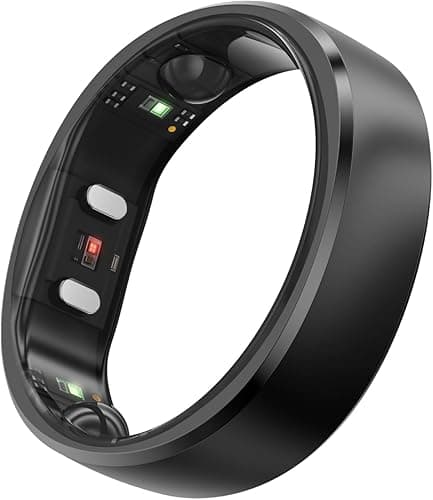
RingConn Gen 2 Smart Ring
Subscription-free smart ring with 12-day battery — a credible Oura alternative under $300.
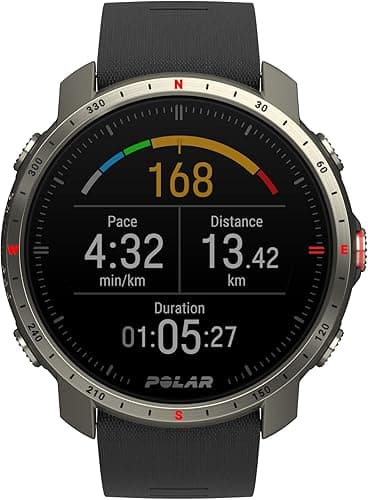
Polar H10 Heart Rate Sensor
The gold-standard chest strap for HRV and heart rate — ANT+ and Bluetooth in one.
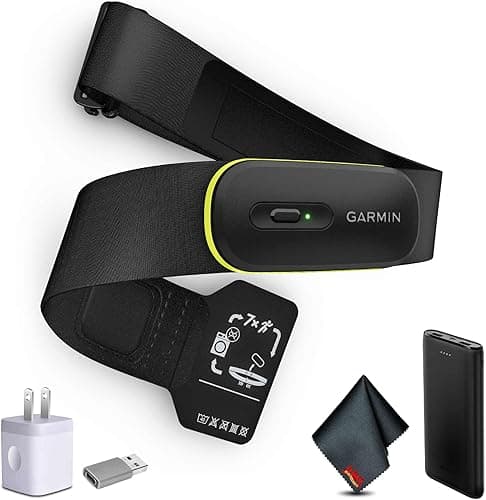
Garmin HRM-Pro Plus
Garmin's premium chest strap with running dynamics and dual-band transmission.
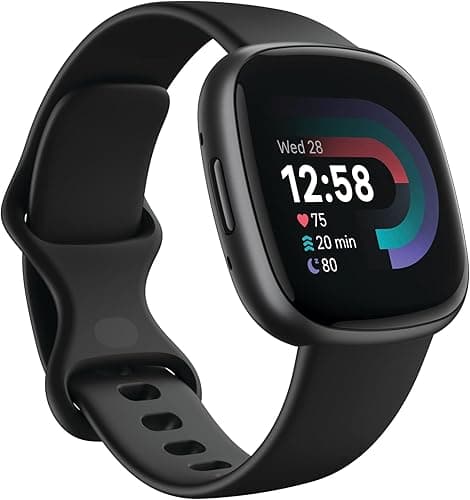
Fitbit Charge 6
Best-selling fitness tracker with built-in GPS and six months of Fitbit Premium included.
Frequently asked
- Is WHOOP or Oura more accurate for HRV?
- Both produce reliable HRV trend data. The finger PPG site Oura uses generally yields a cleaner overnight HRV signal than wrist PPG, because the finger has denser capillary perfusion and moves less while you sleep. WHOOP's optional bicep band partially closes that gap. Neither is suitable for real-time, session-by-session HRV biofeedback training — for that you want an ECG chest strap. For overnight trend tracking, the difference between the two is real but small; either gives you a usable signal across weeks.
- Is the WHOOP subscription worth it?
- It depends on whether you actually use strain and recovery framing. WHOOP is roughly $30/month or $239/year — about $720 over three years. If you train four-plus days a week and would use the strain coach to pace acute vs chronic load, the subscription pays back in better-managed training. If you mostly want overnight HRV and sleep tracking, Oura Ring Gen 4 Heritage costs about $349 once (plus optional $72/year) and ends up cheaper from year two onward. The honest answer is that WHOOP is a no-upfront-cost rental and Oura is a buy-once tracker — pick the financial structure that matches how long you'll keep wearing it.
- Can I use Oura Ring without the subscription?
- Yes. Core sleep, readiness, and HRV stay available without Oura+. What you lose without the $5.99/month subscription: longer trend windows, the newest feature drops (which roll out to subscribers first), cycle and pregnancy insights, and tags. If you bought the ring primarily for sleep and overnight HRV, the free tier is usable. If you bought it for cycle tracking or want the full data layer, the subscription is essentially mandatory. Plan for the cost either way.
- WHOOP vs Oura for sleep — which is more accurate?
- Oura is the closer approximation to polysomnography in the consumer tier, mainly because finger PPG produces a richer signal than wrist PPG and the ring stays still better at night than a strap on a wrist that ends up under a pillow. WHOOP's sleep staging has improved every year and is genuinely fine, and the bicep band narrows the gap further if you'll wear it. Neither device matches lab-grade EEG sleep staging — no consumer wearable does — but if sleep is your dominant use case, the ring is the more honest pick.
- Should I buy both WHOOP and Oura?
- No. The data overlap is around eighty percent and the daily friction of charging, syncing, and reconciling two slightly different recovery scores kills compliance on one of them within a month. Pick the device that matches your dominant use case (WHOOP for training-load framing, Oura for sleep and cycle tracking) and commit for ninety days. If you genuinely need both strain coaching and finger-based sleep tracking, that's a strong signal you should consider a chest strap for training and a ring for sleep — different jobs, different tools, no overlap.
Sources
- [1]An Overview of Heart Rate Variability Metrics and Norms · Frontiers in Public Health · 2017-09-28
- [2]Oura Research Library · Oura · 2026-01-01unverified
- [3]Amazon product listings (current pricing) · Amazon.com · 2026-04-09
Related reading
More from the desk
Buying guides
Oura Ring vs Apple Watch for Sleep: Which Tracker Is Actually Worth It in 2026?
Oura Ring Gen 4 vs Apple Watch Series 10 for sleep tracking — a head-to-head on accuracy, HRV, wearability, subscription math, and which one to actually buy.
Buying guides
HRV training apps that actually work in 2026 (and the hardware they need)
Honest 2026 guide to HRV training apps and the chest straps, rings, and sensors that make them work. Real protocols, real evidence, Woo-Woo Meter ratings.
Buying guides
Apollo Neuro for Sleep: Does the Vibration Actually Help You Fall Asleep? (2026 Honest Take)
Apollo Neuro for sleep, evaluated honestly. What Sleep mode actually does, what the evidence shows, and how it stacks up against Sensate, Muse S, and a $65 baseline.