Category deep-dives
Vagus nerve devices: what the evidence actually says
Non-invasive vagus nerve stimulation went from obscure neurology to consumer wellness in 18 months. Here's our honest read on the evidence — and what to make of the consumer devices selling it.
“Transcutaneous vagus nerve stimulation has promising results across small studies, but the field needs larger, sham-controlled trials before any device should be sold as a depression or anxiety cure.”
A category that exploded fast
In 2023, "vagus nerve stimulation" was a clinical neuromodulation technique with FDA-cleared use cases for treatment-resistant depression and migraine — the kind of thing you read about in psychiatry journals. By 2025, it was a consumer wellness category with handheld and neck-worn devices selling for $200–$300 on Amazon.
The mechanism is real. The clinical literature is real. But the consumer devices are not the same as the clinical ones, and the marketing has not always been careful about the distinction. This post is our attempt to give you a clean read on what the evidence actually shows — and what to make of the products you can buy today.
The mechanism, briefly
The vagus nerve is the main conduit of the parasympathetic ("rest and digest") nervous system. It runs from the brainstem through the neck and into nearly every organ in your body. Stimulating it electrically can shift your autonomic state toward parasympathetic activity — slower heart rate, lower stress markers, better digestion, deeper sleep.
Clinical vagus nerve stimulation does this with a surgically implanted device. Transcutaneous vagus nerve stimulation (tVNS) — what consumer devices do — uses skin-contact electrodes on the neck or ear to stimulate branches of the nerve from outside the body. The electrical signal is much weaker than the implanted version, but the targeting is broadly correct.
What the evidence shows
There are dozens of small-to-medium randomized controlled trials of tVNS across anxiety, depression, inflammation, and stress endpoints. The picture is genuinely mixed but not dismissive:
- Anxiety: Several positive trials, mostly short-term, mostly small. The mechanism is plausible.
- Stress markers: Consistent positive findings on HRV and cortisol in single-session studies.
- Depression: Some positive single-arm studies, some negative sham-controlled studies. Translational status is uncertain.
- Inflammation: Promising mechanistic data, fewer endpoint trials.
The honest summary: the signal is real, the mechanism is plausible, the field needs larger sham-controlled trials before any consumer device should be sold as a treatment for anxiety or depression. Most published studies are small and many use slightly different protocols, which makes meta-analysis hard.
What the consumer devices are
The two best-known consumer tVNS devices on the market are Pulsetto (neck-worn, app-controlled, multi-mode) and Truvaga (handheld, from electroCore — the company that makes the FDA-cleared gammaCore prescription device).
Both deliver short daily sessions (2–5 minutes). Both have honest, science-flavored marketing. Neither is FDA-approved as a treatment for any specific condition — they're sold as wellness devices, not medical devices. We have a head-to-head comparison that gets into the specifics.
How we rate the category
On the Woo-Woo Meter, we rate vagus nerve devices at 3 out of 5. Plausible mechanism, real but limited evidence base, consumer products that aren't the same as the clinical versions used in studies. That puts the category in "worth trying if you've already done the basics" territory — not "obvious first purchase."
Who should consider one
You should think about a vagus nerve device if:
- You've tried meditation, breathwork, and basic sleep hygiene, and want hardware help on top
- You're comfortable with the idea that the evidence is early
- You're not looking for it to replace clinical treatment for diagnosed anxiety or depression
You should probably skip it if:
- You're treating diagnosed anxiety or depression — see a clinician about FDA-cleared options first
- You expect prescription-grade results from a consumer device
- Your budget is limited and you haven't tried the cheaper basics yet
The honest bottom line
Vagus nerve devices are one of the more interesting categories in consumer wellness tech right now. The science is real but early. The consumer products are honest enough about what they are, but you have to read carefully. The category will probably look very different in three years as the trial base grows.
If you want to try one, both Pulsetto and Truvaga are credible. Read our comparison for the specifics.
Products mentioned in this post
Pulsetto Vagus Nerve Stimulator
App-controlled non-invasive vagus nerve stimulator for stress, sleep, and anxiety.
Truvaga Vagus Nerve Stimulator
Handheld clinical-grade vagus nerve stimulator — quick daily sessions.
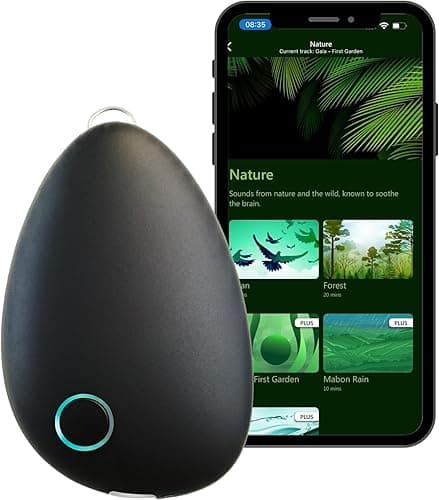
Sensate 2 Relaxation Device
Vagus nerve relaxation device using infrasound vibration for stress and anxiety relief.
Frequently asked
- Are consumer vagus nerve devices FDA approved?
- No. The Truvaga is from the same company that makes the FDA-cleared gammaCore prescription device, but the consumer version is not itself approved. Treat all consumer tVNS devices as wellness devices, not medical treatments.
- Can vagus nerve stimulation replace medication?
- No, and you should not stop prescribed medication based on a consumer wellness device. If you're treating anxiety or depression clinically, talk to your prescriber before adding any new modality.
- How long until I'd notice an effect?
- Studies typically use daily sessions for 2–4 weeks before measuring. Anecdotal reports of immediate effects exist but are not the same as durable change.
- Are there side effects?
- Generally mild — skin irritation at the contact site, occasional throat tightness, brief lightheadedness. People with cardiac arrhythmias, pacemakers, or who are pregnant should not use these without clinician guidance.
Sources
- [1]Critical Review of Transcutaneous Vagus Nerve Stimulation: Challenges for Translation to Clinical Practice · Frontiers in Neuroscience · 2020-04-28
- [2]510(k) Premarket Notification — Non-invasive Vagus Nerve Stimulator · U.S. Food and Drug Administration · 2017-04-18unverified
- [3]An Overview of Heart Rate Variability Metrics and Norms · Frontiers in Public Health · 2017-09-28
Related reading
More from the desk

Buying guides
Biofeedback for anxiety: which devices actually work in 2026 (an honest review)
Honest 2026 guide to biofeedback devices for anxiety — HeartMath, Muse 2, Pulsetto, Sensate, Apollo Neuro. Real evidence, real prices, Woo-Woo Meter ratings.
Category deep-dives
Pulsetto review: is the breakout vagus nerve device worth $270?
Pulsetto became the most-searched vagus nerve device in 2025. Here's our straight-talk review — what it is, what the evidence says, and whether it earns its price.
Buying guides
Pulsetto vs Truvaga: which vagus nerve stimulator actually delivers in 2026 (honest comparison)
Pulsetto and Truvaga both cost $250–$270 and target the same vagus nerve. Here's the honest head-to-head — app vs. clinical lineage, who should buy which.