Category deep-dives
Red Light Therapy Benefits Explained: What the Science Actually Shows
Tiered by evidence strength: what red light therapy is solidly shown to do, what's plausible, and which claims are marketing running ahead of the science.
“The strongest evidence for photobiomodulation is in skin healing and inflammatory conditions — the recovery and longevity claims are weaker but not implausible.”
You've seen the claims. Huberman talks about it on podcasts. Wellness brands promise "cellular regeneration." Dermatologists post before-and-afters on Instagram. Somewhere in that pile sits a real question: does red light therapy do anything, and if so, what?
The answer isn't "yes" or "no." It's "yes for some things, maybe for others, and no for the loudest marketing claims." This post sorts the benefits into three tiers by evidence strength, so you can decide whether a $200 mask or a $500 panel is worth it for your reason — not for whichever reason someone is trying to sell you.
What red light therapy actually is
Red light therapy — formally called photobiomodulation (PBM) — uses specific wavelengths of light to drive biological effects in tissue. The wavelengths that matter are 660nm (red) and 850nm (near-infrared). Red penetrates about 2–3mm into skin. Near-infrared penetrates deeper, into muscle and joint tissue.
The mechanism is well-characterized. Light at these wavelengths is absorbed by a mitochondrial enzyme called cytochrome c oxidase. That absorption modestly upregulates cellular energy production and reduces local inflammatory signaling. A 2017 review in AIMS Biophysics laid out the pathway in detail and documented replicated anti-inflammatory effects across multiple tissue types.
PBM is not the same thing as:
- SAD lamps, which use broad-spectrum bright white light to affect circadian rhythm, not cytochrome c oxidase.
- Infrared saunas, which work through heat, not photobiomodulation.
- Red accent LEDs at low power density, which deliver no therapeutic dose.
If you want the shopping side of this — wavelengths, irradiance numbers, what to look for on a spec sheet — read the red light therapy buying guide. This post is the evidence side.
How we rate the category
Red light therapy sits at 2 out of 5 on our Woo-Woo Meter — clinically supported with a real evidence base, narrower than the marketing suggests. That rating is why we don't list benefits flat. We tier them.
"The strongest evidence for photobiomodulation is in skin healing and inflammatory conditions — the recovery and longevity claims are weaker but not implausible."
The benefits with the strongest evidence
Skin: acne, wound healing, dermal anti-aging. This is where PBM earned its FDA clearances and its place in dermatology offices. A 2013 review in Seminars in Cutaneous Medicine and Surgery documented consistent evidence for low-level light therapy in skin rejuvenation, acne treatment, and accelerated wound healing. Collagen synthesis goes up. Inflammatory acne lesions go down. Fine-line improvement shows up on 8–12 weeks of consistent use. This is the one domain where RLT is essentially uncontroversial among people who've read the literature.
Pain and inflammation (musculoskeletal). Solid mechanism, growing clinical literature, and real use in physical-therapy practice for conditions like tendinopathy and low-back pain. The effect is additive to standard care, not a replacement — but it's reliably measurable in controlled studies.
Exercise recovery. Moderate evidence for reduced post-exercise soreness (DOMS) and modestly accelerated muscle repair after eccentric exercise. Effect sizes are real but not dramatic. Think of it as a useful adjunct that compounds with good sleep and protein intake, not a shortcut.
The benefits with plausible but limited evidence
Hair regrowth. FDA-cleared low-level laser caps exist for androgenic alopecia, and the device-specific data for those caps is genuinely supportive. But the evidence is for fitted-cap devices at specific irradiance levels. A generic panel pointed at your scalp is not the same product, and the marketing blur between the two is a problem. If hair is your main reason, you're shopping a cap, not a panel.
Joint pain and osteoarthritis. Several small studies show benefit, especially in knee OA. Promising, not yet clinical-grade. Reasonable to try as an adjunct; not reasonable to replace treatment your physician has recommended.
Mood and cognition (transcranial PBM). This is the frontier. A handful of small studies on near-infrared light delivered to the forehead have shown effects in depression and cognition. The mechanism is plausible. The sample sizes are tiny. Nothing close to a consumer recommendation.
The benefits where marketing runs ahead of science
These are the claims you should be most skeptical of — and the companies pushing them hardest are the ones to trust least:
- "Cellular detox." Not a real mechanism. "Detox" is a red flag in any wellness product category.
- Fat loss and body contouring. A handful of small, mostly industry-sponsored studies with contested results. Don't buy a panel for this.
- Thyroid function. Extremely popular online claim with essentially no meaningful human evidence.
- "Systemic anti-aging." The skin-level mitochondrial effects are real. Extrapolating them to whole-body longevity is not supported — it's a story, not a finding.
- Boosting testosterone. No quality human evidence. The famous "red light on testicles" claim traces to a single 1930s paper and nothing replicated since.
Most competing articles either parrot these claims or dismiss the whole category. Neither is honest.
Who actually benefits most
Skin and anti-aging buyers. Strongest evidence, most likely to see visible results. A face mask like the CurrentBody Skin LED mask is purpose-built for this and FDA-cleared for specific indications. For targeted spot-treatment or travel, the Solawave 4-in-1 wand is a reasonable complement — not a replacement for a daily protocol.
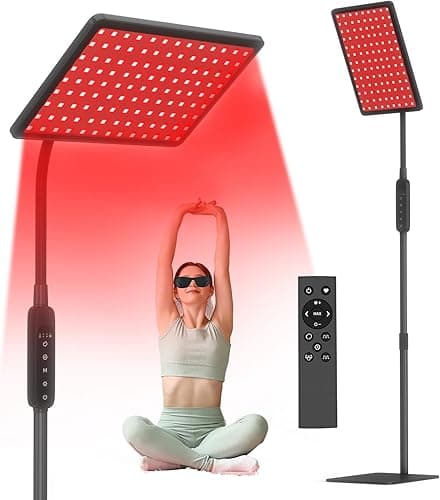
Post-workout recovery buyers. A full-body panel is the right format. The Bestqool 660nm/850nm panel is our main pick here — dual wavelength, decent irradiance, honest spec sheet. The Scienlodic panel is the budget alternative. If you're weighing RLT against other recovery modalities like heat or cold, our cold plunge vs. sauna blanket comparison might help you stack your routine.
Chronic pain and inflammation buyers. Reasonable to try a panel as an adjunct. Not reasonable as a replacement for medical care. Dose matters here — consistency at 10–20 minutes per area, 3–5x per week, beats heroic occasional sessions.
If you're stuck on form factor — panel vs. mask — we have a dedicated comparison post that walks through the tradeoffs.
How to actually use it
Four practical rules that most product manuals bury:
- Distance. 6–12 inches from a panel. Closer = higher irradiance = shorter session needed.
- Duration. 10–20 minutes per area. More is not better.
- Frequency. 3–5 sessions per week. Daily is fine but not meaningfully better.
- Biphasic dose response. Too much power for too long can reduce effectiveness. This is real and specific to PBM. Restraint matters.
Eye protection at high power densities. Masks inherently shield your eyes; panels come with goggles — use them.
The honest take
Woo-Woo Meter: 2 out of 5. The technology is real. The narrowest claims are well-supported. The biggest claims are not.
If you're buying red light therapy for skin, pain, or recovery, you're buying it for the right reasons — the evidence supports a try, with realistic expectations. A mask in the $200–$400 range or a panel in the $300–$600 range will likely deliver visible-to-modest results in those domains. If you're buying because a biohacker promised cellular regeneration, fat loss, or thyroid optimization, that's marketing outrunning the science — and the brands selling those claims hardest are the ones to be most skeptical of.
Two panels, one mask, one wand. Four products in the catalog that do what they say and skip the claims they can't back up. Start with the buyer profile that matches you, not the benefit list that flatters you.
Products mentioned in this post
Bestqool Red Light Therapy Panel (660nm/850nm)
Best-selling dual-wavelength (660nm / 850nm) red-light panel on Amazon.
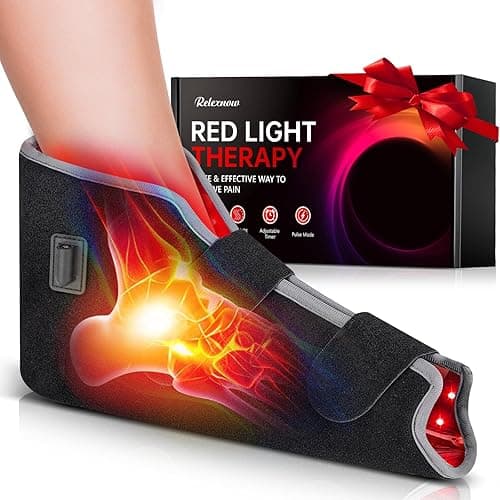
Scienlodic Red Light Therapy Panel
Budget red-light therapy panel with strong reviews — a solid first panel.
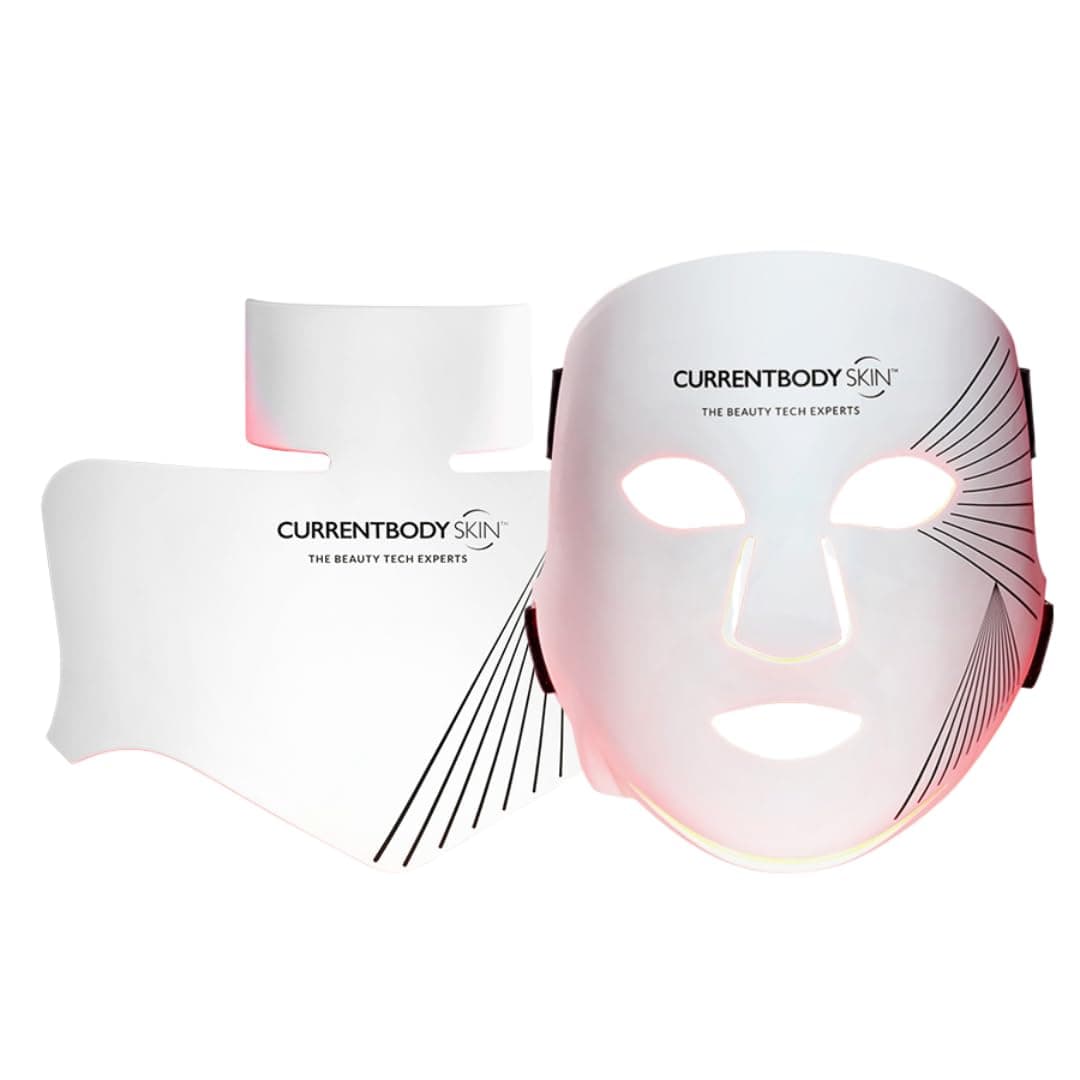
CurrentBody Skin LED Light Therapy Mask
FDA-cleared LED face mask used in clinical anti-aging and skin protocols.
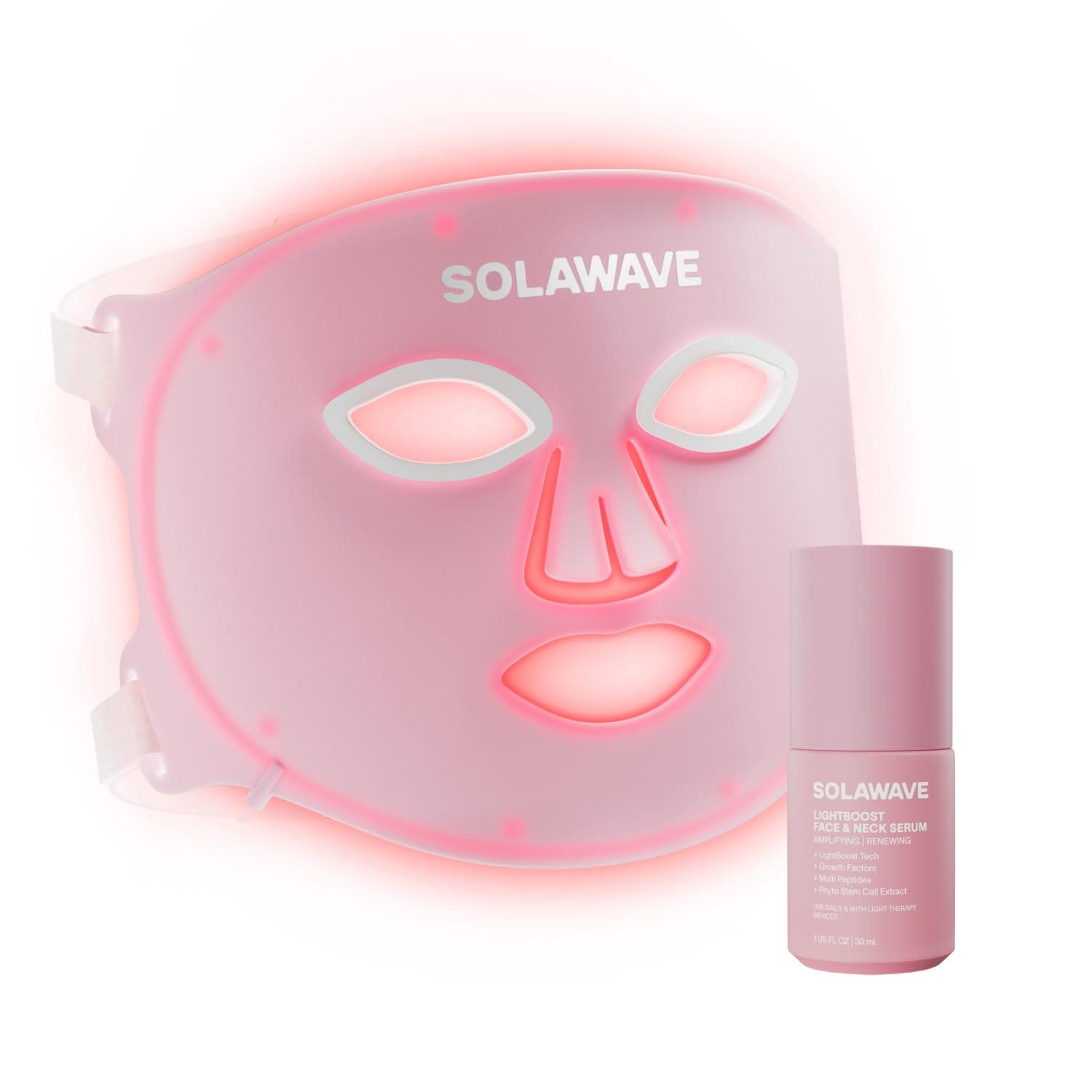
Solawave 4-in-1 Red Light Wand
Handheld 4-in-1 red-light therapy wand built for skincare and microcurrent toning.
Frequently asked
- What does red light therapy actually do?
- Red and near-infrared light at specific wavelengths (660nm and 850nm) is absorbed by cytochrome c oxidase in your mitochondria. That modestly boosts cellular energy production and reduces local inflammation. The downstream effects with the strongest evidence are in skin (collagen, acne, wound healing) and inflammation/pain.
- How long before red light therapy shows results?
- For skin effects (fine lines, tone, acne), most users see measurable change at 8–12 weeks of consistent use 3–5x per week. For acute muscle soreness, effects show up in a single session. For chronic pain, expect several weeks before judging it. Patience matters — the biology is real but slow.
- Does red light therapy help with weight loss?
- The evidence for fat loss and body contouring is weak — a handful of small, mostly industry-sponsored studies with contested results. If weight loss is your main reason for buying a panel, we'd steer you toward better-evidenced interventions. Panels are a reasonable buy for skin, pain, or recovery; they're not a weight-loss device.
- Is red light therapy the same as infrared sauna?
- No. Infrared saunas work through heat — raising body temperature to drive cardiovascular and sweating responses. Red light therapy works through photobiomodulation — specific wavelengths absorbed by mitochondria, at doses that don't meaningfully heat tissue. Different mechanism, different evidence base, different use case.
- What's the difference between 660nm and 850nm?
- 660nm is visible red light. It penetrates 2–3mm into skin and is best for surface-level effects like collagen, acne, and wound healing. 850nm is invisible near-infrared. It penetrates deeper into muscle and joint tissue and is better for pain, inflammation, and recovery. Quality devices include both.
- Can red light therapy replace my skincare routine?
- No. Think of it as an additional modality, not a replacement. RLT stimulates collagen and reduces inflammation, but it doesn't cleanse, moisturize, or deliver topical actives. The best results come from combining consistent RLT with a skincare routine that includes sunscreen, retinoids (if appropriate), and moisturizer.
Sources
- [1]Mechanisms and applications of the anti-inflammatory effects of photobiomodulation · AIMS Biophysics · 2017-05-19
- [2]Low-Level Laser (Light) Therapy (LLLT) in Skin: Stimulating, Healing, Restoring · Seminars in Cutaneous Medicine and Surgery · 2013-03-01
- [3]Amazon product listings (current pricing) · Amazon.com · 2026-04-09
Related reading
More from the desk
Buying guides
Red light therapy panels: a buyer's guide for 2026
Photobiomodulation has the strongest evidence in skin and wound healing — and the marketing has gone everywhere. Here's how to actually shop a red light panel.
Buying guides
Best Red Light Therapy Devices of 2026: One Honest Pick Per Use Case
We picked one red light therapy device per use case for 2026 — full-body panel, face mask, handheld, and budget — with prices, Woo-Woo ratings, and no padding.
Buying guides
Red Light Therapy for Skin: An Honest Review of What the Evidence (and Our Catalog) Actually Supports
Skin is where red light therapy's evidence is strongest — but only for some goals. An honest, goal-by-goal guide to masks, wands, and panels for skin.