Buying guides
Red Light Therapy for Skin: An Honest Review of What the Evidence (and Our Catalog) Actually Supports
Skin is where red light therapy's evidence is strongest — but only for some goals. An honest, goal-by-goal guide to masks, wands, and panels for skin.
“The strongest evidence for photobiomodulation is in skin healing and inflammatory conditions — the recovery and longevity claims are weaker but not implausible.”
You saw it on a dermatologist's Instagram, or a TikTok, or a Goop-adjacent newsletter. Now you're Googling whether to spend $150 on a wand, $400 on a face mask, or $300 on a panel you'd mount and use on face and body. You want the device that fits your skin goal — not a listicle that hedges every paragraph.
This post does two things most search results don't. It names which skin claims are actually evidence-supported (and which are marketing), and it maps each of three form factors to a specific goal: acne, fine lines, post-procedure healing, body skin, or "I just want to try it." If you've already read our benefits explainer, this is the buying half of that decision.
The short answer: skin is where red light therapy actually works
Photobiomodulation (PBM) — the formal name for red and near-infrared light therapy — has its strongest evidence in skin. That's not a hedge. A 2013 review in Seminars in Cutaneous Medicine and Surgery documented consistent clinical evidence for low-level light therapy improving skin rejuvenation, treating acne, and accelerating wound healing. The underlying mechanism — light absorbed by cytochrome c oxidase, modestly increasing cellular energy and reducing local inflammation — is detailed in a 2017 AIMS Biophysics review and is well-accepted among researchers who've actually read the literature.
Dermatologists have stopped rolling their eyes for a reason. Face masks are FDA-cleared for specific indications. Clinics use panels. The skin application is the one where the marketing has finally caught up to real science, rather than running ahead of it.
What the skin evidence actually shows (and what it doesn't)
"The strongest evidence for photobiomodulation is in skin healing and inflammatory conditions — the recovery and longevity claims are weaker but not implausible."
Here's the honest breakdown of what red light therapy on skin is actually supported to do:
Strongest evidence:
- Inflammatory acne. 630–660nm light reduces P. acnes-related inflammation and lesion counts over 8–12 weeks of consistent use.
- Photoaging and fine lines. Collagen synthesis upregulates with repeated dosing. Results are modest, visible, and take weeks — not "overnight glow."
- Wound and post-procedure healing. Accelerated recovery after laser treatments, microneedling, and minor surgical wounds is one of the most replicated findings in the PBM literature.
Plausible but weaker:
- Rosacea. Some small studies suggest reduced redness at specific wavelengths and doses. Not clinical-grade evidence yet.
- Hyperpigmentation. Mixed. Red light is not a melanin-targeting laser. Manage expectations.
Marketing running ahead of science — treat as claims to ignore:
- Stretch marks. Poor evidence, big marketing.
- Cellulite. Essentially no quality evidence.
- Tattoo removal. That requires Q-switched lasers, not a 660nm LED.
- "Collagen boost by 300%." Cited numbers of this type trace to in-vitro cell studies, not human skin outcomes.
- "Cellular detox." Not a mechanism. Red flag in any wellness category.
If the brand selling the product leads with stretch marks and cellulite, that's a reason to distrust everything else they claim.
The three form factors, honestly compared
All three emit the same wavelengths and follow the same biology. The difference is how the device fits into your life — which, in practice, is the difference between visible results and a drawer ornament.
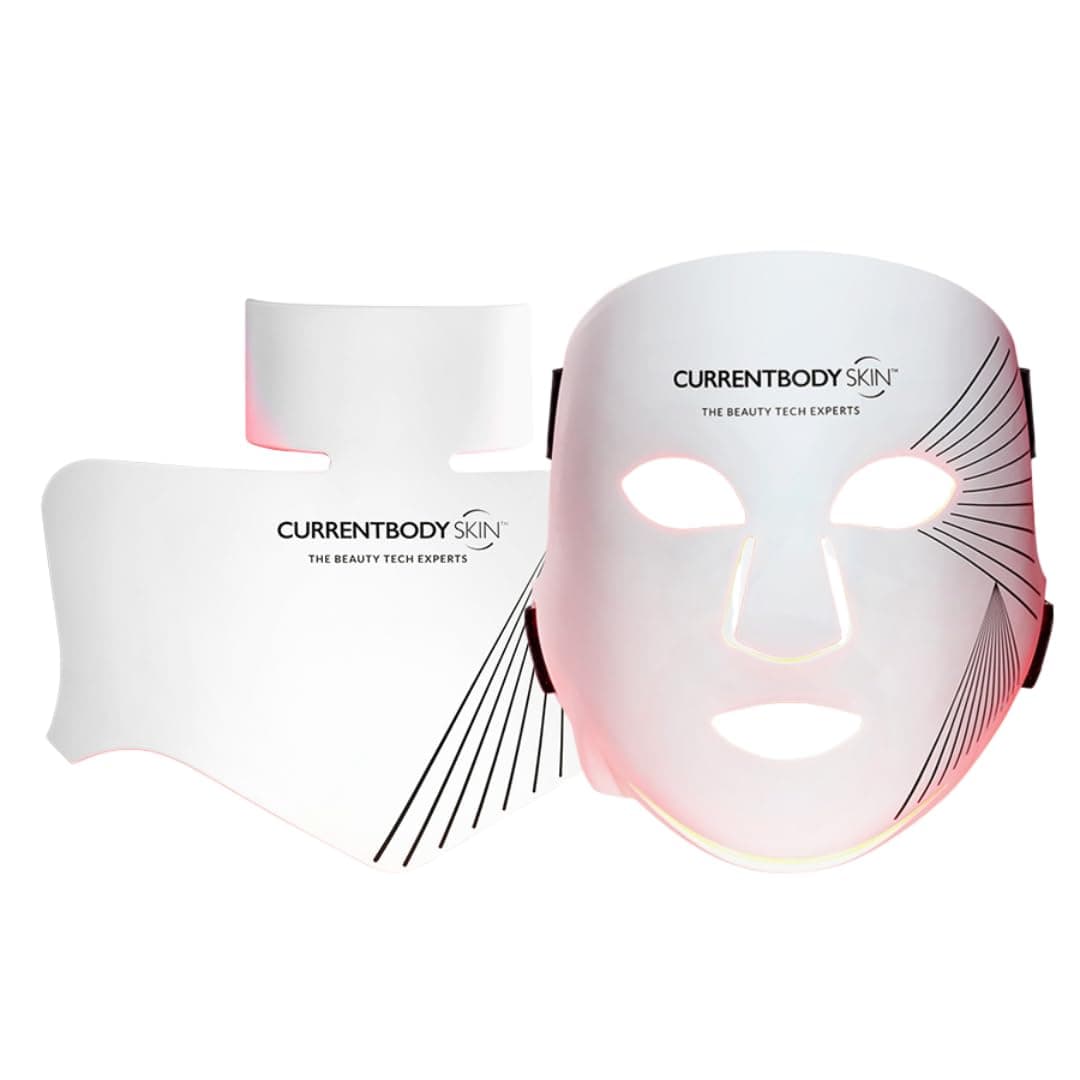
LED face masks — like the CurrentBody Skin LED mask — sit directly on your face at a fixed, close distance. Hands-free. Consistent dose. Face-only. Usually $300–$450. FDA clearance on several models for specific indications. This is the best-tested form factor for anti-aging protocols.
Handheld wands — like the Solawave 4-in-1 wand — combine red light with microcurrent and warmth in a device you move across the skin. Cheap (~$150), targeted, portable. Lower power density and a tiny treatment area, which means daily consistency is the only way they work. Great for spot-treating acne or specific lines; poor substitute for a full protocol.
Full-body panels — like the Bestqool 660nm/850nm panel or the Scienlodic panel — mount to a wall or door, emit dual wavelengths across a large area, and cover face plus body. Highest irradiance per dollar. Not hands-free for face — you stand or sit at 6–12 inches. If you also care about stretch-mark-area skin, body acne, or post-procedure healing below the chin, the panel is the only one of the three that can reach it.
For readers stuck specifically between mask and panel, our panel vs. LED face mask comparison goes deeper on the tradeoff.
Which one to buy for your specific skin goal
This is the part the listicles skip. Match the device to the goal, not the influencer.
- Inflammatory acne → wand or mask. For spot treatment, the Solawave wand is cheap enough to keep on your nightstand. For whole-face inflammation, the CurrentBody mask gives consistent dose across every lesion area.
- Fine lines and general anti-aging → LED face mask. This is what the mask is built for. Even coverage, 10-minute sessions, hands-free compliance. Over 8–12 weeks, this is the form factor that delivers the most visible change.
- Post-procedure healing (microneedling, laser, mild peels) → mask or panel at lower intensity. Ask your practitioner first. The evidence for accelerated wound healing is strong; the timing vs. your procedure is where to be careful.
- Body skin (stretch-mark-area skin tone, scar healing, post-shave inflammation) → panel. The Bestqool panel or Scienlodic panel covers areas a mask can't. Note: "stretch-mark-area skin tone" is not "stretch mark removal" — no device does that reliably.
- "I just want to try it cheaply before committing" → wand. The Solawave wand is the lowest-stakes way to find out if you'll actually be consistent. If after a month you're using it daily, upgrade to a mask or panel.
The spec that actually matters for skin: wavelength and irradiance
Two numbers. Memorize them.
Wavelength. 630–660nm (visible red) drives the dermal and surface-level effects most skin shoppers want — collagen, acne, redness. 810–850nm (near-infrared) penetrates deeper, mostly relevant for wound healing and muscle recovery. Quality devices include both. If a product lists only a single wavelength at 620nm or something lower, skip it.
Irradiance (power density). 20–50 mW/cm² at the skin surface is enough. More is not better — PBM has a biphasic dose response, meaning too much power for too long can reduce effectiveness. "100 mW/cm² professional-grade!" is marketing, not a feature.
For the full panel-shopping deep-dive — what to look for on a spec sheet, how to read irradiance claims, which brands inflate numbers — see our red light therapy buying guide.
How to actually use these devices (and ruin your results if you don't)
Consistency beats intensity. Always. A $400 mask used twice is worth less than a $150 wand used four nights a week.
The practical protocol that matches the evidence:
- 10 minutes per area, 3–5 times per week, minimum 8–12 weeks before judging results.
- Clean, dry skin. Serums and heavy moisturizers can block or scatter the light.
- Close to the device. Masks sit on your skin already. Panels: 6–12 inches. Wands: contact.
- Eye protection. Masks inherently shield your eyes. Panels come with goggles — use them.
- Don't stack aggressive actives. Freshly-applied tretinoin plus an immediate red-light session on the same patch of skin is a recipe for irritation, not better results. Space them out.
Safety, side effects, and who should skip this
For most people, home PBM devices are very low risk. Mild side effects: temporary redness and eye fatigue without protection. Home units are deliberately lower-intensity than clinic units — that's a feature, not a bug, since the biphasic dose response means higher isn't better.
Who should pause or consult a dermatologist first:
- Active melasma. Some data suggests red light can worsen pigmentation in melasma-prone skin.
- Photosensitizing medications. Doxycycline, isotretinoin, some topical retinoids, and certain antibiotics increase light sensitivity. Ask your prescriber.
- Lupus or other photosensitive conditions.
- Pregnancy. Limited data. Most practitioners default to caution.
None of these are "never use it" — they're "talk to someone who knows your case."
Our Woo-Woo rating for red light therapy for skin
Woo-Woo Meter: 2 out of 5. Clinically supported for skin, narrower than the marketing suggests. This is the use case where the category earns its place — and it's still "supportive adjunct," not "replaces your retinol." For the full rubric, see what the Woo-Woo Meter means.
The honest take
Red light therapy for skin is the single use case where the evidence base is strongest, and even so, it is not magic. For a reader willing to do 10 minutes, 4× a week for 12 weeks, a device matched to your specific goal is a reasonable bet:
- Face anti-aging → CurrentBody mask
- Targeted acne or a cheap trial → Solawave wand
- Body skin or mixed face+body → Bestqool panel or the budget Scienlodic panel
If you won't be consistent, no device at any price will work. And ignore any brand selling red light therapy for cellulite, stretch marks, tattoo removal, or "cellular detox" — those claims aren't supported, and the brands leading with them are telling you something about the rest of their catalog.
Products mentioned in this post
CurrentBody Skin LED Light Therapy Mask
FDA-cleared LED face mask used in clinical anti-aging and skin protocols.
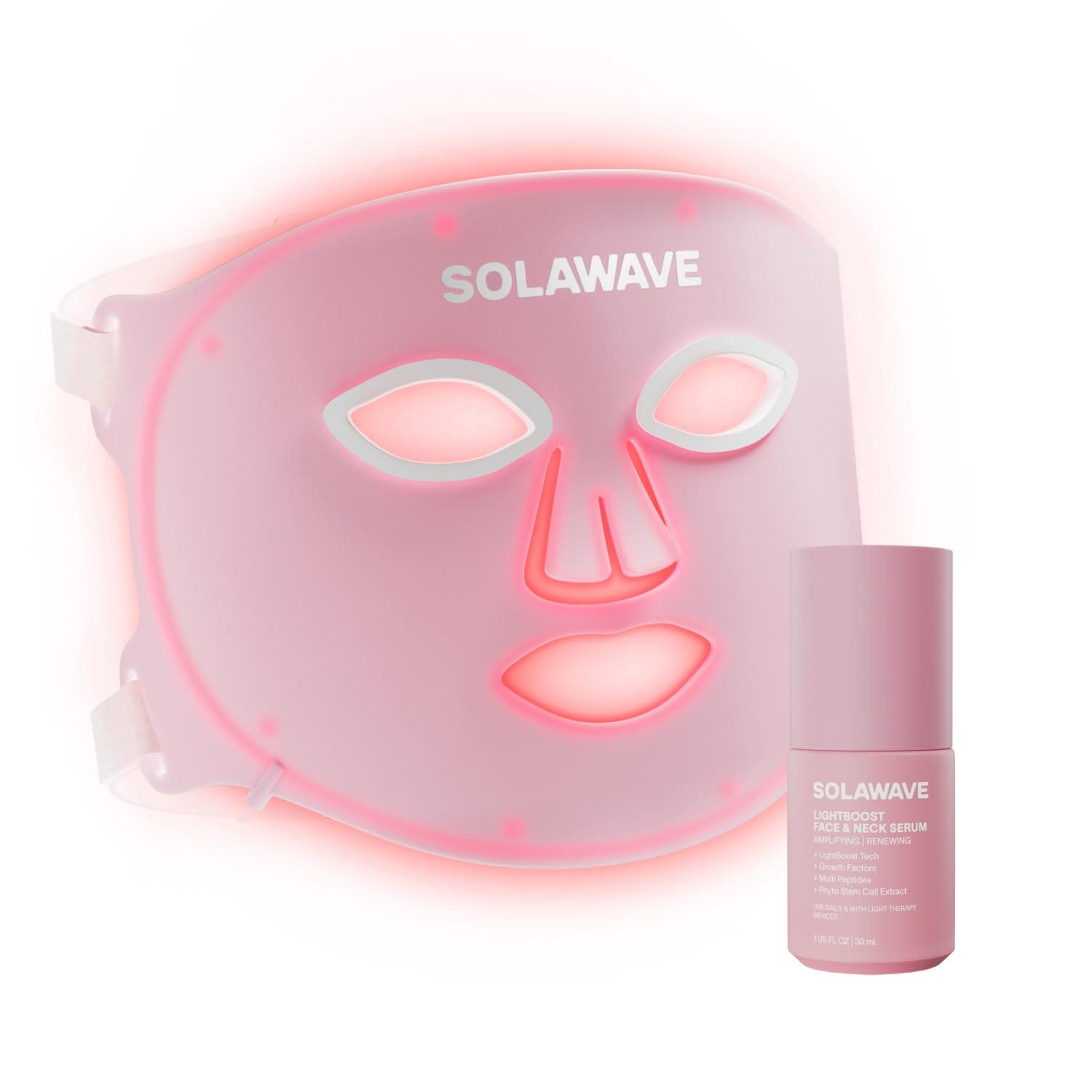
Solawave 4-in-1 Red Light Wand
Handheld 4-in-1 red-light therapy wand built for skincare and microcurrent toning.
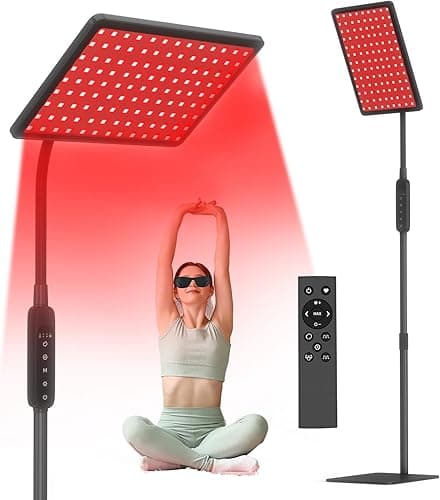
Bestqool Red Light Therapy Panel (660nm/850nm)
Best-selling dual-wavelength (660nm / 850nm) red-light panel on Amazon.
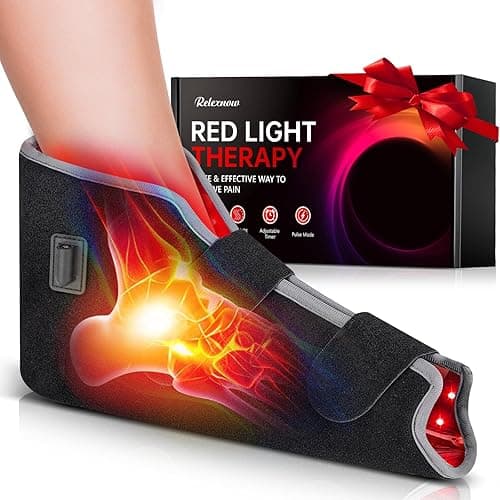
Scienlodic Red Light Therapy Panel
Budget red-light therapy panel with strong reviews — a solid first panel.
Frequently asked
- Does red light therapy really work on wrinkles?
- On fine lines, yes — modestly and slowly. The 2013 review in Seminars in Cutaneous Medicine and Surgery documented consistent evidence that 630–660nm light increases collagen synthesis and improves skin texture over 8–12 weeks of consistent use. It won't erase deep wrinkles and it doesn't replace retinoids or sunscreen. Think supportive adjunct, not miracle.
- How long until I see results from red light therapy for skin?
- For fine lines and tone: most people see measurable change at 8–12 weeks of consistent use 3–5× per week. For inflammatory acne: sometimes faster, 4–6 weeks. For wound or post-procedure healing: days to weeks, depending on the procedure. If you've only used the device a handful of times, it's too early to judge.
- Can I use red light therapy on my skin every day?
- Yes, daily use is safe at home-device power levels. But more isn't better. Photobiomodulation has a biphasic dose response — too much power for too long can reduce effectiveness, not boost it. 10 minutes per area, 3–5× per week is the protocol most of the evidence is built on.
- Do cheap Amazon red light panels actually work?
- Some do, some are garbage. What matters is wavelength (630–660nm and/or 810–850nm), irradiance at the skin surface (20–50 mW/cm² is enough), and whether the brand's spec sheet is honest. A $100 panel with real dual wavelengths and credible irradiance outperforms a $600 panel with inflated numbers. Check spec sheets, not star ratings.
- Is an LED face mask worth it compared to a panel?
- For face-only anti-aging and acne, yes — the consistent dose delivery and hands-free compliance are real advantages. For mixed face plus body skin goals, a panel is more flexible per dollar. Same wavelengths, same mechanism, different fit with your life. Our panel vs. mask comparison goes deeper on the tradeoff.
- Do I need eye protection with red light therapy?
- Masks inherently shield your eyes — that's one of their conveniences. Panels come with goggles and you should use them. The eye-fatigue risk isn't dramatic at home-device power levels, but bright light exposure for 10–20 minutes repeatedly is still more than your eyes were designed for unshielded. Use the protection that ships with the device.
Sources
- [1]Low-Level Laser (Light) Therapy (LLLT) in Skin: Stimulating, Healing, Restoring · Seminars in Cutaneous Medicine and Surgery · 2013-03-01
- [2]Mechanisms and applications of the anti-inflammatory effects of photobiomodulation · AIMS Biophysics · 2017-05-19
- [3]Amazon product listings (current pricing) · Amazon.com · 2026-04-09
Related reading
More from the desk
Category deep-dives
Red Light Therapy Benefits Explained: What the Science Actually Shows
Tiered by evidence strength: what red light therapy is solidly shown to do, what's plausible, and which claims are marketing running ahead of the science.
Buying guides
Red Light Therapy Panel vs. LED Face Mask: Which Is Actually Worth Your Money?
Panels cover your whole body for less per square centimeter. Masks are hands-free and face-specific. Here's how to pick the right red light form factor.
Buying guides
Red light therapy panels: a buyer's guide for 2026
Photobiomodulation has the strongest evidence in skin and wound healing — and the marketing has gone everywhere. Here's how to actually shop a red light panel.