Buying guides
Red light therapy panels: a buyer's guide for 2026
Photobiomodulation has the strongest evidence in skin and wound healing — and the marketing has gone everywhere. Here's how to actually shop a red light panel.
“The strongest evidence for photobiomodulation is in skin healing and inflammatory conditions — the recovery and longevity claims are weaker but not implausible.”
Where the science actually is
Photobiomodulation — the technical term for what red light therapy does — has a real and growing scientific literature. The strongest part of that literature is in skin (wound healing, anti-aging, inflammatory conditions like acne and rosacea) and in adjunctive recovery (post-exercise inflammation, soreness). The weakest parts are the bigger claims: thyroid function, fat loss, hair regrowth on a clinical scale.
This matters when you're shopping because the strongest reasons to use red light therapy are not always the reasons being marketed at you. We rate the category at 2 out of 5 on the Woo-Woo Meter — clinically supported with a real evidence base, narrower than the marketing suggests.
What to look for in a panel
Not all red light panels are equal. Here are the things that actually matter:
Wavelengths
You want 660nm (red) and/or 850nm (near-infrared). These are the wavelengths with the most published research behind them. Avoid panels that don't specify wavelengths or that include random colors.
Power density (irradiance)
Measured in mW/cm² at a specific distance. Higher is faster, not necessarily better — over-treating with very high doses can actually reduce effectiveness ("biphasic dose response"). For home use, a panel delivering 50–100 mW/cm² at 6 inches is plenty.
Coverage area
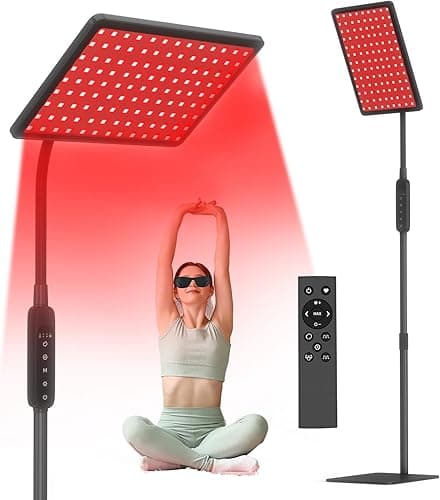
A small face panel is fine for skin work. A full-body panel (or a stand-mounted larger panel) is needed if you want recovery effects on muscle groups.
Build quality
Look for solid LED arrays, decent thermal management, and reviews that mention durability after 6+ months. Panels with good cooling last longer.
Honest marketing
Avoid any panel that claims to cure cancer, regrow lost limbs, or "detox the cellular matrix." These claims are not supported by evidence and they're a red flag for the rest of the company's honesty.
Our picks at three price points
Budget pick — Bestqool 660nm/850nm
The Bestqool panel is the best-selling dual-wavelength panel on Amazon for a reason. Solid LED count, honest spec sheet, real customer-service track record, and it actually delivers the wavelengths it claims. If you're trying photobiomodulation for the first time and don't want to spend a lot, this is the one to buy.
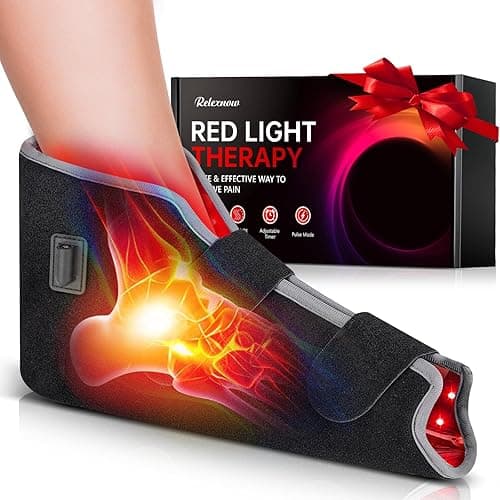
Mid-range pick — Scienlodic panel
The Scienlodic panel has slightly higher build quality and a marginally better LED array. If you're using red light daily and want something that will last, the modest price bump is worth it.
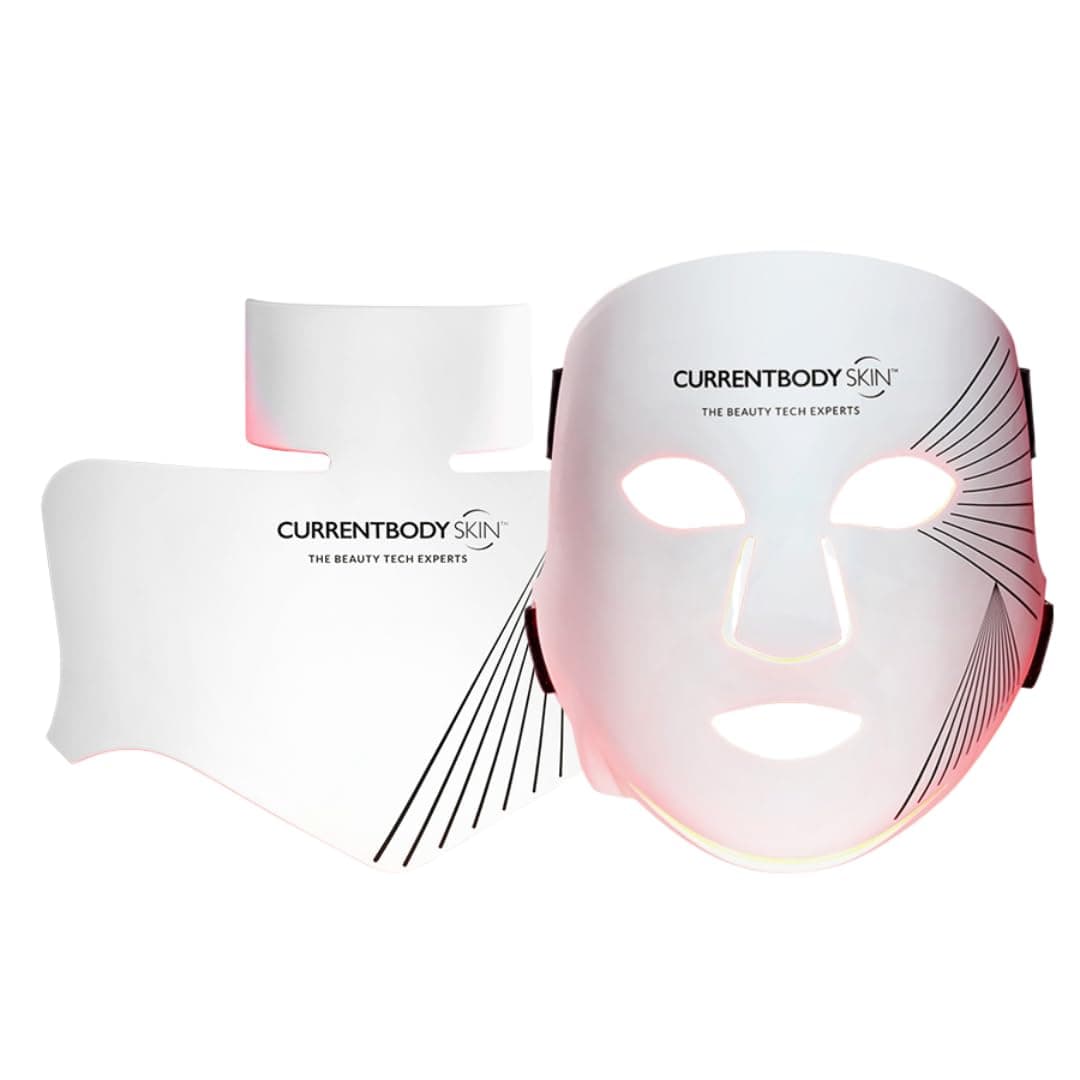
Skin-focused pick — CurrentBody LED Mask
The CurrentBody mask is FDA-cleared for skin work and has the published clinical data to back the claims. This is the option if your goal is specifically skin (anti-aging, acne, rosacea) rather than general recovery.
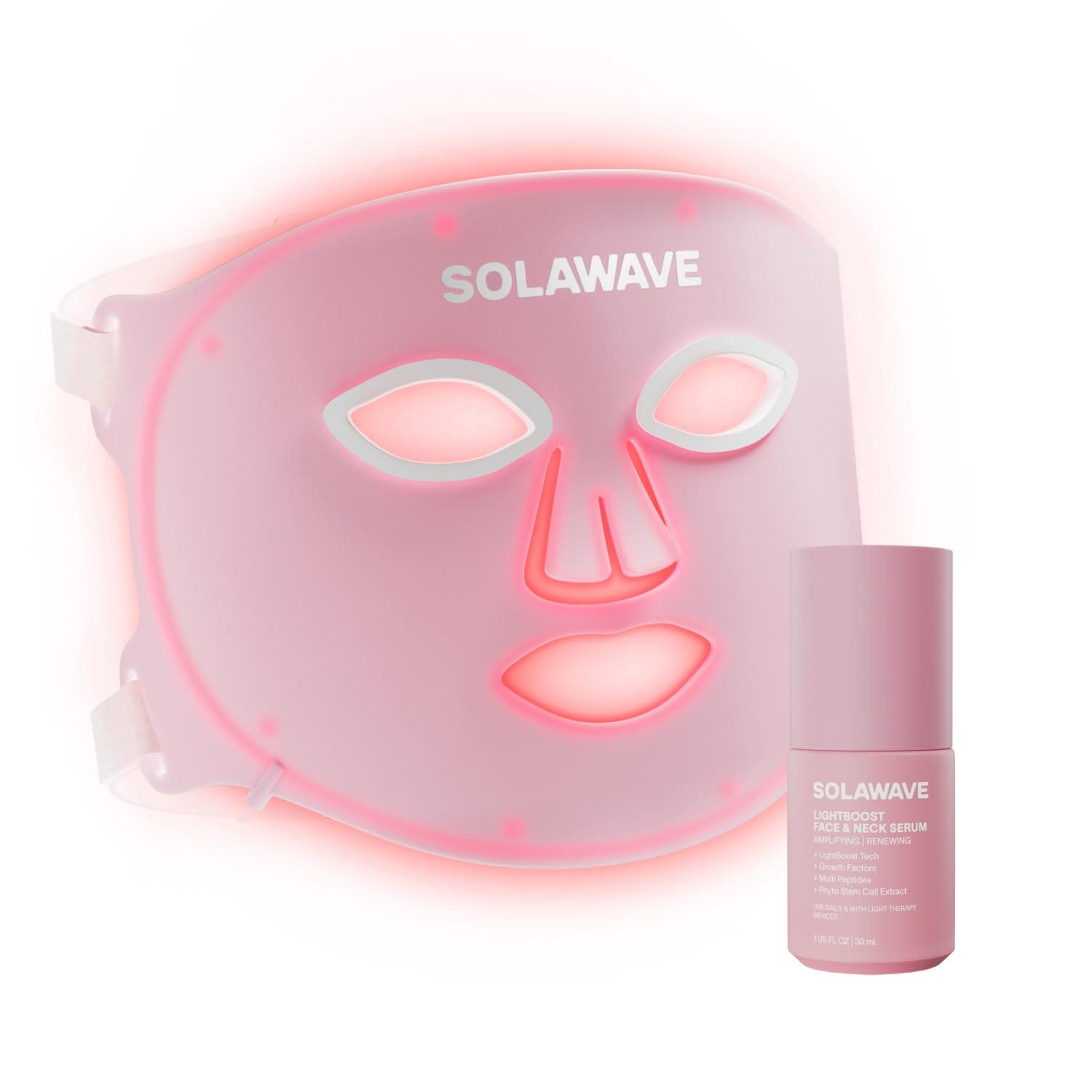
Handheld for skin — Solawave 4-in-1
The Solawave wand is a handheld 4-in-1 device that combines red light with microcurrent toning. Massive social media buzz, mostly positive reviews, and a much lower price than a full mask.
How to actually use a panel
The basics:
- Distance: 6–12 inches from skin for most panels. Closer = stronger dose, but check the manufacturer's recommendation.
- Time: 5–15 minutes per area, daily. More is not always better.
- Eyes: Don't stare into a high-power panel. Either close your eyes during facial use or wear the included goggles.
- Consistency: Like most wellness modalities, the effects build over weeks of consistent use, not single sessions.
When red light is and isn't worth it
It's worth it if:
- You want a low-effort, well-tolerated tool for skin or recovery
- You're patient enough to use it daily for 6–8 weeks before judging the results
- You have a specific endpoint in mind (post-workout soreness, acne, anti-aging)
It's not worth it if:
- You expect dramatic results from one or two sessions
- You're looking for a treatment for a serious medical condition (talk to a clinician)
- You can't commit to daily use — sporadic use produces nothing measurable
The bottom line
Red light therapy is one of the better-supported wellness modalities you can buy as a consumer right now. The strongest evidence is in skin and recovery. The picks above are all credible and the differences come down to use case and budget.
Products mentioned in this post
Bestqool Red Light Therapy Panel (660nm/850nm)
Best-selling dual-wavelength (660nm / 850nm) red-light panel on Amazon.
Scienlodic Red Light Therapy Panel
Budget red-light therapy panel with strong reviews — a solid first panel.
CurrentBody Skin LED Light Therapy Mask
FDA-cleared LED face mask used in clinical anti-aging and skin protocols.
Solawave 4-in-1 Red Light Wand
Handheld 4-in-1 red-light therapy wand built for skincare and microcurrent toning.
Frequently asked
- What's the difference between red light (660nm) and near-infrared (850nm)?
- Red light penetrates more shallowly — best for skin work. Near-infrared penetrates deeper into muscle and joint tissue — best for recovery and pain. Most modern panels include both.
- How long until I'd see results?
- Skin effects (acne, anti-aging) typically need 6–8 weeks of daily use. Recovery effects can be felt within 1–2 weeks. Don't judge any panel on a single session.
- Is cheaper red light worse than expensive red light?
- Not necessarily. The expensive premium brands have better build quality and customer service, but a $150 panel that delivers the right wavelengths at the right intensity will produce the same biological effect as a $1500 one.
- Can I use red light therapy every day?
- Yes — daily use is the protocol most studies use. Avoid the temptation to do longer or more intense sessions; the dose-response curve actually flattens or reverses at very high exposures.
Sources
- [1]Mechanisms and applications of the anti-inflammatory effects of photobiomodulation · AIMS Biophysics · 2017-05-19
- [2]Low-Level Laser (Light) Therapy (LLLT) in Skin: Stimulating, Healing, Restoring · Seminars in Cutaneous Medicine and Surgery · 2013-03-01
Related reading
More from the desk
Category deep-dives
Red Light Therapy Benefits Explained: What the Science Actually Shows
Tiered by evidence strength: what red light therapy is solidly shown to do, what's plausible, and which claims are marketing running ahead of the science.
Buying guides
Best Red Light Therapy Devices of 2026: One Honest Pick Per Use Case
We picked one red light therapy device per use case for 2026 — full-body panel, face mask, handheld, and budget — with prices, Woo-Woo ratings, and no padding.
Buying guides
Red Light Therapy for Skin: An Honest Review of What the Evidence (and Our Catalog) Actually Supports
Skin is where red light therapy's evidence is strongest — but only for some goals. An honest, goal-by-goal guide to masks, wands, and panels for skin.