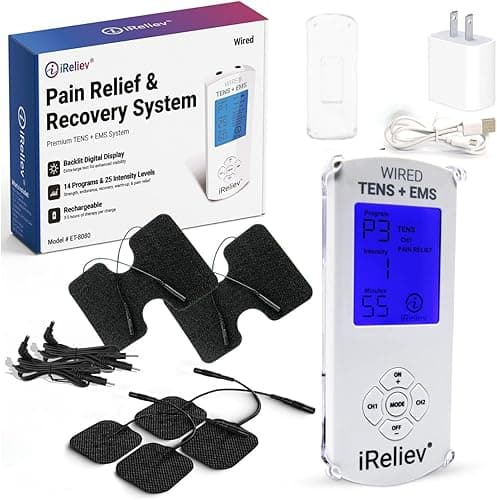
Buying guides
Best TENS Unit for Back Pain 2026: FDA-Cleared Picks From $35 to $200
Four FDA-cleared TENS units ranked for back pain in 2026, from a $35 AUVON to a $200 PowerDot, with an honest take on what the price tiers actually buy you.
Your lower back hurts. You've tried heat, ibuprofen, and stretching. You're now Googling whether one of the dozens of $30–$200 TENS units on Amazon will help, which one to buy, and what the difference is between TENS and EMS. This guide answers those questions in the order you'd actually ask them and skips the chiropractor-blog filler.
The short version: for most people with chronic or recurrent back pain, the AUVON Dual Channel TENS Unit at around $35 is the right answer. If you want a rechargeable combo unit, the Comfytemp TENS EMS Unit at $40 or the iReliev TENS + EMS Combination Unit at $80 are the next steps up. The PowerDot 2.0 Smart TENS/EMS at $200 is for athletes who will actually use the app — it is not five times better than the AUVON for back pain alone. Every pick here rates 1 on our Woo-Woo Meter: mainstream, FDA-cleared, Class II medical hardware with a real evidence base.
Does a TENS unit actually work for back pain?
The honest evidence picture is "yes, modestly, for short-term symptomatic relief." TENS — transcutaneous electrical nerve stimulation — sends a low-voltage current through electrode pads on the skin to stimulate sensory nerves. The dominant mechanism is gate-control theory: the electrical signal effectively crowds the pain signal at the spinal cord's dorsal horn, so less of it reaches the brain. There is also some evidence for endogenous opioid release at certain frequencies. Both mechanisms are reasonably well-understood, which is why TENS sits at Woo-Woo 1 — it is one of the few wellness-device categories where the physiology is uncontroversial.
What's less clean is the clinical literature on chronic back pain specifically. Cochrane reviews on TENS for chronic low back pain have come back mixed for years, with the usual caveats about small trials, blinding difficulties (you can feel a TENS pulse, so placebo controls are hard), and heterogeneous protocols. For acute and short-term pain, the signal is stronger. The pragmatic read: TENS reliably reduces perceived pain during and shortly after a session for most users; whether that translates into durable improvement in chronic conditions is patient-specific.
The other thing to be clear about: TENS does not treat the cause of back pain. It gates the signal. If your back hurts because of weak glutes, a disc issue, or a postural pattern, TENS will mute the symptom while you do the actual work of strength training, mobility, or clinical care. That is a useful thing for a $35 device to do. It is not a substitute for the work.
The FDA clears TENS units as Class II medical devices. That clearance speaks to safety and basic performance, not to efficacy for any specific condition. Any unit you buy from a reputable retailer in the US should carry FDA 510(k) clearance — all four picks in this guide do.
TENS vs EMS: which one do you actually want?
Most shoppers confuse these, and most affiliate guides don't bother clarifying. The distinction matters because the cheaper combo units will let you toggle modes, and you should know which one to pick.
- TENS stimulates sensory nerves. Goal: pain relief. You feel a tingle, vibration, or buzzing. Muscles do not contract meaningfully.
- EMS stimulates motor nerves. Goal: muscle contraction. You see and feel your muscle pulse and tense. EMS is used for post-injury muscle activation, post-workout recovery, and rehab.
For back pain specifically, you want TENS. EMS on the lower back is mostly useful if you're rehabbing a specific injury under guidance, or you're an athlete using it for targeted muscle recovery. A practical rule: if your goal is "make the pain stop," use TENS mode. If your goal is "get the muscle to fire," use EMS mode. Combo units (Comfytemp, iReliev, PowerDot) give you both. The single-mode AUVON is TENS-only and that's fine for most back-pain buyers.
What actually matters when shopping a TENS unit
Ignore the "36 modes!" marketing. Five well-designed programs beat thirty filler ones. The features that actually decide whether a unit is good:
- Dual channel. Two independent output channels means four pads driven independently, so you can cover both sides of the lumbar spine. Single-channel units are a downgrade for back pain.
- Intensity range. Look for at least 0–80 mA in usable steps. Too few steps means you're stuck between "can't feel it" and "uncomfortable."
- Pad quality and replacement cost. Self-adhesive electrode pads are consumables. They lose stickiness after 20–30 uses. Cheap aftermarket pads are widely available — check that the unit uses standard pin or snap connectors, not proprietary ones.
- Power source. AAA batteries (AUVON) mean no charger to lose; rechargeable (Comfytemp, iReliev, PowerDot) means no battery shopping. Pick your tradeoff.
- App vs buttons. App-controlled units (PowerDot) are great when they work and frustrating when the app updates break them. Physical buttons (AUVON, Comfytemp, iReliev) are foolproof.
- FDA 510(k) clearance. All four picks below have it. Skip anything that doesn't.
AUVON Dual Channel TENS Unit — best for most people ($35)
The AUVON Dual Channel TENS Unit is the category's best-seller on Amazon for a reason. Dual channel, FDA-cleared, 20 modes that include the ones you'll actually use (massage, tapping, kneading, acupuncture-style burst), AAA-powered so there's no proprietary charger to misplace. Pricing typically runs around $35 at major retailers.[^amazon-product-listings]
Honest weaknesses: the included pads degrade fast — plan on buying replacement pads as a consumable. The controls are physical-button only, which is fine if you set your protocol once and run it. There is no app, no Bluetooth, no quantified-self data. For a back-pain user who wants to plug it in, run a 20-minute session, and move on, none of that matters. Woo-Woo Meter: 1.
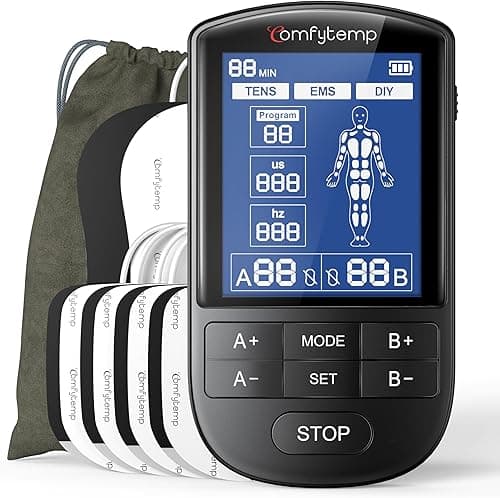
Comfytemp TENS EMS Unit — best budget rechargeable ($40)
The Comfytemp TENS EMS Unit is the rechargeable answer at near-identical price to the AUVON. Twenty-four TENS and EMS modes, dual channel, FDA-cleared, USB-rechargeable. Pricing typically runs around $40.[^amazon-product-listings]
Pick this over the AUVON if you hate AAA batteries and want EMS optionality alongside TENS. The build quality is comparable, the mode library is broadly equivalent, and you're paying $5 for the rechargeable battery plus the EMS mode. The tradeoff: you have one more thing to charge, and when the internal battery eventually dies, the unit is harder to revive than swapping AAAs. Woo-Woo Meter: 1.
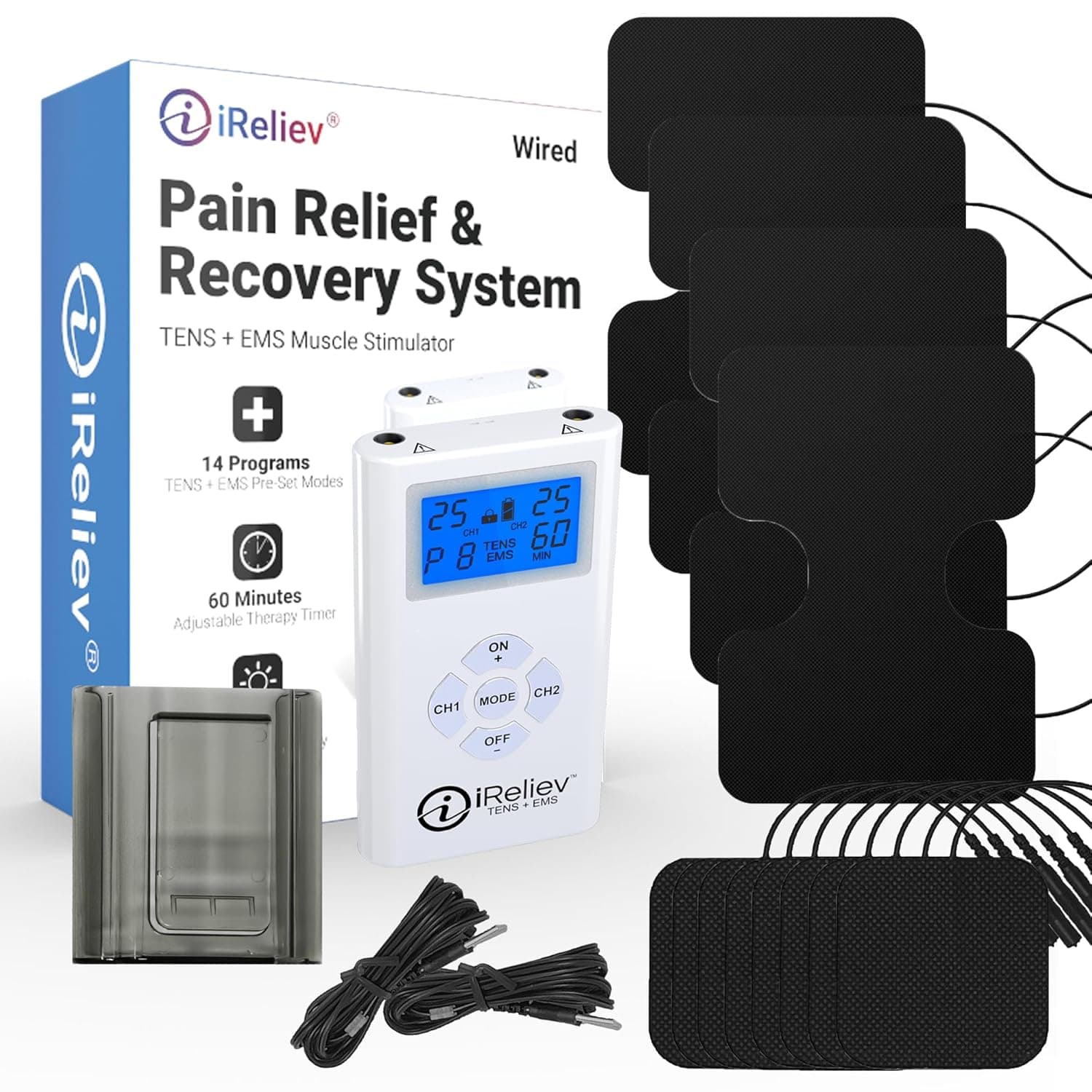
iReliev TENS + EMS Combination Unit — best mid-tier combo ($80)
The iReliev TENS + EMS Combination Unit is the cleanest mid-tier pick. Dedicated TENS and EMS channels with a more clinical feel than the budget tier, dual channel, rechargeable, FDA-cleared. Pricing typically runs around $80.[^amazon-product-listings]
The argument for spending the extra $40–$45 over the budget combo units is build quality, a more usable mode interface, and pad quality. Pick this if you want both genuine pain relief and post-workout muscle activation, or you're rehabbing an injury and want something that doesn't feel like a $35 Amazon device. It is not 2x better than the Comfytemp at pain relief — it's better-built and better-paced for a user who'll keep it for years. Woo-Woo Meter: 1.
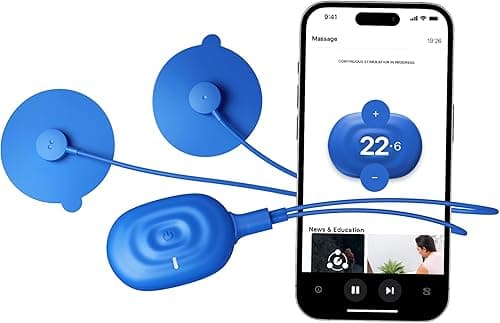
PowerDot 2.0 Smart TENS/EMS — best for athletes and app-driven users ($200)
The PowerDot 2.0 Smart TENS/EMS is wireless app-controlled pods used by college and pro training staffs. Premium hardware, premium app, premium price — around $200 at retail.[^amazon-product-listings]
Here is the honest call: it is not five times better than the AUVON at the basic job of gating back-pain signal. It is much better at three other things: pre-programmed athletic protocols, wireless form factor (no wires from a control unit to the pads), and quantified-self data through the app. If you're a competitive athlete stacking electrical stim on top of training, that justifies the price. If you have chronic back pain and just want it to hurt less for an evening, the AUVON does that for $165 less. Woo-Woo Meter: 1.
Pads, placement, and the boring details that decide whether TENS works for you
A TENS unit only works if the pads are placed correctly and stuck firmly to clean, dry skin. The placement principle for lumbar back pain: pads go around the painful area, not directly on the spine. A common four-pad layout is two pads on either side of the lower spine, vertically, and two more flanking them or placed where pain refers (e.g. upper glute, sacroiliac region). Avoid the spine itself, avoid bony prominences, and never place pads on the front of the neck, broken skin, or anywhere near the heart.
Replace pads every 20–30 uses, or sooner if they lose stickiness. Cheap replacement pads from the same retailer where you bought the unit are fine. Run sessions 20–30 minutes, one to three times per day. Start at low intensity and increase until you feel a strong but comfortable tingle without muscle twitch (for TENS) or a comfortable contraction (for EMS).
Do not use TENS if you have a pacemaker or implanted defibrillator, if you're pregnant (without clinician approval), over broken skin, near the eyes or front of neck, or if you have undiagnosed pain that hasn't been evaluated. If your back pain is new, severe, radiates down a leg with weakness or numbness, or comes with bladder or bowel changes, see a clinician before reaching for the device.
Where TENS belongs in a broader pain plan
TENS is a symptom tool. The most effective pain plans in the catalog stack a symptom tool with a recovery tool with the slower work of strength and mobility. If you're building that stack:
- A percussion massager handles muscle soreness and trigger points that TENS doesn't reach. Our best compact massage gun for travel 2026 guide covers the right pick at each price tier; the Theragun Mini is the universal-default if you're starting from scratch, and the Theragun Prime or Hypervolt 2 Pro are the home-gym picks.
- Compression boots help if leg-day soreness or all-day standing is contributing to lower-back load.
- Red light therapy has a separate, modest evidence base for musculoskeletal pain through photobiomodulation. Our red light therapy buying guide and red light therapy benefits explained cover the category; the Bestqool 660nm/850nm panel is the catalog pick.
None of these replace strength work, mobility, or clinical care for a real injury. They make the in-between days livable.
The honest take
Woo-Woo Meter: 1. TENS is the most evidence-backed category on Wellness Devices. Decades of trials show real, modest, short-term symptomatic relief for most back-pain users — and the mechanism is uncontroversial enough that this is one of the cheapest meaningful interventions on the site.
For most readers, buy the AUVON Dual Channel TENS Unit at $35. If you want rechargeable plus EMS, step up to the Comfytemp at $40 or the iReliev at $80. Buy the PowerDot 2.0 at $200 only if you're an athlete who will use the app and the wireless pods. Don't expect any of them to fix the cause of your pain — they manage the signal while you do the slower work.
Products mentioned in this post
AUVON Dual Channel TENS Unit
Dual-channel TENS unit with 36 modes — FDA-cleared and the category's best-seller.
Comfytemp TENS EMS Unit
Twenty-four-mode rechargeable TENS/EMS unit — well-reviewed, budget-friendly.
iReliev TENS + EMS Combination Unit
Combined TENS and EMS unit for pain relief and muscle stimulation in one rechargeable device.
PowerDot 2.0 Smart TENS/EMS
App-controlled smart TENS/EMS used by athletes for targeted recovery.
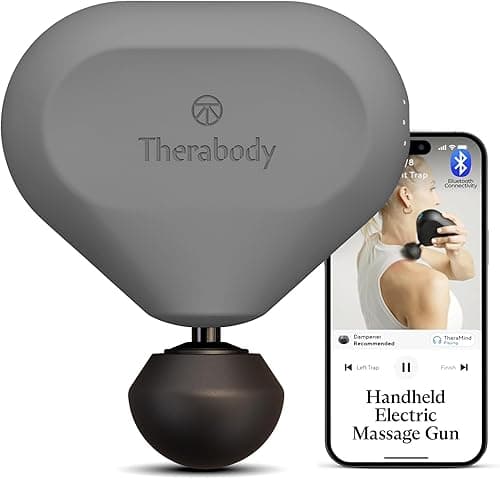
Theragun Mini (2nd Gen)
Pocket-sized percussion massager — Therabody's best-selling on-the-go recovery tool.
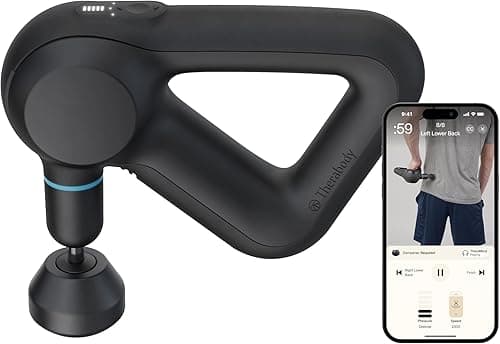
Theragun Prime (5th Gen)
Therabody's mid-range percussion gun — Bluetooth, deep tissue, the best-value Theragun.
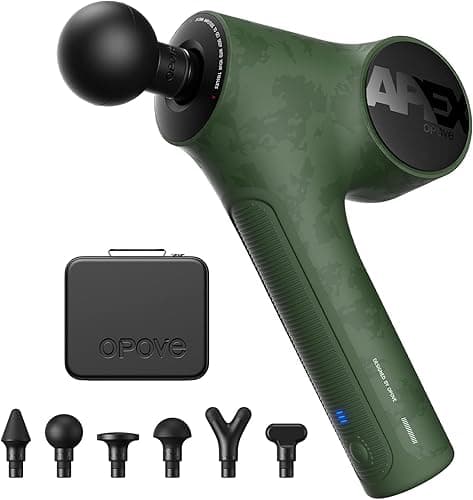
Hypervolt 2 Pro
Hyperice's premium percussion gun with whisper-quiet glide tech and five speeds.
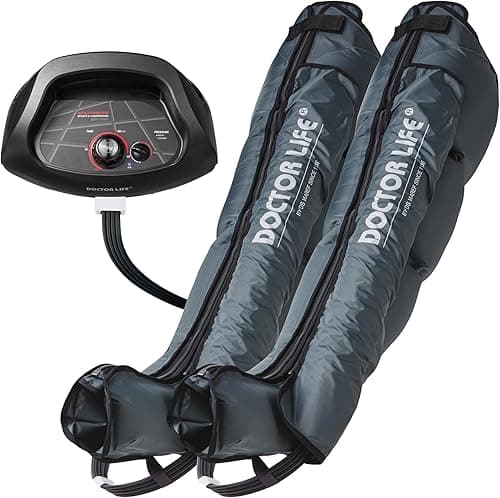
FIT KING Leg Compression Boots
Air-compression recovery boots at a fraction of Normatec's price.
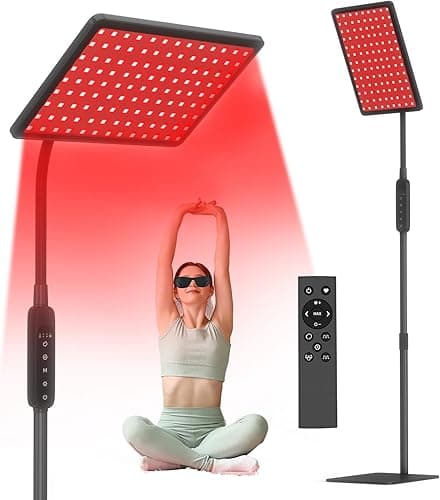
Bestqool Red Light Therapy Panel (660nm/850nm)
Best-selling dual-wavelength (660nm / 850nm) red-light panel on Amazon.
Frequently asked
- Is a TENS unit safe to use every day?
- For most healthy adults, yes. Daily use of TENS at appropriate intensities for 20–30 minute sessions, one to three times per day, is the typical clinical pattern and is considered safe. The exceptions matter: don't use TENS if you have a pacemaker or implanted defibrillator, over broken skin, near the eyes or front of the neck, or during pregnancy without clinician approval. If your skin gets irritated where the pads sit, rotate placement and replace pads sooner.
- Can a TENS unit replace physical therapy for back pain?
- No. TENS gates the pain signal — it doesn't strengthen the muscles, restore mobility, or address the underlying cause. It's a useful symptom tool that lets you function while you do the actual work of strength, mobility, and (if needed) clinical care. A reasonable framing: TENS is the cheapest tool to make today hurt less; physical therapy is the more expensive tool to make next month hurt less.
- How long should a TENS session last for back pain?
- Twenty to thirty minutes is the standard session length, repeated one to three times per day as needed. Longer sessions don't reliably produce more relief and can lead to skin irritation under the pads. If you're new to TENS, start with one 20-minute session at low intensity and increase intensity and frequency gradually over a few days.
- Will a TENS unit help sciatica specifically?
- Sometimes. TENS is most effective for localized musculoskeletal pain, including the lumbar pain that often accompanies sciatica. For radiating nerve pain down the leg, results are more variable — some users get meaningful relief, others see little change. If your sciatica is new, severe, or comes with leg weakness, numbness, or bladder/bowel changes, see a clinician before reaching for a TENS unit.
- Are pricier TENS units actually better at pain relief?
- Not meaningfully. The basic job — gating sensory nerve signal through electrode pads — is well-solved at the $35 tier. What more money buys you is build quality, app control, wireless form factor, pre-programmed athletic protocols, and EMS optionality. The $200 PowerDot is not 5x better than the $35 AUVON at the core back-pain use case. Pay up for ergonomics and ecosystem, not for stronger pain relief.
Sources
- [1]Amazon product listings (current pricing) · Amazon.com · 2026-04-09