Buying guides
Hydrogen Water Bottle vs Tablets: Which One Actually Delivers H₂?
A head-to-head on dissolved H₂ output, cost over 12 months, and real-world tradeoffs. Which hydrogen water format wins depends on how you'll actually use it.
You've read the "is hydrogen water legit?" article — ours or someone else's — and decided the early research is promising enough to try. Now there's one decision left at checkout: spend $80–$200 once on a generator bottle, or keep buying magnesium tablets forever.
This is the question most affiliate listicles quietly avoid, usually because actually answering it requires committing to a dissolved-hydrogen number and a cost curve. We'll commit to both. If you want the prerequisite science first, start with hydrogen water: benefits, risks & what the science actually says — this post assumes you've already decided the category is worth testing.
What each product is actually doing
Two different chemistries, same endpoint in your glass.
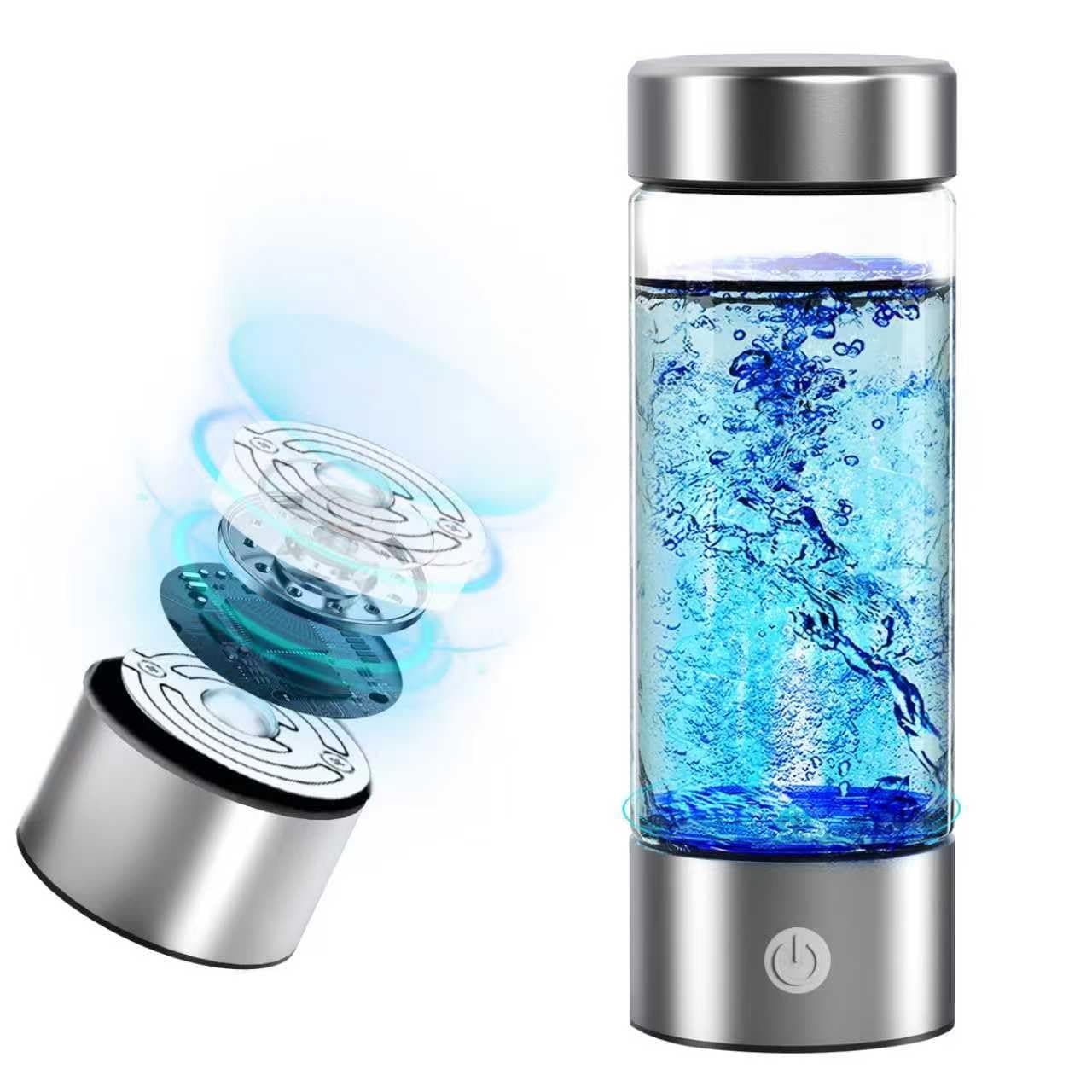
A hydrogen water bottle uses SPE/PEM electrolysis — a solid polymer electrolyte membrane splits water molecules into H₂ and O₂, venting the oxygen and leaving hydrogen dissolved in your drink. Quality devices run a 3–10 minute cycle and output 1–3 mg/L (ppm) dissolved H₂.
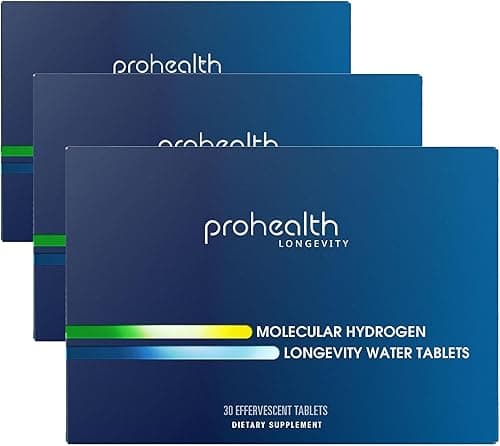
Hydrogen tablets drop elemental magnesium into water. The magnesium reacts with H₂O to produce magnesium hydroxide and hydrogen gas. In a sealed container, a single tablet in roughly 500 mL can briefly saturate at 8–10 mg/L before the gas starts outgassing back to atmosphere.
Two routes. One endpoint: dissolved molecular hydrogen that you drink within minutes before it escapes.
The only spec that matters: dissolved H₂
The landmark Ohta review in Pharmacology & Therapeutics compiled the preclinical and clinical literature on molecular hydrogen as a therapeutic gas. The trial protocols consumers care about generally dosed hydrogen-rich water at 0.5 to 1.6 mg/L. Below that range, you're drinking regular water with a good story.
Here's how the two formats land relative to that benchmark:
- Generator bottle: 1–3 mg/L after a full cycle with a dual-chamber SPE/PEM device. Cleanly above the trial range.
- Tablets: 8–10 mg/L in a freshly sealed container, fresh out of the pack. Also above the range, by a wider margin.
The tablet number looks like a knockout. It isn't. That concentration is the peak sealed reading — the moment the reaction finishes. Hydrogen outgasses fast from water once the container opens, especially when you drink from the rim. By the time you've finished the glass, you've consumed something closer to the bottle's number anyway. Both formats land in the trial-protocol zone if — and only if — you drink the water within a few minutes of preparation. Water that sat on your desk for an hour is just water.
Cost over 12 months
This is the one calculation that actually settles most buying decisions.
A hydrogen water bottle generator runs ~$80–$200 upfront, depending on whether you're buying a budget SPE unit or a higher-output dual-chamber device. After that, cost per drink is effectively zero — electricity and the occasional electrode descaling. Call it $150 upfront, negligible ongoing.
Molecular hydrogen tablets typically land around $0.40–$0.60 per tablet depending on the pack size. At one tablet per day:
- 1 month: ~$15
- 6 months: ~$90
- 12 months: ~$180
- 24 months: ~$360
The break-even is roughly 10 months at daily use. Under that, tablets are cheaper. Over that, the bottle wins and keeps winning. Pricing shifts — we check current Amazon listings rather than citing a fixed number — but the crossover point is stable enough to plan around.
If you're genuinely uncertain whether you'll stick with daily hydrogen water, the cost math favors tablets for the first trial. If you already know you'll use it every morning for a year, the bottle is the right spend.
Taste, travel, and failure modes
The spreadsheet doesn't capture everything.
Tablets are TSA-friendly, need zero infrastructure, and work with whatever tap or filtered water you've got. They fizz aggressively for 30–60 seconds and leave a faintly mineral aftertaste from the magnesium hydroxide byproduct — not unpleasant, but noticeable. The failure mode is running out mid-trip and forgetting to reorder.
Bottles need charging, ideally filtered water (chlorinated tap water can degrade the electrode over time), and a flat surface to run the cycle. They don't travel well through airport security when wet. The failure mode is the battery dying on day 14 of a 30-day test, or the electrode fouling and output silently dropping below the trial range. A quality dual-chamber SPE/PEM bottle should run clean for 12–24 months of daily use; a $30 single-chamber knockoff can start producing ozone and chlorine byproducts within weeks.
One shared failure mode: letting the water sit. The research is on hydrogen-rich water, not on water that was hydrogen-rich twenty minutes ago. Both formats demand a drink-it-now discipline.
Which one matches the trial protocols?
This is where marketing on both sides gets loud. The honest answer: neither format is inherently more clinical than the other. The human RCTs in Ohta's review and the follow-on literature used hydrogen-rich water produced by both magnesium-reaction methods and PEM electrolysis, at broadly similar dosing. The variable that actually mattered in those trials was dose, timing, and consistency — not the generation method.
Which means the "which one works better" question mostly collapses back into "which one will you actually use every day." That's a cost and lifestyle question, not a chemistry question.
Our picks — and who each is for
Both products sit at Woo-Woo 3 on the Woo-Woo Meter — real mechanism, promising early trials, marketing that consistently outruns the science. Neither is snake oil. Neither is proven medicine. Both can plausibly deliver H₂ in the trial-protocol range if you use them correctly.
Daily home user → Hydrogen Water Bottle Generator. Break-even at ~10 months, higher ceiling if you want to run a longer cycle for more ppm headroom, and no recurring order to manage. Get a dual-chamber SPE/PEM model — skip anything that doesn't name the membrane technology in the listing.
Travel, occasional use, or 30-day trial → Molecular Hydrogen Tablets. TSA-friendly, zero maintenance, and the lowest-commitment way to find out whether hydrogen water does anything noticeable for your energy or recovery. If you're still using them daily six months in, that's your cue to switch to a bottle.
Skeptic doing a structured test → tablets, for one month. Then reassess honestly. No subjective improvement at 30 days of consistent use is a real signal, and you've only spent ~$15 to learn it. That's the cheapest way to clear the category off your list.
The honest take
Both formats clear the trial-protocol bar on dissolved H₂. Tablets read higher on peak ppm but lose it in the glass; bottles read lower but stay in range through normal drinking. The choice is cost curve and lifestyle, not efficacy.
If hydrogen water is going into your daily routine for a year or more, buy the bottle. If you're traveling often, testing the category for the first time, or simply not sure you'll stick with it, buy tablets. Either way: drink it within minutes, don't believe the anti-aging marketing, and remember that the underlying evidence is still early enough that a well-built bottle and a pack of tablets are both honest Woo-Woo 3 bets — not proven medicine.
Products mentioned in this post
Frequently asked
- Does hydrogen water actually work?
- The mechanism is real — molecular hydrogen acts as a selective antioxidant and has a well-characterized pathway. The human evidence is early but consistent for oxidative stress markers and exercise recovery, mostly from small RCTs. Anti-aging, cancer, and detox claims have no meaningful human data behind them. It's a Woo-Woo 3 category: honest middle ground, real mechanism, big hype gap.
- How much hydrogen water should I drink per day?
- Most published trials use 500–1500 mL per day — roughly 1–3 glasses. No evidence suggests mega-dosing improves outcomes. One tablet in ~500 mL, or one full cycle on a generator bottle once or twice daily, matches the protocols used in research.
- Does the hydrogen escape if I let the water sit?
- Yes, quickly. Dissolved H₂ outgasses to atmosphere within minutes of opening the container, and even faster when you drink from the rim. The research is on hydrogen-rich water consumed promptly — not on water that's been sitting on your desk for an hour. Both bottles and tablets demand a drink-it-now discipline.
- Can I use tap water in a hydrogen generator bottle?
- Filtered or spring water is better. Chlorinated tap water accelerates electrode fouling in SPE/PEM bottles and can produce trace chlorine byproducts in single-chamber designs. Most manufacturers specify filtered or purified water for longevity. Tablets tolerate tap water fine because the reaction is chemical rather than electrolytic.
- Are hydrogen tablets stronger than a bottle?
- Peak sealed concentration, yes — tablets typically hit 8–10 mg/L at the moment the reaction finishes, versus 1–3 mg/L for bottles. But that peak outgasses fast once the container opens. In practice, by the time you've finished drinking, both formats deliver hydrogen in roughly the trial-protocol range (0.5–1.6 mg/L). Neither is inherently more clinical than the other.
Sources
- [1]Molecular hydrogen as a preventive and therapeutic medical gas: initiation, development and potential of hydrogen medicine · Pharmacology & Therapeutics · 2014-04-21
- [2]Amazon product listings (current pricing) · Amazon.com · 2026-04-09
Related reading
More from the desk

Buying guides
Pulsetto vs Truvaga: which vagus nerve stimulator actually delivers in 2026 (honest comparison)
Pulsetto and Truvaga both cost $250–$270 and target the same vagus nerve. Here's the honest head-to-head — app vs. clinical lineage, who should buy which.
Buying guides
Best Cold Plunge for Small Spaces (2026): Apartment-Friendly Picks That Actually Fit
The best cold plunge for small spaces in 2026: footprint-first picks for renters and apartment dwellers, plus when to skip the plunge entirely.
Buying guides
Best Red Light Therapy Devices of 2026: One Honest Pick Per Use Case
We picked one red light therapy device per use case for 2026 — full-body panel, face mask, handheld, and budget — with prices, Woo-Woo ratings, and no padding.