Category deep-dives
Hydrogen Water: Benefits, Risks & What the Science Actually Says
Hydrogen water is everywhere. We dug into 200+ studies, rated it on our Woo-Woo Meter, and broke down what's real, what's hype, and who should try it.
What hydrogen water is (and what it isn't)
Hydrogen water is regular water with dissolved molecular hydrogen gas (H₂). Most consumer devices use electrolysis — running an electrical current through water to split H₂O and infuse extra H₂ into the liquid. You drink it. That's the whole product.
The metric that matters is PPM (parts per million) — how much dissolved hydrogen actually ends up in your glass. Most consumer bottles produce 1–3 PPM. Hydrogen tablets dissolved in a sealed container can hit 4–8 PPM. Below 0.5 PPM, you're drinking expensive water.
One important distinction: hydrogen water is not alkaline water. Alkaline water has a higher pH. Hydrogen water has dissolved H₂ gas. Different chemistry, different proposed mechanisms, despite constant marketing conflation. If a product uses "alkaline hydrogen water" as a selling point, that's a red flag — it suggests the brand doesn't understand (or doesn't care about) the distinction.
What 200+ studies actually show
The anchor paper in this space is Ohta's 2014 review in Pharmacology & Therapeutics, which compiled preclinical and early clinical evidence for molecular hydrogen as a therapeutic gas. The review documented a plausible biological mechanism: H₂ acts as a selective antioxidant, scavenging hydroxyl radicals (the most cytotoxic reactive oxygen species) without disrupting beneficial signaling molecules like nitric oxide or hydrogen peroxide.
That mechanism is real. It's been demonstrated in vitro and in animal models repeatedly. The question is whether drinking hydrogen water delivers enough H₂ to produce meaningful effects in a living human body.
The human evidence breaks into tiers:
Antioxidant and oxidative stress markers — the strongest human data. Multiple small RCTs (typically n=20–50) show reductions in oxidative stress biomarkers after weeks of hydrogen water consumption. The effect sizes are modest but consistent across studies.
Exercise recovery and inflammation — preliminary positive signals. A handful of studies in athletes show reduced lactate accumulation and faster perceived recovery. The studies are small, most come from the same Japanese and Korean research groups, and replication by independent labs is limited.
Metabolic markers — a few studies show improvements in cholesterol profiles and insulin sensitivity in metabolic syndrome patients. Interesting but very early.
Skin health, gut health, cognitive function — case reports and pilot studies. Not enough data to draw conclusions.
The claims vs. the evidence
Here's where the marketing runs ahead of the science. This is what companies claim versus what the research actually supports:
- Antioxidant support — Moderate evidence. The selective antioxidant mechanism is real and replicated. The human delivery question remains open.
- Exercise recovery — Preliminary positive. Small studies, limited replication, plausible mechanism.
- Anti-aging — No direct evidence. Antioxidant effects don't automatically translate to anti-aging outcomes. That leap requires decades of longitudinal data that don't exist.
- Cancer prevention — No human evidence. Some preclinical cell studies exist. Marketing this claim to consumers is irresponsible.
- Detox — No evidence. "Detox" is a red flag in any product category. Your liver and kidneys handle detoxification. Hydrogen water doesn't change that.
- Weight loss — No meaningful evidence. A couple of metabolic studies show marginal marker improvements, not weight loss.
- Gut health — Very early, inconclusive. Not enough data to say anything useful.
Hydrogen water bottle vs. hydrogen tablets
Two ways to get H₂ into your water. They're genuinely different products with different tradeoffs.
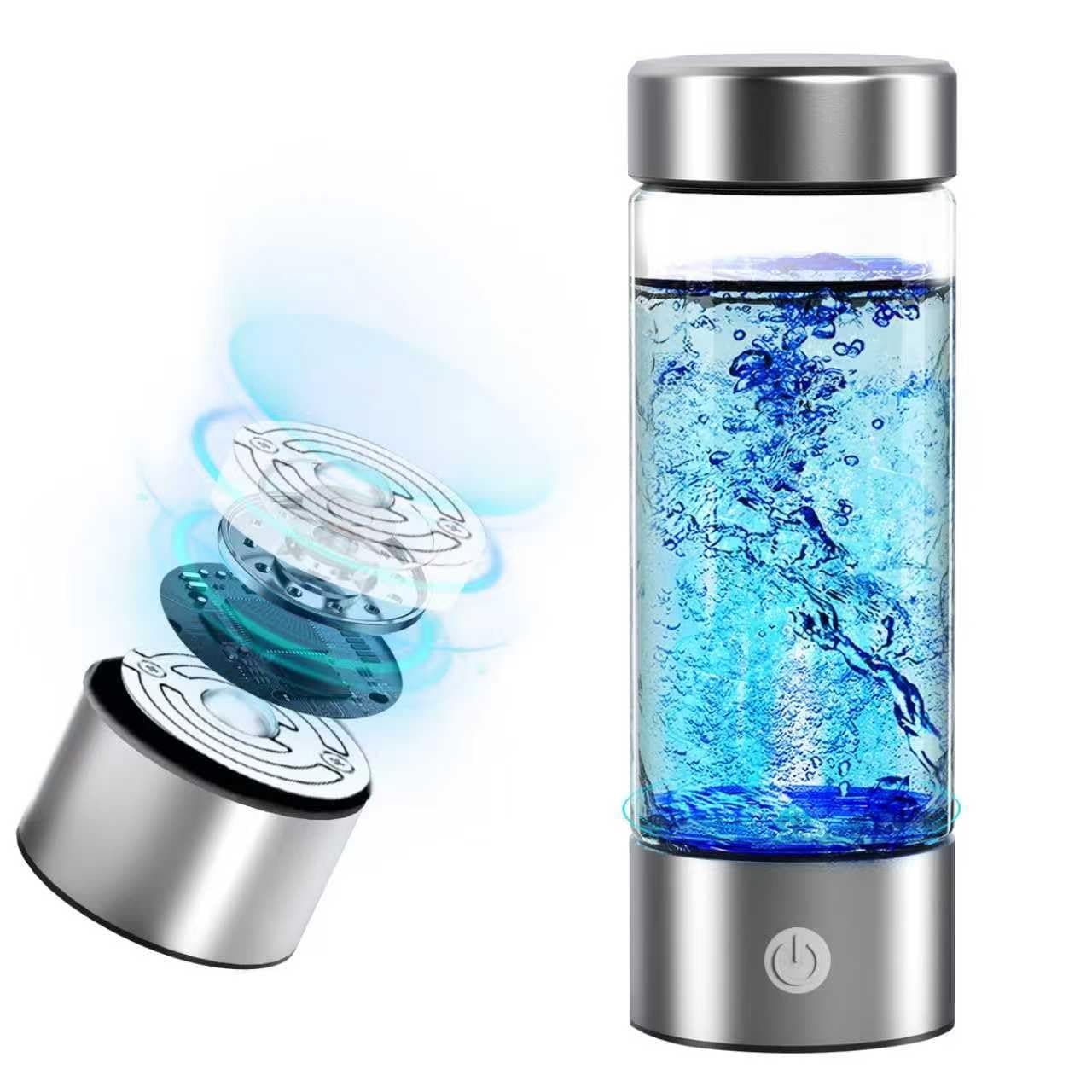
Hydrogen water bottles are electrolysis devices. Fill with water, press a button, wait 3–5 minutes, drink. Typical output: 1–3 PPM. Upfront cost: $50–200. You need to charge them, clean the electrodes periodically, and replace the device every 1–2 years depending on build quality. The hydrogen water bottle generator is a representative example of the category.
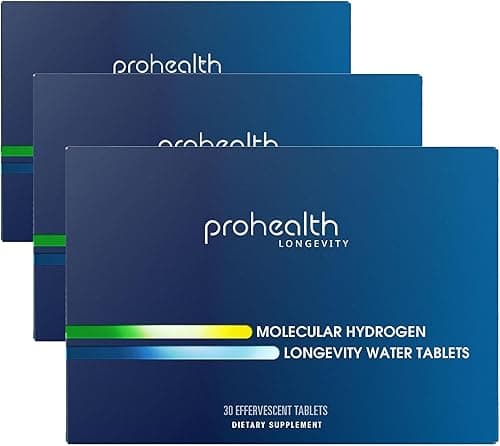
Hydrogen tablets are magnesium-based effervescent tablets you drop into a sealed container. They often achieve higher H₂ concentrations (4–8 PPM) because the chemical reaction is more aggressive than electrolysis. Per-dose cost is higher over time, but there's no device to maintain. Good for travel or testing whether hydrogen water does anything for you before committing to a device. The molecular hydrogen tablets are the most widely available option.
If you're experimenting, start with tablets. Lower commitment, higher concentration, faster answer to "does this do anything for me?"
What to look for in a hydrogen water bottle
If you decide to buy a device, these specs matter:
PPM output — minimum 1.0 PPM, independently tested. If the brand doesn't publish third-party PPM test results, skip it.
SPE/PEM dual-chamber technology — this is the real safety feature. Single-chamber electrolysis can produce ozone (O₃) and chlorine gas as byproducts dissolved in the water. Dual-chamber designs with a solid polymer electrolyte (SPE) membrane and proton exchange membrane (PEM) separate hydrogen from those byproducts. Don't buy a device without this.
Electrode material — platinum-coated titanium is the standard for quality devices. Cheap alloys corrode and contaminate the water.
Red flags — devices claiming 3+ PPM without dual-chamber tech (physically implausible), "alkaline hydrogen" marketing, no published PPM testing, health claims about specific diseases.
Safety and side effects
The good news: molecular hydrogen has FDA GRAS (Generally Recognized as Safe) status. No serious side effects have been documented at normal consumption levels in any published trial. You're drinking water with dissolved gas. The gas itself is inert at the concentrations involved.
The real safety concern isn't the hydrogen — it's cheap devices. Single-chamber electrolysis without SPE/PEM membranes can dissolve ozone and chlorine into your water. You won't taste them at low concentrations, but chronic exposure isn't something you want. Buy a device with dual-chamber technology or don't buy one at all.
One more thing: more is not better. No evidence suggests that drinking massive quantities of hydrogen water improves outcomes beyond normal consumption. Two to three glasses per day is the range most studies use.
The Woo-Woo Meter verdict: 3 out of 5
We rate hydrogen water 3/5 on the Woo-Woo Meter.
Here's why it lands in the middle. The chemistry is real — molecular hydrogen is a selective antioxidant with a well-characterized mechanism. The clinical studies exist — over 200 publications, including human RCTs. The antioxidant and exercise recovery signals are consistent if modest.
But the marketing ecosystem has dramatically outrun the evidence. Study sizes are small (mostly n=20–50). Many come from a concentrated group of labs. The anti-aging, cancer, and detox claims have no meaningful human evidence behind them. And the consumer device market is full of cheap products making claims their hardware can't support.
Not snake oil. Not proven medicine. Honest middle ground — real mechanism, early evidence, enormous hype gap.
Should you buy one?
It makes sense if you've already nailed sleep, nutrition, and exercise, and you're deep enough in the recovery-optimization stack that you're looking for marginal-gain experiments. You understand you're buying into early-stage evidence. You'll use it consistently for at least 4–6 weeks before judging.
Skip it if you're expecting a health transformation, you're on a tight wellness budget (a better mattress or gym membership will do more for you), or you're drawn in by anti-aging or detox marketing.
If you do try it, start with hydrogen tablets to test the waters — literally — before investing in a bottle generator. Give it six weeks of daily use. If you notice a difference in recovery or energy, the device investment makes sense. If you don't, you've spent $30 on tablets instead of $150 on a gadget.
That's the honest framework for a category at 3 on the Woo-Woo Meter. The science is real enough to be interesting. The marketing is aggressive enough to require skepticism. And the best use of your money is almost certainly something more boring — but if the boring stuff is handled and you want to experiment, hydrogen water is a reasonable bet.
Products mentioned in this post
Frequently asked
- Is hydrogen water safe to drink every day?
- Yes. Molecular hydrogen has FDA GRAS status, and no serious side effects have been documented in published trials at normal consumption levels. The safety concern is device quality — make sure your bottle uses SPE/PEM dual-chamber technology to avoid ozone and chlorine byproducts.
- How much hydrogen water should I drink per day?
- Most published studies use 1–3 glasses (500–1500 mL) per day. No evidence suggests mega-dosing improves outcomes. Two to three glasses daily is a reasonable upper bound based on the existing research.
- Is hydrogen water the same as alkaline water?
- No. Alkaline water has a higher pH. Hydrogen water has dissolved molecular hydrogen gas (H₂). Different chemistry, different proposed mechanisms. Products marketed as 'alkaline hydrogen water' are conflating two separate things.
- Do hydrogen water bottles actually work?
- Quality bottles with SPE/PEM technology do produce measurable dissolved hydrogen at 1–3 PPM. Whether that concentration produces meaningful health effects is the open question — the antioxidant mechanism is real, but human evidence is still early-stage.
- Are hydrogen tablets better than a hydrogen water bottle?
- Tablets typically achieve higher H₂ concentrations (4–8 PPM vs 1–3 PPM for most bottles) and cost less upfront. Bottles are more convenient for daily use. If you're testing whether hydrogen water works for you, tablets are the lower-risk starting point.
Sources
- [1]Molecular hydrogen as a preventive and therapeutic medical gas: initiation, development and potential of hydrogen medicine · Pharmacology & Therapeutics · 2014-04-21
- [2]Amazon product listings (current pricing) · Amazon.com · 2026-04-09
Related reading
More from the desk
Buying guides
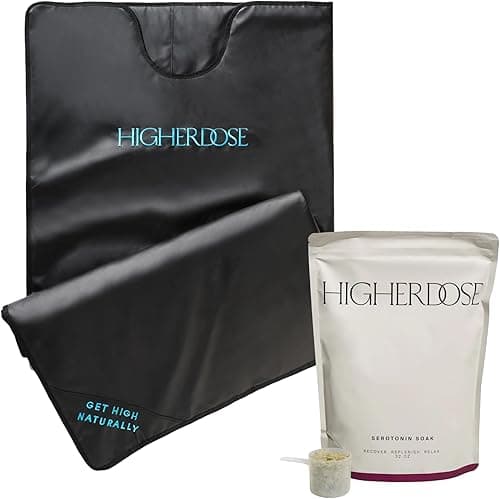
Best infrared sauna blanket 2026: how to pick one (and when to buy a tent instead)
Best infrared sauna blanket in 2026 — HigherDOSE V4 vs LifePro vs the $150 generic, plus the compliance math nobody else does and when to buy a tent instead.
Buying guides
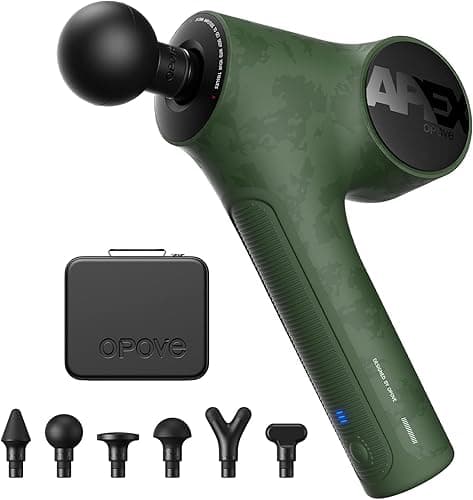
Theragun vs Hypervolt: which percussion massager is actually worth it in 2026
Theragun vs Hypervolt in 2026 — stall force, noise, ergonomics, and the compliance math nobody else does. Plus a $50 alternative that fits 80% of buyers.
Buying guides
WHOOP 4.0 vs Oura Ring Gen 4: which recovery wearable is actually worth it in 2026
Honest WHOOP vs Oura comparison for 2026 — 3-year subscription math, HRV and sleep accuracy, strain vs readiness, and which one fits your actual use case.