biometric
Sleep Latency
The time it takes you to fall asleep after going to bed. Most healthy adults fall asleep in 10–20 minutes.
Sleep latency is the time between when you decide to sleep (head on pillow, lights out, intent to sleep) and when you actually fall asleep — measured in minutes.
Healthy adults typically fall asleep in 10–20 minutes. Falling asleep in under 5 minutes consistently suggests you're sleep-deprived. Taking longer than 30 minutes consistently suggests sleep-onset insomnia or a circadian misalignment.
Most modern sleep tracking devices estimate sleep latency from movement and heart rate signals. The accuracy varies — devices generally over-estimate sleep latency vs. clinical polysomnography because they don't always catch the moment of sleep onset.
Sleep latency is one of the most actionable sleep metrics: if it's consistently long, the interventions are well-known (consistent bedtime, dark room, no screens before bed, no caffeine after noon, cool room).
Products that use this
Related products
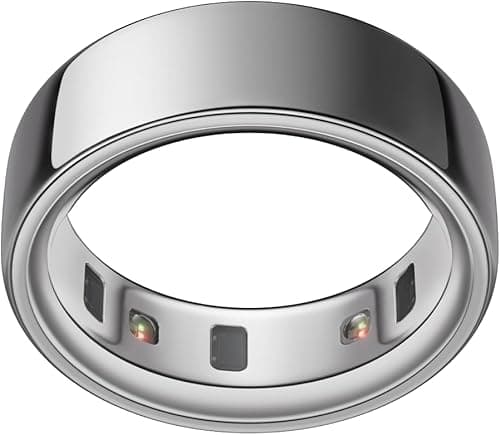
Oura Ring Gen 4 - Heritage
Premium smart ring for sleep, HRV, and daily readiness — no subscription needed for the basics.
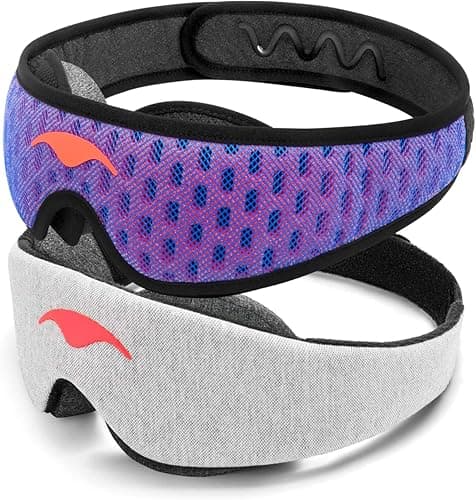
Manta Sleep Mask Pro
Premium contoured sleep mask with zero pressure on your eyes — a top-rated travel pick.
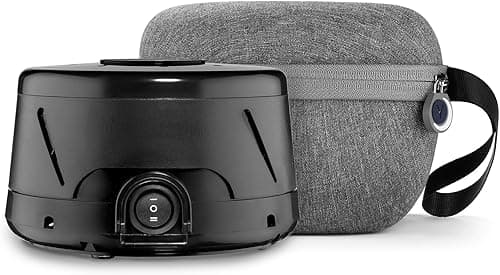
Yogasleep Dohm Classic White Noise
The original mechanical white-noise machine — fan-driven, simple, indestructible.