Comparison
Apollo Neuro vs Sensate 2
Two wearables marketed at stress, anxiety, and the nervous system — but they work in completely different ways. Here's which one fits which problem.
Both of these devices are sold to the same buyer: the person whose nervous system is fried and who has tried meditation apps and decided they need hardware. They're priced similarly, marketed similarly, and both have the kind of clinical-adjacent language that makes you want to believe.
Under the hood, they couldn't be more different.
Side by side
The full spec sheet
| Spec | 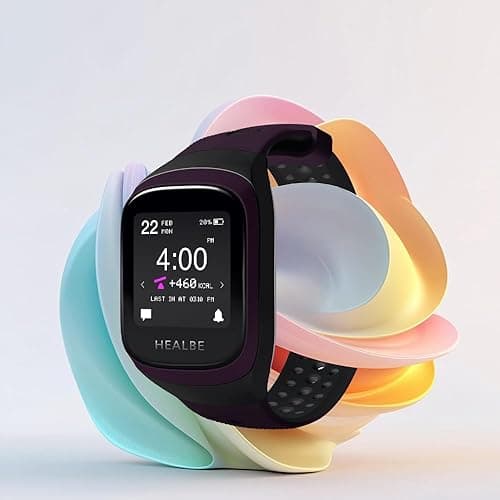 Apollo Apollo Neuro Wearable $350 | 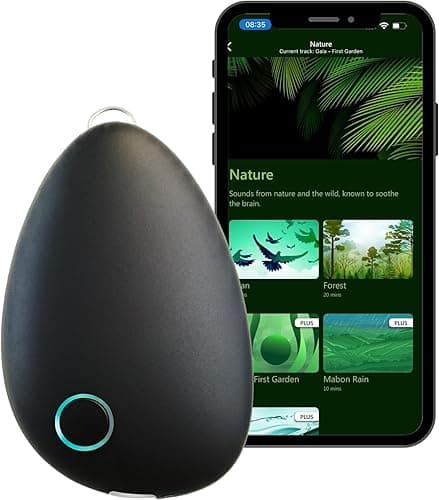 Sensate Sensate 2 Relaxation Device $260 |
|---|---|---|
| Woo-Woo Meter | ||
| Form factor | Wrist/ankle wearable | Chest stone + app |
| Price | $350 | $260 |
| Modality | Tactile vibration | Infrasonic chest vibration |
| Use pattern | Background, all-day | 10-min sessions |
| Battery life | ~6 hrs per charge | ~10 hrs per charge |
| App required | Yes | Yes |
| Subscription | No (extra modes optional) | No |
Our take
Pick the one that fits.
Verdict
Pick Apollo Neuro if…
You want stress and sleep support that runs in the background while you live your life. You prefer 'always on' to 'sit and practice'.
Verdict
Pick Sensate 2 if…
You want a daily 10-minute practice with deeper, more focused effect per session. You're willing to lie down for it.
How each one actually works
Apollo Neuro delivers low-frequency vibrations via a wearable strap (wrist or ankle). The vibrations are tuned to specific patterns the company says reset autonomic nervous system state — calmer for sleep, more alert for focus, etc. It's worn like a watch and runs in the background while you do other things.
Sensate 2 is a stone-shaped device you place on your sternum while you lie down. It produces infrasonic vibration that travels through your chest cavity, paired with an app guiding a 10-minute relaxation session. It's a focused, eyes-closed practice — not a wearable.
That's the entire difference. Apollo is "wear it and live your life." Sensate is "stop, lie down, do a session."
The evidence
Apollo has run small clinical pilots and published mixed results — there's a real signal but the studies are small and mostly company-sponsored. Sensate has fewer published studies but a fairly compelling mechanism (vagus nerve via thoracic vibration is plausible from first principles).
Honest take: neither has the kind of evidence base we'd give a 1 on the Woo-Woo Meter. Both are 2–3. They're worth trying if you've already tried the basics and want hardware help.
What each one is best at
Apollo — passive, all-day, integrates into normal life, multiple modes for different situations. Best for people who can't or won't sit still for a session.
Sensate — focused, intentional, deeper effect per session, built around the 10-minute practice format. Best for people who want a daily ritual and a clear "this is what I'm doing right now."
Frequently asked
- Can I use both?
- Yes — they don't conflict. Some users wear Apollo all day and add a Sensate session before bed.
- Are these FDA approved?
- Neither is approved as a treatment for anxiety, depression, or any specific medical condition. Both are sold as wellness devices, not medical devices. Treat them accordingly.
Sources
- [1]Critical Review of Transcutaneous Vagus Nerve Stimulation: Challenges for Translation to Clinical Practice · Frontiers in Neuroscience · 2020-04-28